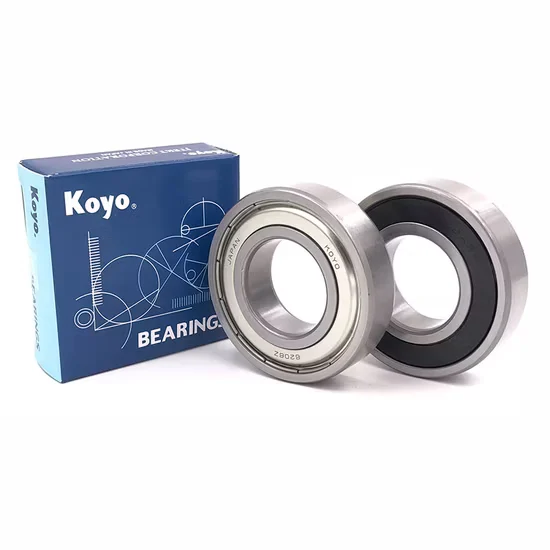
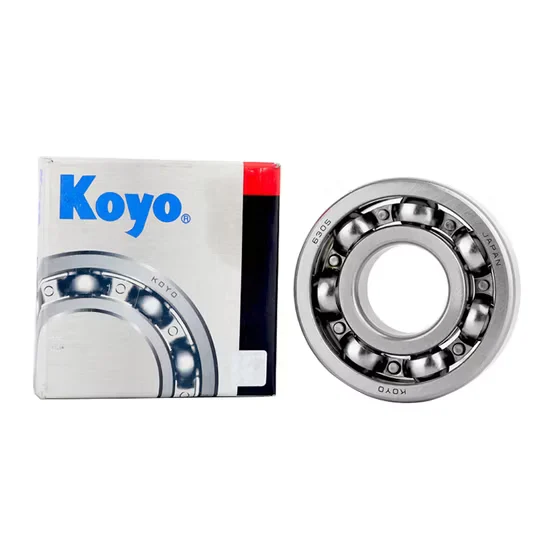
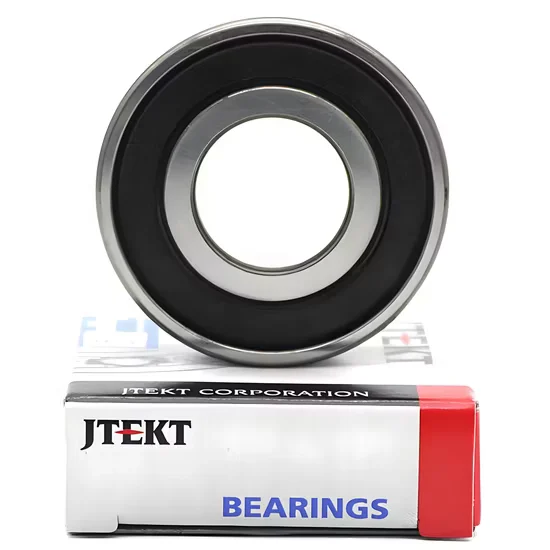
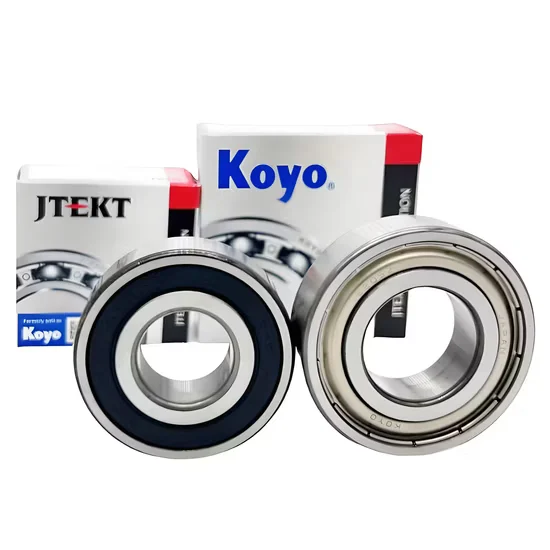
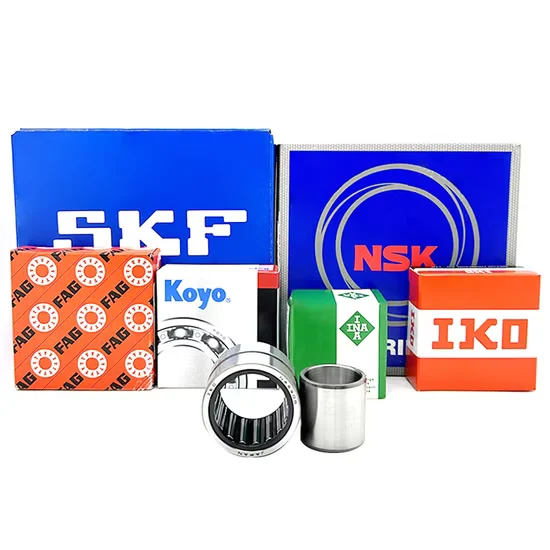
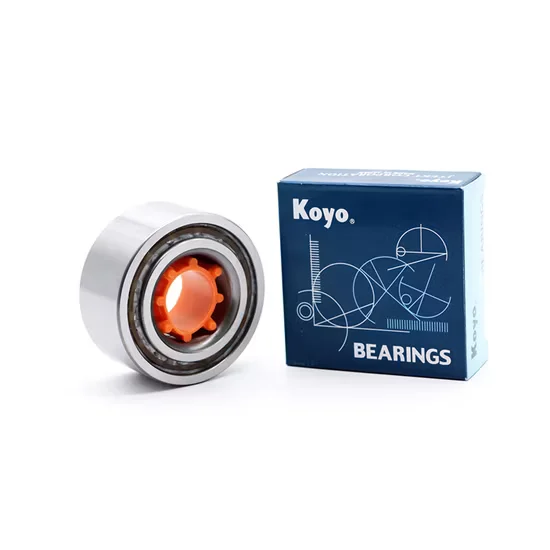
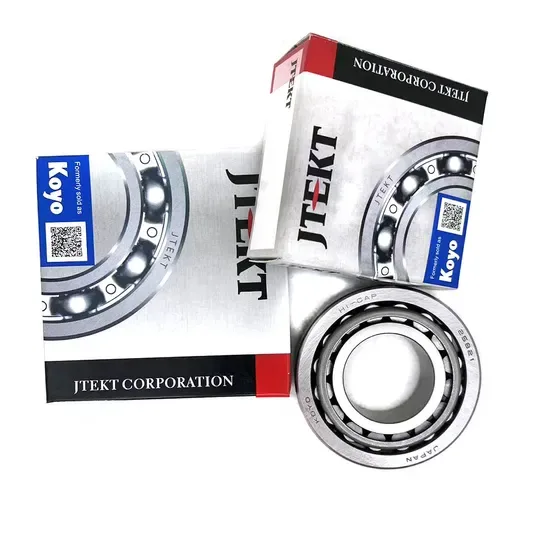
Traceable KOYO 6208 batches — Every shipment includes original manufacturer lot numbers to verify authentic Japanese production origins.
Technical Specifications
| Parameter | Value |
| Designation | KOYO 6208 |
| Bearing Type | Deep Groove Ball Bearing |
| Bore Diameter (d) | 40 mm |
| Outside Diameter (D) | 80 mm |
| Width (B) | 18 mm |
| Seal or Shield Type | Zz, 2RS, Open |
| Clearance Class | C0, C2, C3 |
| Precision Class | P0, P6, P5, P4 |
| Vibration Level | Z1V1, Z2V2, Z3V3 |
| Material | Bearing Steel |
| Contact Angle | 0° |
| Origin | Japan |
Application Suitability
| Industry | Typical Applications |
| Automotive | Alternator pulleys, transmission shafts, steering column supports |
| Industrial Machinery | Electric motor rotors, pump impeller shafts, conveyor drive rollers |
Why Standard Clearance Fails in High-Temperature Automotive Assemblies
Thermal expansion demands precise internal clearance selection to prevent catastrophic seizure.
During my years handling automotive aftermarket replacements, I witnessed alternators fail prematurely because installers ignored thermal dynamics. A standard clearance setup in a high-heat engine bay environment causes the internal components to expand and bind. Selecting the correct KOYO 6208 deep groove ball bearing with appropriate thermal allowance prevents this exact failure mode. When the inner ring heats up faster than the outer housing, the operational gap shrinks rapidly. Without adequate initial clearance, the rolling elements experience extreme preload, leading to excessive friction and eventual weld-seizure. Understanding these thermal gradients is essential for specifying the right component for under-hood assemblies.

Matching Radial Load Demands for the KOYO 6208 deep groove ball bearing
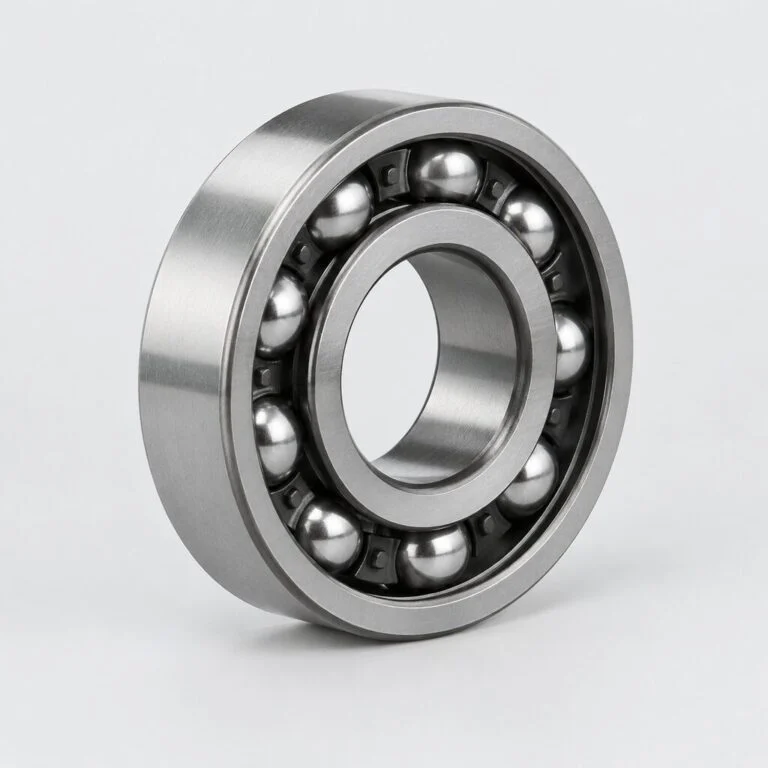
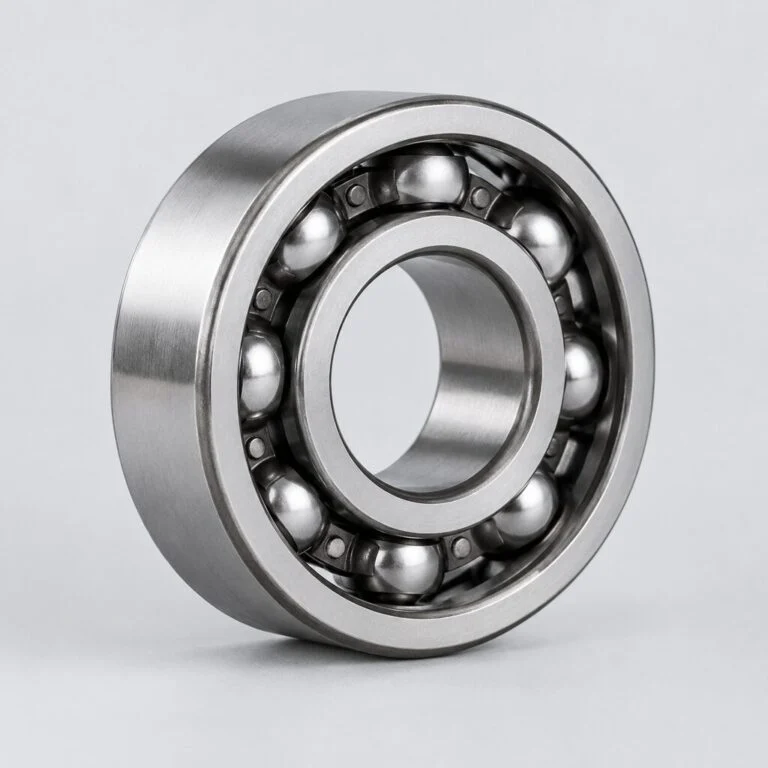
Automotive components subject to continuous radial forces require reliable load distribution across the raceway. Deep groove geometry allows the raceways to support substantial radial weights without compromising the structural integrity of the rings. Our engineering team provides cross-reference consultation to ensure this specific configuration aligns perfectly with your original equipment manufacturer specifications. By analyzing the exact load profile of your transmission shafts or pulley systems, we help you avoid undersized selections that lead to accelerated fatigue and spalling on the contact surfaces.
Navigating Heat, Contamination, and Lubrication Limits
Engine compartments generate intense heat, directly impacting lubricant viscosity and internal operating gaps. Choosing between open, shielded, or sealed configurations dictates how well the assembly resists dust and moisture ingress without generating excess friction. Proper grease selection must account for these elevated temperatures to maintain film thickness and prevent metal-to-metal contact. Furthermore, vibration levels must be matched to the specific rotational speeds of the alternator or pump shaft. If the environment involves heavy particulate exposure, sealed variants prevent abrasive dust from entering the rolling zone, thereby preserving the surface finish and extending the operational lifespan significantly.
Decoding Clearance and Precision for Optimal Fit
Internal clearance dictates how the rolling elements behave once the assembly reaches operating temperature. A C0 clearance suits standard ambient conditions, while C3 provides the necessary extra space for thermal expansion in hot engine bays. Precision classes ranging from P0 to P4 determine the rotational accuracy and noise output, which is critical for high-speed electric motors. Shielded variants protect against particulate contamination without the friction penalty of contact seals, making them ideal for high-RPM applications. Vibration grading ensures smooth operation, reducing acoustic noise in cabin-adjacent components. Selecting the appropriate combination of these parameters ensures the assembly performs reliably under its specific operational constraints without generating excess heat or vibration.
The Financial Impact of Incorrect Clearance Selection
Specifying the wrong internal gap leads to excessive preload once the metal expands, resulting in unplanned downtime and catastrophic damage to the surrounding housing. Premature failure often manifests as severe raceway smearing, cage disintegration, or complete shaft lockup. According to failure analysis frameworks, thermal seizure represents a significant share of warranty voidance claims in automotive replacements. Avoiding these hidden costs requires strict adherence to thermal and load parameters during the initial selection phase. Replacing a seized component often involves discarding the entire alternator or pump assembly, multiplying the financial impact far beyond the cost of the initial part.
Securing Authentic Components with Verified Traceability
Sourcing genuine Japanese bearings requires more than just finding a competitive price; it demands verifiable supply chain integrity. We maintain massive spot inventory covering all clearance and sealing variants, eliminating typical multi-week lead times for urgent maintenance. Every unit ships with complete traceability documentation to prove its authentic origin, protecting your assembly from counterfeit risks that plague the automotive aftermarket. Our technical support team assists with cross-brand equivalent model consultation if you need to substitute an obsolete part number. Flexible order quantities allow you to procure single emergency spares or consolidate full container shipments efficiently, ensuring you always have the exact specification required for your production or repair schedules.
Documentation & Authenticity
- Certificate of Conformity verifying the specific C0, C2, or C3 clearance class for your order.
- Original manufacturer lot numbers printed on packaging for direct Japanese factory batch traceability.
- Official QR codes on each box enabling instant anti-counterfeiting authentication via mobile devices.
- Dimensional inspection reports confirming 40x80x18 mm tolerances match the selected P0 through P4 precision grade.
Storage, Handling & Mounting
- Store shielded and sealed variants in original packaging to prevent moisture from degrading the factory-applied grease.
- Use induction heaters for inner ring expansion rather than open flames to preserve the bearing steel hardness.
- Keep open configurations sealed until mounting to prevent airborne contaminants from scoring the precision raceways.
- Verify the C3 clearance marking on the outer ring before pressing to avoid installing standard C0 units.
Engineering Support for Precise Application Matching
Share your specific radial loads, operational speeds, and ambient temperature ranges so our engineers can validate the optimal clearance and sealing combination. Providing original equipment part numbers allows us to perform accurate cross-reference checks and confirm dimensional compatibility across different manufacturer catalogs. Detail your environmental exposure to dust or moisture to ensure the selected shield or seal type provides adequate protection for your specific machinery. Our technical team will review your application parameters and recommend the precise configuration needed to maximize service life and prevent unexpected operational interruptions.
Frequently Asked Questions
Q: How do C0, C2, and C3 clearances affect performance in automotive alternators?
A: C0 is standard for normal temperatures, while C3 provides extra internal space to accommodate thermal expansion in hot engine bays. Using C0 in high-heat applications causes the rolling elements to bind and seize. C2 offers reduced clearance for precision applications requiring minimal shaft play and high rigidity under standard thermal conditions.
Q: What is the difference between Zz shields and 2RS seals for this bearing type?
A: Metal shields provide excellent protection against large particulate contamination while generating minimal friction, making them ideal for high-speed electric motors. Rubber contact seals offer superior defense against moisture and fine dust but create slightly higher rotational friction. The choice depends on whether your application prioritizes maximum speed or maximum environmental sealing.
Q: How can I verify the authenticity of the bearings before installation?
A: Each genuine unit features specific anti-counterfeiting markers and QR codes on the packaging that link directly to the manufacturer verification system. You can also cross-check the physical dimensions, laser-etched markings, and lot numbers against official catalogs. We provide full batch traceability documentation to guarantee the origin of every component.
Q: Which precision class should I choose for high-speed electric motor applications?
A: Standard P0 precision is sufficient for general industrial gearboxes and conveyors where extreme rotational accuracy is not critical. For high-speed electric motors requiring low vibration and minimal acoustic noise, upgrading to P6 or P5 ensures tighter dimensional tolerances. P4 is typically reserved for ultra-precision machine tool spindles rather than standard automotive parts.