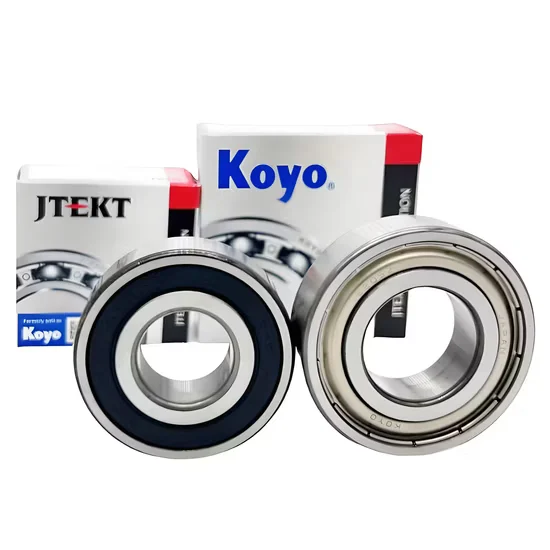
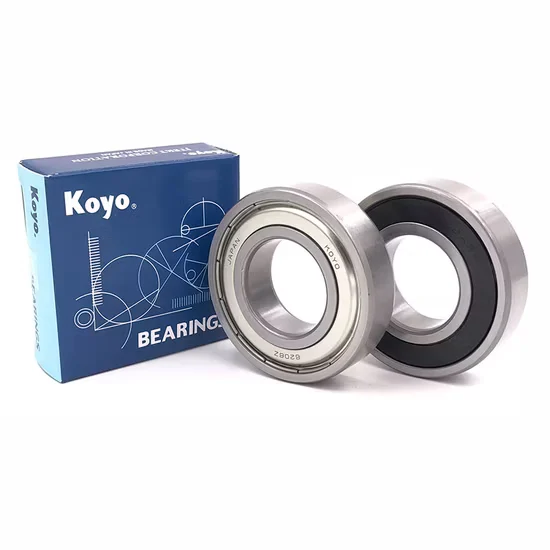
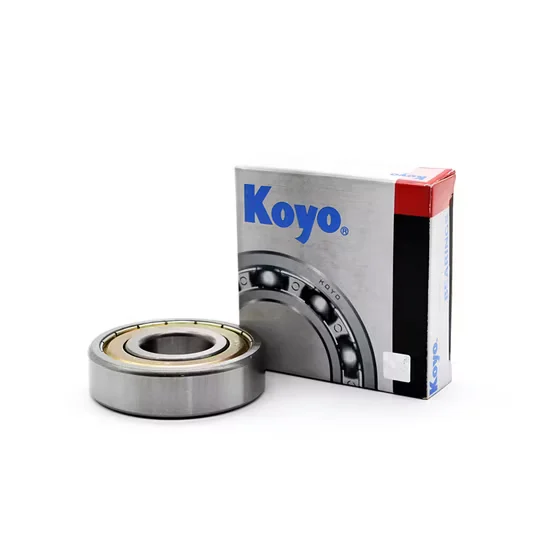
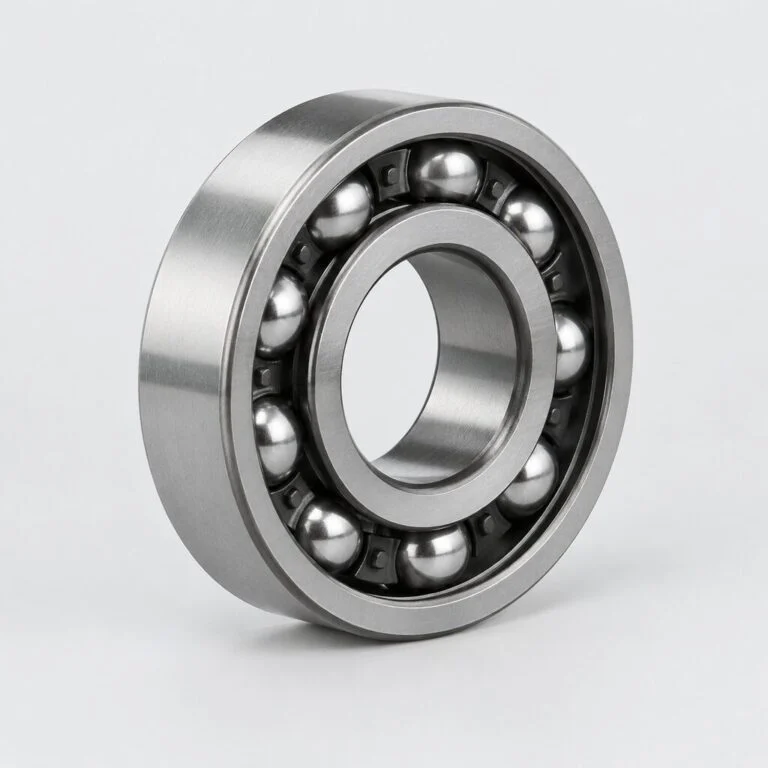
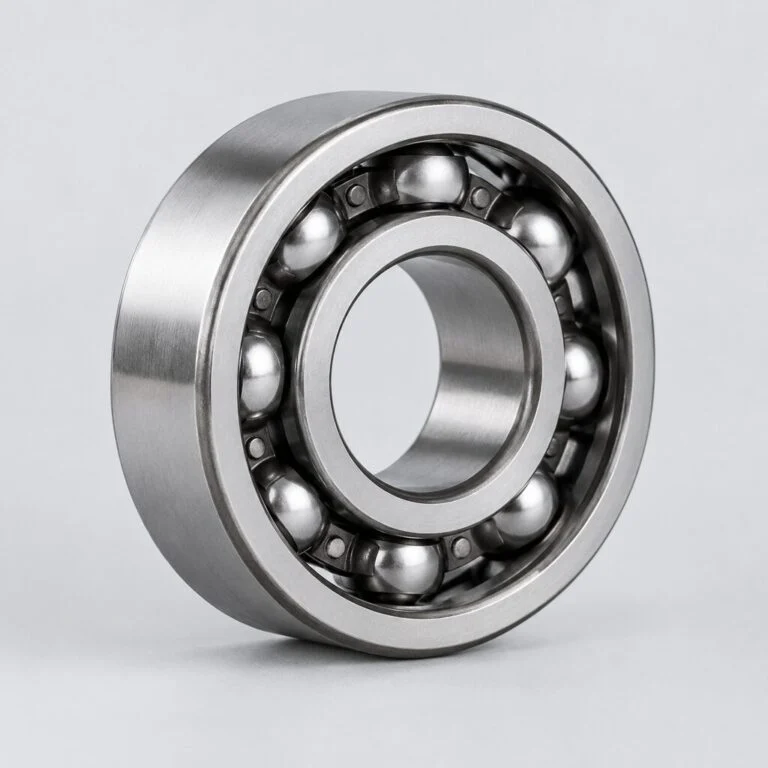
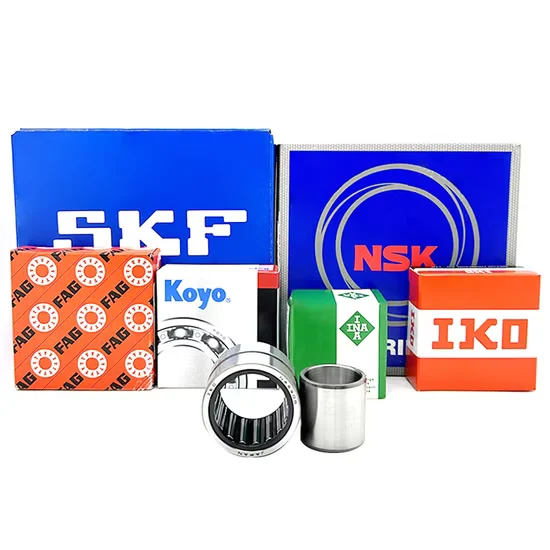
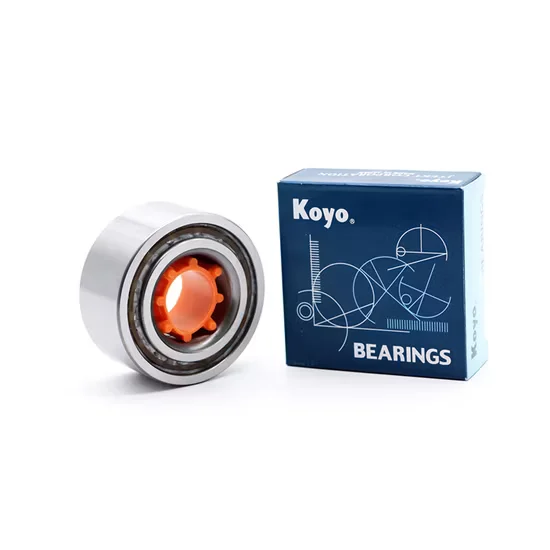
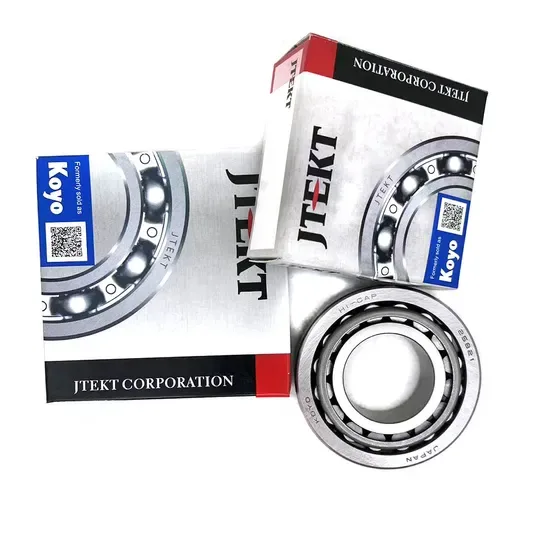
Multi-Brand Sourcing Consolidation — procure a genuine Koyo 6856 6956 deep groove ball bearing alongside other premium makes in a single mixed-size shipment without coordinating multiple vendors.
Technical Specifications
| Parameter | Value |
| Designation | Koyo 6856 6956 |
| Bearing Type | Deep Groove Ball Bearing |
| Bore Diameter (d) | 280mm |
| Outside Diameter (D) | 350mm |
| Width (B) | 33mm |
| Lubrication | Grease or Oil |
| Certification | ISO9001:2008 |
| Origin | Germany Sweden Japan |
Application Suitability
| Industry | Typical Applications |
| General Manufacturing | Heavy-duty conveyor drive pulleys |
| Pumps & Reducers | Large-scale centrifugal pump shaft supports |
| Electric Motors | High-capacity industrial motor rotor bearings |
Why a Large-Bore Koyo 6856 6956 deep groove ball bearing Seizes Under Thermal Load
Internal clearance vanishes when heat expands the inner ring faster than the housing can dissipate it.
During a mining equipment retrofit in Brazil, I watched a massive drive pulley lock up solid because the installed bearing lacked adequate internal clearance for the operating temperature. The friction generated at these large dimensions creates localized heat, and without the correct clearance class, the rolling elements bind against the raceway. When the shaft expands under heavy radial loads, the geometric tolerance shrinks rapidly. Maintenance teams often overlook this thermal dynamic, assuming standard clearances will suffice for heavy machinery. This oversight transforms a routine replacement into a critical line stoppage.

Matching the 280mm Bore to Heavy Radial Loads
Selecting the right Koyo 6856 6956 deep groove ball bearing for heavy radial applications requires verifying the exact fitment tolerance. Our engineering team provides cross-brand equivalent model consultation to ensure the 280mm bore aligns perfectly with your shaft geometry. This prevents micro-movements that typically accelerate raceway wear in high-tonnage conveyors. A loose fit causes fretting corrosion, while an excessively tight fit preloads the bearing before it even reaches operating temperature. Proper dimensional verification ensures the load is distributed evenly across the rolling elements.
Managing Heat, Lubrication, and Contamination in Heavy Machinery
High ambient temperatures in processing plants demand careful attention to lubrication viscosity and internal clearance. Grease lubrication works well for moderate speeds, but oil circulation becomes necessary when friction heat exceeds the grease dropping point. Furthermore, large-diameter bearings are highly sensitive to mounting practices; applying direct flame heating destroys the metallographic structure of the rings. Proper induction heating tools must be used to preserve the factory hardness. Contamination control is equally critical, as abrasive particles easily bypass worn housing seals and embed into the softer cage material.
Decoding the 350mm OD and 33mm Width Dynamics
The 350mm outside diameter and 33mm width define a slim cross-section relative to the bore, making the rings susceptible to deformation if handled improperly. This specific geometry requires precise housing tolerances to avoid ovalization under load. The availability of both grease and oil lubrication options allows maintenance teams to align the bearing with existing central lubrication systems. Since no specific seal or shield suffix is present in the base designation, these open-type bearings rely on the housing's external sealing mechanisms to keep contaminants out. Maintaining the correct fit ensures the thin cross-section does not pinch the rolling elements during operation. The slim width also means the bearing cannot accommodate significant misalignment, demanding strict parallelism between the shaft and housing.
The Downtime Penalty of Ignoring Clearance and Mounting Rules
Overlooking thermal expansion variables leads to catastrophic damage, where the bearing seizes and tears the shaft journal. According to failure mode classification per ISO 15243, excessive preload from thermal growth is a primary driver of premature fatigue and smearing. Unplanned downtime in a continuous processing line costs far more than the initial component price. Voided warranties and secondary equipment damage further compound the financial impact. When a 280mm bore bearing fails catastrophically, the resulting shaft scoring often requires expensive on-site machining or complete component replacement.
Securing Traceability for Critical 280mm Bore Components
Sourcing large-bore bearings carries a high risk of receiving counterfeit or reworked parts that fail under load. We provide authorized channel procurement with complete traceability documentation for every Koyo unit shipped. Our massive spot inventory covers these specific large-diameter part numbers, eliminating typical multi-week lead times. We also offer cross-reference verification to ensure the clearance and precision specifications exactly match your OEM requirements. Flexible consolidation shipping means you can mix these heavy units with smaller MRO spares in a single container. This logistical flexibility ensures your maintenance depot receives exactly what is needed for scheduled overhauls without delays.
Documentation & Authenticity
- Certificate of Conformity validating the ISO9001:2008 quality assurance standards for this specific batch.
- Original factory batch traceability linking the 280mm bore bearing to its exact production date.
- Official app QR code verification confirming the genuine Koyo origin before installation.
- Material and dimensional inspection reports confirming the 350mm OD and 33mm width tolerances.
- Origin documentation supporting customs clearance for international heavy-equipment shipments.
Storage, Handling & Mounting
- Store the 7.2kg units in their original moisture-barrier packaging until the exact mounting shift to prevent raceway corrosion.
- Use certified induction heaters for the 280mm bore; direct flame heating will ruin the heat-treated metallurgical structure.
- Wear clean lint-free gloves when handling the open-type bearing to prevent acidic sweat from etching the precision raceways.
- Verify the housing bore roundness before pressing the 350mm OD outer ring to avoid cross-sectional deformation.
- Apply the specified grease or oil immediately after mounting, as the lack of integrated seals leaves the internals exposed.
Preparing Your Technical Data for Accurate Selection
To ensure the selected bearing survives your specific operating environment, please share the exact radial and axial loads, operating speeds, and peak temperatures. Providing the OEM equipment number allows our team to perform a thorough cross-reference check and verify the required internal clearance. This technical review guarantees the replacement part matches the original design intent without guesswork. Supplying details about the housing seal condition helps us recommend the appropriate external contamination barriers for these open-type components.
Frequently Asked Questions
Q: How do I verify the authenticity of these large-bore Koyo bearings?
A: Every genuine unit features a unique QR code scannable via the official manufacturer app. This digital verification confirms the original factory batch and prevents the installation of counterfeit parts, which is a critical risk when sourcing heavy-duty 280mm bore components for continuous industrial operations.
Q: What cross-reference precautions apply to the internal clearance?
A: When replacing OEM bearings, you must verify that the cross-referenced equivalent matches the exact internal clearance class. Substituting a standard clearance for a C3 or C4 variant in high-temperature applications will cause thermal expansion to eliminate the operating gap, leading to rapid seizure and catastrophic shaft damage.
Q: Which lubrication method is recommended for this open-type bearing?
A: The choice between grease and oil depends on your operating speed and cooling requirements. Grease is suitable for moderate speeds and simpler maintenance, while circulating oil is necessary when high speeds generate friction heat that exceeds the thermal limits of standard greases, ensuring adequate cooling and contaminant flushing.
Q: What induction heating tools are required for mounting the 280mm bore?
A: You must use a properly calibrated induction heater with an automatic demagnetization cycle. Direct flame heating is strictly prohibited, as localized overheating destroys the precise metallographic structure and hardness of the bearing rings, rendering even a genuine premium component completely useless in heavy-load applications.
Q: How should I protect the bearing from dust since it lacks integrated seals?
A: Because this designation lacks seal or shield suffixes, the bearing relies entirely on your equipment's external housing seals. You must ensure the housing labyrinth or lip seals are intact and properly greased to prevent abrasive mining or manufacturing dust from entering the rolling elements and causing premature abrasive wear.