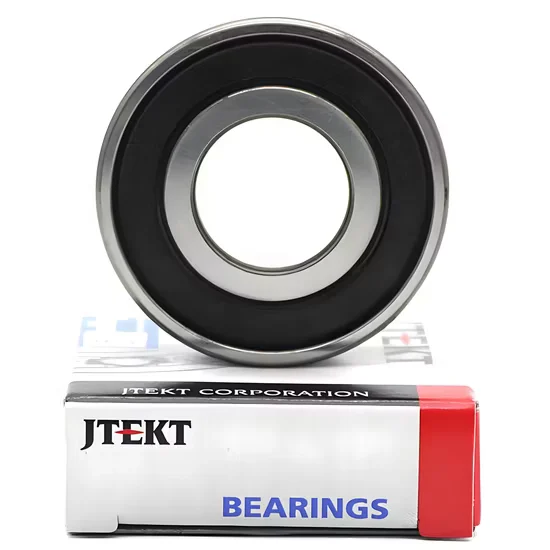
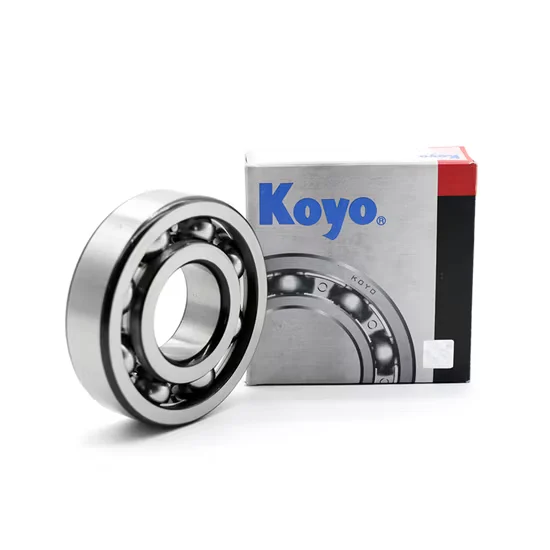
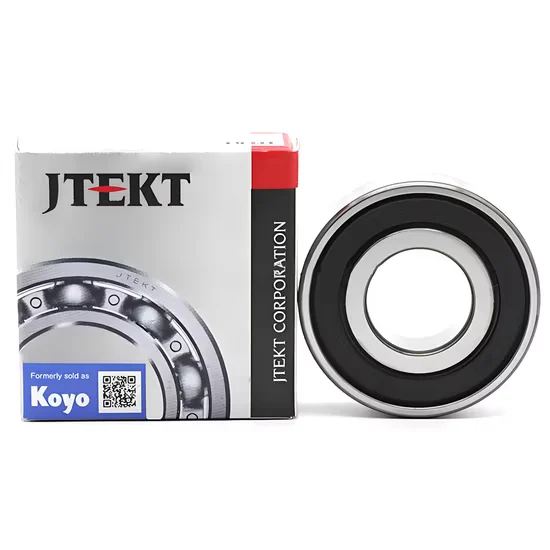
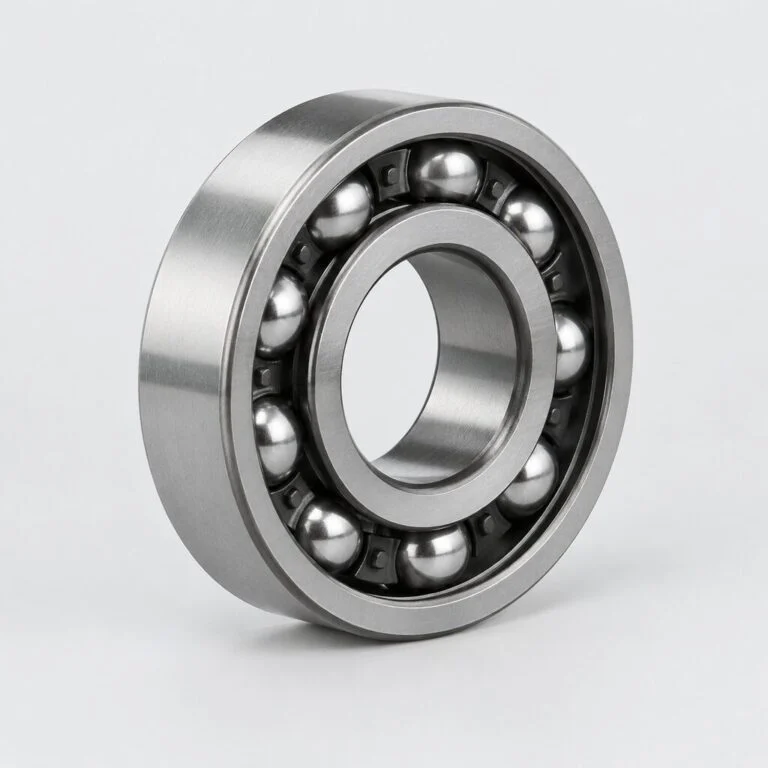
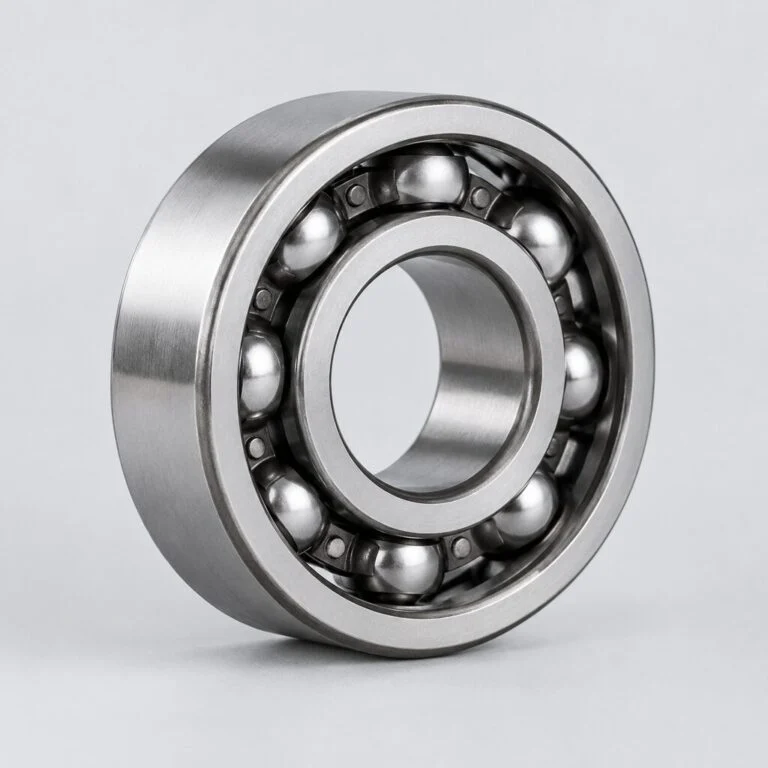
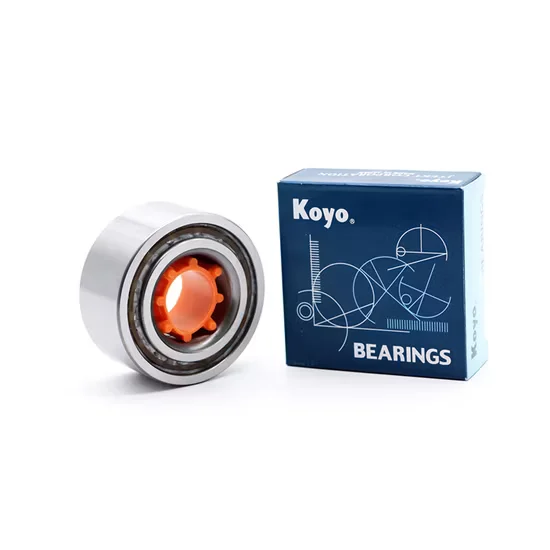
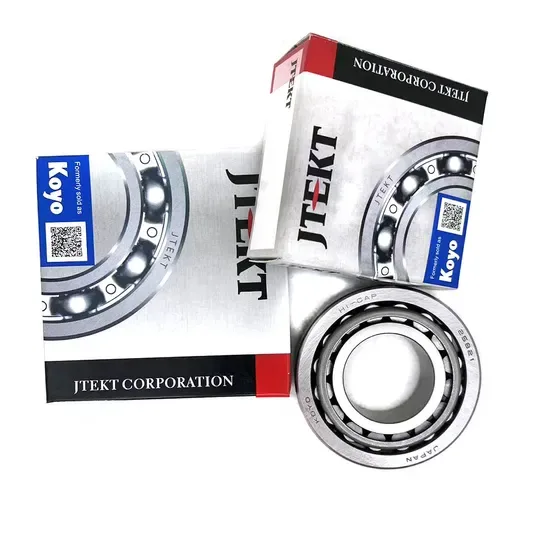
Cross-reference alignment fully verified — Matching KOYO 6256 6260 6264 deep groove ball bearing dimensions and load ratings against equivalent global catalogs prevents misapplication in heavy-duty electric motors and industrial gearboxes.
Technical Specifications
| Parameter | Value |
| Designation | KOYO 6256 6260 6264 |
| Bearing Type | Deep Groove Ball Bearing |
| Seal or Shield Type | ZZ, 2RS, Open |
| Clearance Class | C0, C2, C3 |
| Precision Class | P0, P6, P5, P4 |
| Contact Angle | 0° |
| Material | Bearing Steel |
| Lubrication | Grease or Oil |
| Origin | Japan |
Application Suitability
| Industry | Typical Applications |
| Power Tools | High-torque angle grinders and rotary hammers |
| Industrial Motors | Large-capacity AC/DC motor rotor supports |
| Material Handling | Heavy-duty conveyor drive pulley shafts |
| Fluid Machinery | Centrifugal pump impeller shaft supports |
Why Dust Ingress Destroys Large-Bore KOYO 6256 6260 6264 Deep Groove Ball Bearing Units
Seal selection dictates survival in abrasive environments.
Early in my career servicing power tools in Dongguan, I witnessed a catastrophic motor failure caused by a simple sealing mismatch. A client installed standard shielded variants in a high-dust angle grinder application, allowing microscopic metal particles to penetrate the cage. The resulting friction seized the rotor and burned out the stator within months. Selecting the correct KOYO 6256 6260 6264 deep groove ball bearing requires analyzing the exact contamination level. Relying on inadequate sealing inevitably leads to premature seizure, turning a minor maintenance task into a complete machine rebuild.

Matching Seal Configurations to Tool Operating Environments
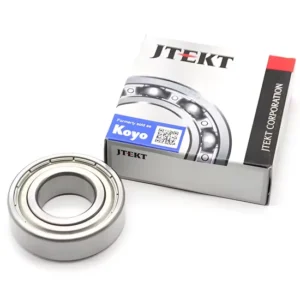
Choosing between ZZ, 2RS, and Open configurations depends entirely on the contamination and friction limits of your specific machinery. We supply these models with versatile sealing options to ensure optimal protection without generating excessive heat in high-speed electric motors. Our engineering team evaluates your environmental exposure to recommend the exact variant needed for prolonged service life. Metal shields minimize friction, while rubber contact seals provide maximum exclusion for harsh environments.
Radial Loads and Thermal Expansion in Continuous Duty
Large industrial gearboxes and continuous-duty pumps subject these components to sustained radial forces and fluctuating thermal conditions. When operating temperatures rise, internal clearance decreases, potentially causing excessive preload and accelerated fatigue. Proper lubrication selection—whether grease for sealed units or oil circulation for open types—must align with the operating speed and thermal profile to maintain a stable hydrodynamic film. Ignoring these thermal dynamics often results in localized overheating and cage degradation.
Decoding Precision and Clearance for Motor Rotors
The availability of P0 through P4 precision classes allows engineers to match the rotational accuracy requirements of sensitive electrical tools. Higher precision grades minimize vibration and acoustic noise in high-speed motor applications. Furthermore, selecting the appropriate internal clearance—C0 for standard conditions, or C2/C3 for applications involving thermal expansion or heavy interference fits—ensures the component operates within its optimal load zone. The 0-degree contact angle and single-row arrangement provide pure radial load support, making them ideal for shafts with minimal axial thrust.
The Financial Impact of Premature Seizure
When a critical component fails unexpectedly, the resulting unplanned downtime often eclipses the initial procurement cost. Catastrophic damage to adjacent shafts and housings frequently occurs when cage disintegration sends metallic debris through the drive train. Adhering to failure analysis frameworks helps identify root causes like contamination or improper clearance, preventing warranty voidance and repeated breakdowns across your production line.
Securing Traceable Inventory for Critical Replacements
Sourcing authentic large-bore components requires strict supply chain control to avoid counterfeit or refurbished stock. We maintain massive spot inventory of genuine Japanese-manufactured units, ensuring rapid fulfillment for urgent maintenance requirements. Our cross-brand equivalent model consultation helps you verify dimensional interchangeability when original part numbers are obsolete. Every shipment includes complete traceability documentation, and our flexible MOQ accommodates both single-unit emergency orders and full-container project consolidations.
Documentation & Authenticity
- Original manufacturer batch traceability codes matching the outer box labels.
- Certificate of Conformity confirming Japanese origin for these specific designations.
- Dimensional inspection reports verifying P4 tolerance before dispatch.
- Anti-counterfeit QR verification tags on all primary packaging.
Storage, Handling & Mounting
- Retain original factory packaging until installation to protect the ZZ shields from humidity.
- Use induction heating for inner ring mounting to avoid damaging the 2RS contact seals.
- Store open-type variants in climate-controlled environments to prevent bearing steel corrosion.
- Apply clean cotton gloves when handling P4 precision races to prevent skin acid etching.
Engineering Data Required for Selection Verification
To ensure optimal performance, please provide your exact radial and axial load profiles, operating speeds, and thermal conditions. Sharing the OEM equipment model number allows our technical team to perform cross-reference verification and L10 life calculations. Specify the environmental contamination level so we can confirm the most suitable sealing configuration for your application.
Frequently Asked Questions
Q: How can I verify the authenticity of these large-bore units?
A: Authenticity is confirmed through original manufacturer batch traceability codes and official verification applications. We provide complete documentation, including Certificates of Conformity and detailed dimensional inspection reports, ensuring every single unit originates directly from authorized Japanese production facilities without any intermediary tampering.
Q: What cross-reference factors matter for these specific designations?
A: When cross-referencing to equivalent global catalogs, engineers must verify not just the basic dimensions, but also the internal clearance class and cage material. Matching these internal specifications ensures the replacement handles the exact thermal expansion and vibration profiles of your electric motors.
Q: How do I choose between ZZ, 2RS, and Open seals?
A: ZZ metal shields offer low-friction protection against large debris, while 2RS rubber seals provide superior exclusion of fine dust and moisture. Open variants are reserved for clean, oil-lubricated gearboxes where heat dissipation is critical and external sealing is already managed by the housing.
Q: Which clearance class suits high-temperature motor applications?
A: Standard C0 clearance works for ambient conditions, but C3 is typically required for electric motors where the inner ring runs hotter than the outer ring. This extra internal space compensates for thermal expansion, preventing the bearing from seizing under continuous high-speed operation.