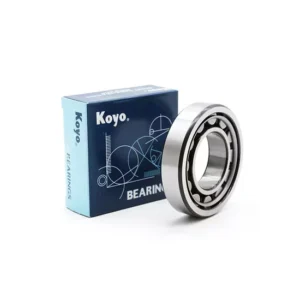
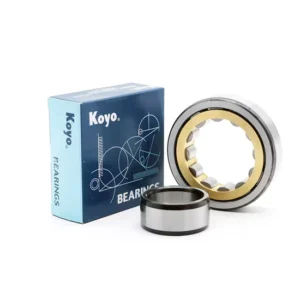
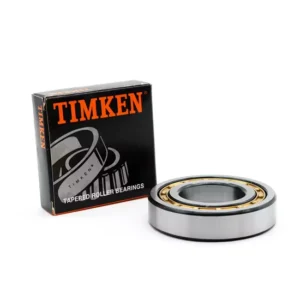
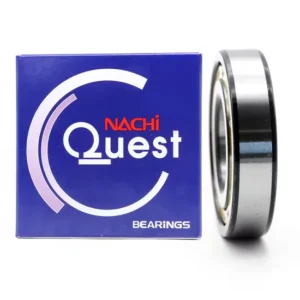
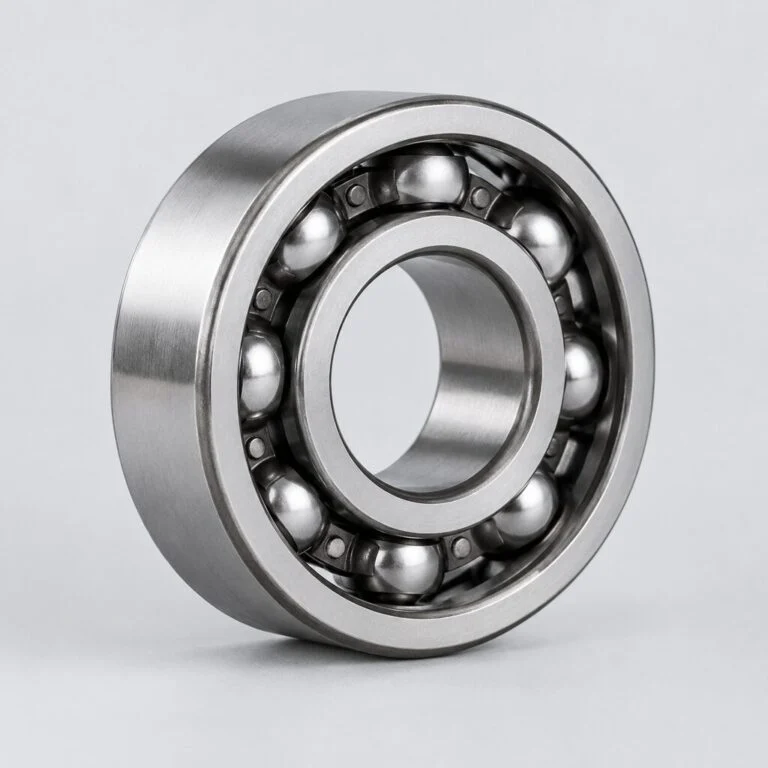
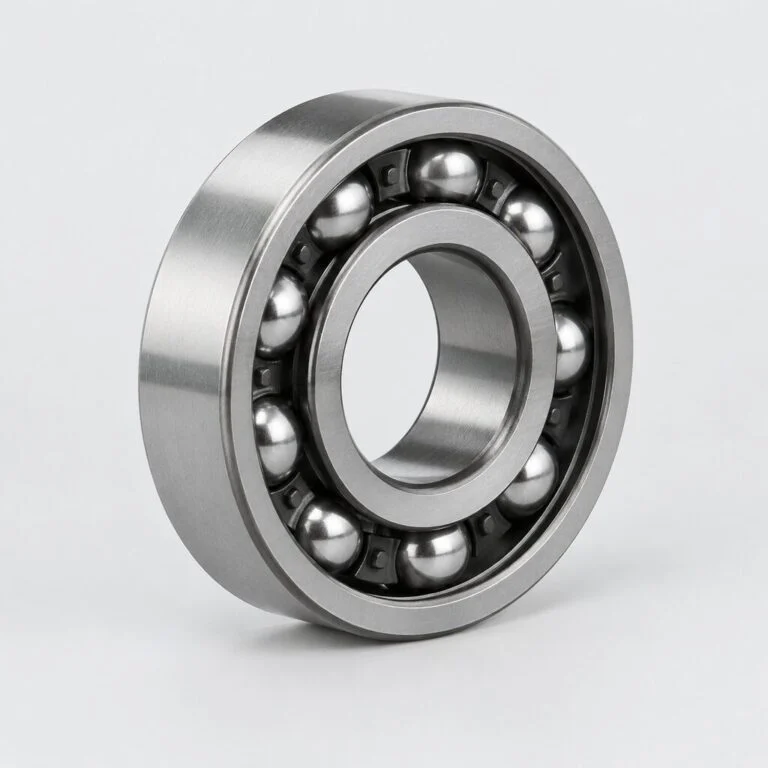
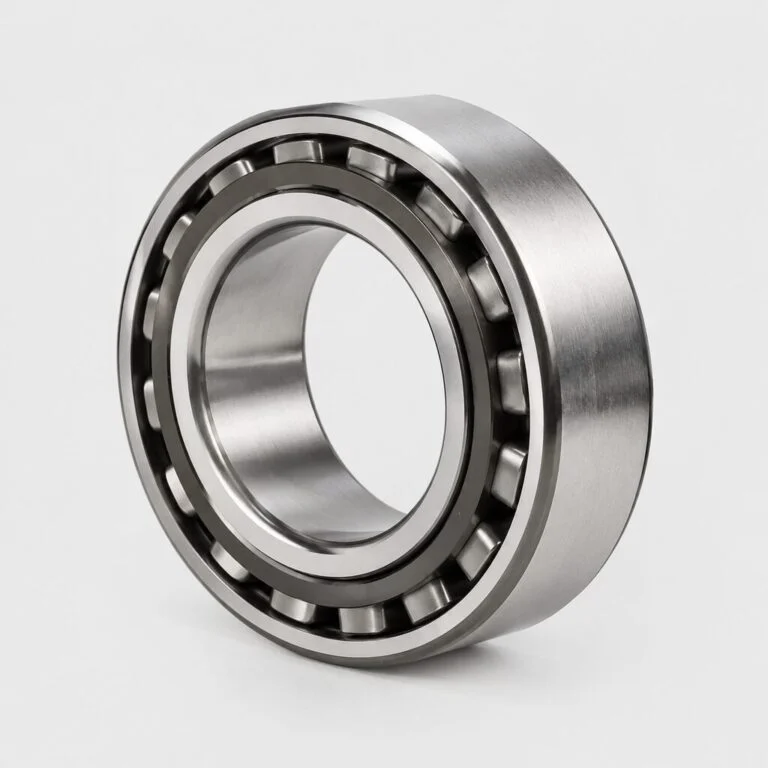
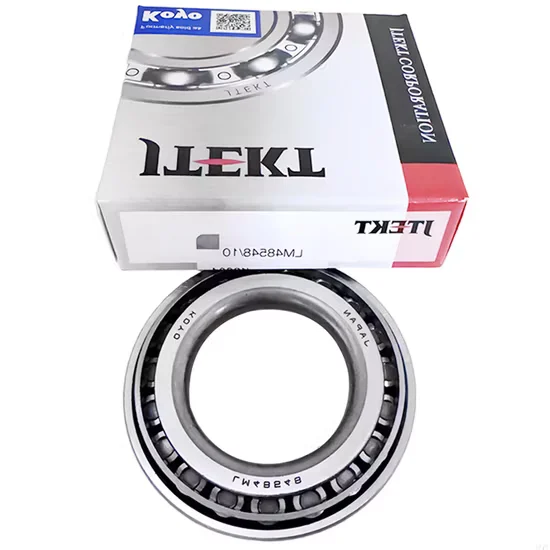
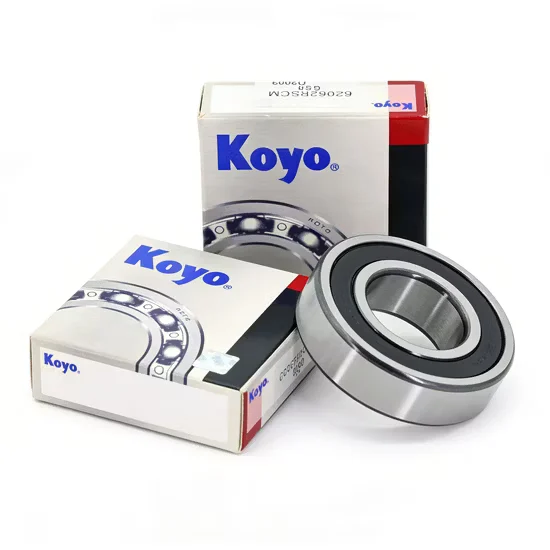
Cross-Reference Dimensional Alignment — verifying bore, outside diameter, and width matches your OEM cylindrical roller bearing specifications before dispatch.
Technical Specifications
| Parameter | Value |
| Designation | NU306EM |
| Bearing Type | Cylindrical Roller Bearing |
| Bore Diameter (d) | 30 mm |
| Outside Diameter (D) | 72 mm |
| Width (B) | 19 mm |
| Cage Material | Machined brass cage (M suffix) |
| Internal Design | Enhanced capacity (E suffix) |
| Seal or Shield Type | Open |
| Lubrication | Oil or Grease |
| Precision Class | P0, P6, P5, P4, P2 |
| Separable Design | Yes |
| Origin | China |
Application Suitability
| Industry | Typical Applications |
| Heavy Machinery | Heavy-duty gearboxes for mining conveyors |
| Metallurgy | Rolling mills work roll and backup roll necks |
| Power Transmission | Traction motors in industrial locomotives |
Why Vibrating Screens Destroy Standard Cages Before the NU306EM cylindrical roller bearing Fails
High-frequency vibration shatters pressed steel cages long before the rolling elements fatigue.
In my years servicing African mining sites, I watched vibrating screens tear through incorrectly specified cages in mere months. Sending a standard pressed steel cage instead of a machined brass one for high-temperature, high-vibration duties leads to catastrophic cage fragmentation and sudden shaft lockups. This hard lesson reshaped how I verify cage materials for every single order, ensuring that the internal components can actually survive the brutal dynamic forces present in mineral processing plants.

Matching the NU306EM cylindrical roller bearing to High-Load Radial Environments
When radial loads dominate and axial displacement is minimal, this specific configuration provides the necessary rigidity for demanding industrial drives. We consolidate mixed-brand packages for urgent maintenance, ensuring the enhanced internal geometry aligns perfectly with your gearbox housing tolerances. Sourcing genuine components with complete traceability prevents the devastating downtime caused by counterfeit or downgraded replacements. Our engineering team actively reviews your application parameters to guarantee that the selected configuration handles the specific shock loads inherent to your extraction or milling processes.
Managing Thermal Expansion and Lubrication Starvation in Heavy Gearboxes
Heavy-duty gearboxes generate substantial heat, demanding careful clearance selection to accommodate thermal expansion without inducing excessive internal preload that accelerates fatigue. An open design allows for flexible oil bath or circulating oil lubrication strategies, washing away metallic debris that accelerates wear. Furthermore, the separable inner and outer rings simplify installation in tight mechanical spaces, reducing the risk of mounting damage. Proper alignment during assembly is crucial, as even minor misalignment can cause edge loading on the cylindrical rollers, drastically shortening the operational lifespan. Engineers must also consider the thermal limits of standard bearing steel when operating near high-heat sources, potentially requiring specialized clearance classes to maintain optimal internal geometry under extreme thermal gradients.
Decoding the E and M Suffixes for Operational Longevity
The "E" suffix indicates an optimized internal geometry with larger and more rolling elements, significantly boosting radial load capacity without increasing the external envelope dimensions. Meanwhile, the "M" suffix designates a machined brass cage, which is absolutely critical for high-speed or high-vibration applications where pressed steel would quickly fatigue and fracture. This solid brass construction maintains structural integrity under severe shock loads and ensures stable roller guidance even when lubrication films thin out. The open seal type requires external lubrication but completely eliminates the friction heat generated by contact seals, making it ideal for high-temperature environments. Precision classes ranging from standard to ultra-precise allow exact matching to the rotational accuracy demands of traction motors or rolling mills.
The Cascading Financial Impact of Cage Fragmentation
Selecting an inadequate cage material for high-vibration environments triggers unplanned downtime that far exceeds the initial component savings. When a cage fractures, the rolling elements skew and jam, causing catastrophic damage to the shaft, housing, and adjacent drive components. This premature failure voids equipment warranties and forces emergency air-freight replacements, disrupting entire production schedules and inflating maintenance budgets. Recognizing these hidden costs is the first step toward implementing a more reliable, specification-driven procurement strategy for your critical rotating equipment.
Securing Genuine Brass Cages Through Rigorous Dispatch Verification
I personally verify the cage material and clearance class for every single order, ensuring a machined brass cage is never accidentally swapped for a stamped steel variant during packing. Our massive spot inventory covers thousands of standard part numbers, enabling full container consolidation shipments that optimize your international freight costs. We provide complete traceability documentation for every genuine component, protecting your operations from the severe risks of counterfeit parts that plague the industrial aftermarket. Additionally, our technical team offers cross-brand equivalent model consultation if your preferred brand faces extended lead times, ensuring your maintenance schedules remain uninterrupted. Furthermore, we conduct rigorous dimensional and running accuracy inspections before dispatch, guaranteeing that the physical product matches the declared precision class. This thorough validation process eliminates the guesswork from your maintenance planning and provides absolute confidence in the reliability of your rotating machinery.
Documentation & Authenticity
- Certificate of Conformity confirming the exact precision class and origin for your specific batch.
- Original manufacturer batch traceability codes linking the machined brass cage to its production run.
- Material inspection reports verifying the bearing steel metallurgical composition before dispatch.
- Dimensional and running accuracy inspection reports confirming P4 or P2 tolerances when specified.
Storage, Handling & Mounting
- Store the open-type bearing in its original moisture-barrier packaging until mounting to prevent raceway corrosion on the 30 mm bore.
- Use induction heating for the inner ring installation, monitoring the temperature to preserve the dimensional stability of the 30 mm bore.
- Apply clean gloves when handling the machined brass cage to prevent acidic sweat from initiating surface oxidation on the M suffix component.
- Flush the gearbox with clean oil before final assembly to remove any machining debris that could score the enhanced capacity E suffix rollers.
Providing the Right Parameters for Technical Validation
To ensure optimal life calculation and precise selection, please share your exact radial loads, operational speeds, and steady-state temperatures. If you are replacing an existing unit, provide the original equipment manufacturer model number so we can perform a precise cross-reference alignment. Detailing the environmental exposure, such as heavy dust, moisture ingress, or chemical contamination, helps us recommend the most appropriate external sealing arrangement for your specific housing design.
Frequently Asked Questions
Q: How do I verify the authenticity of multi-brand NU306EM cylindrical roller bearing supplies?
A: We supply genuine bearings with complete traceability documentation, including original manufacturer batch codes and Certificates of Conformity. You can verify authenticity through official brand applications or QR codes where supported. Our strict sourcing channels ensure every machined brass cage and enhanced capacity roller meets exact factory specifications without unauthorized substitutions.
Q: What are the differences between machined brass cages and pressed steel cages for the NU series?
A: Machined brass cages, indicated by the M suffix, offer superior strength and vibration resistance, making them essential for heavy-duty gearboxes and vibrating screens. Pressed steel cages are lighter and suitable for standard speeds but can fracture under severe shock loads or high temperatures. Choosing the correct cage prevents catastrophic equipment lockups.
Q: How do I select the right precision class for heavy-duty gearboxes using this bearing?
A: Standard P0 or P6 precision is typically sufficient for general heavy-duty gearboxes where extreme rotational accuracy is not critical. However, if the gearbox drives high-speed traction motors or precision rolling mills, upgrading to P5, P4, or P2 reduces vibration and noise. Always match the precision class to your specific shaft runout requirements.
Q: What lubrication recommendations apply to open-type cylindrical roller bearings in mining equipment?
A: Open bearings require external lubrication, allowing you to choose between oil baths, circulating oil, or grease based on your gearbox design. Circulating oil is highly recommended for high-speed or high-temperature mining conveyors, as it simultaneously lubricates and dissipates heat while flushing away metallic wear particles. Ensure the lubricant viscosity matches your operational temperature range.
Q: What cross-reference considerations matter when replacing OEM cylindrical roller bearings?
A: When replacing OEM parts, verify the bore, outside diameter, and width dimensions match exactly. Crucially, check the internal design and cage material suffixes; substituting an enhanced capacity brass cage with a standard stamped steel variant will drastically reduce service life. We provide comprehensive cross-reference alignment across premium global brands to ensure perfect interchangeability.