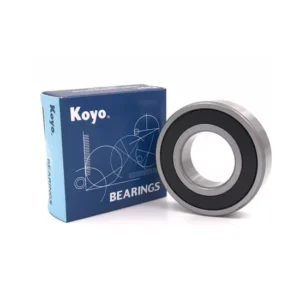
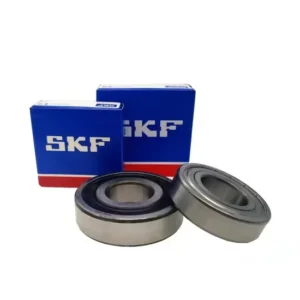
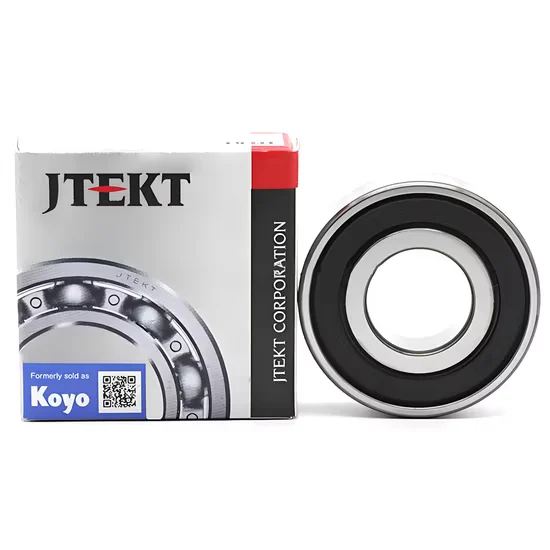
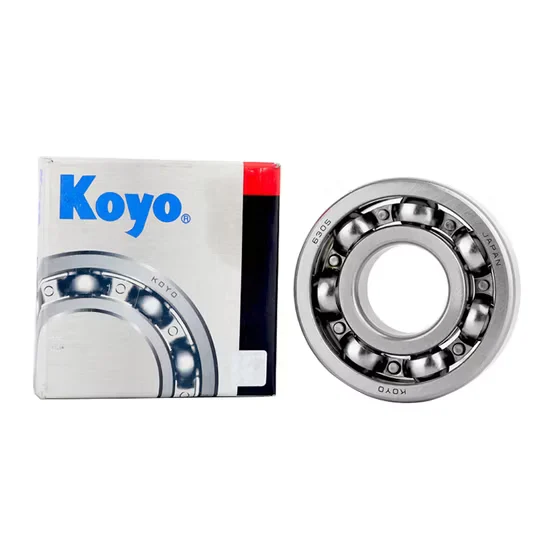
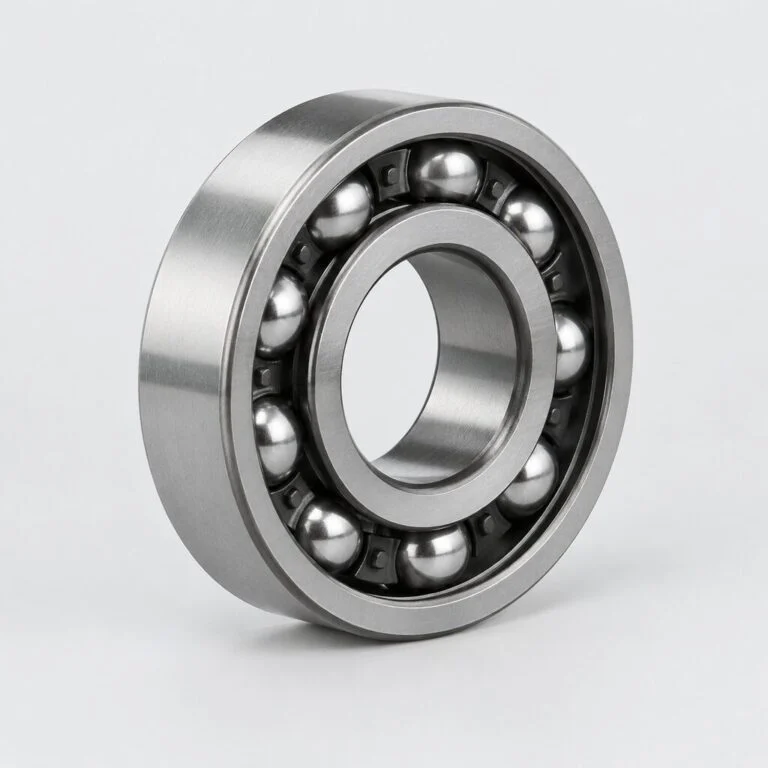
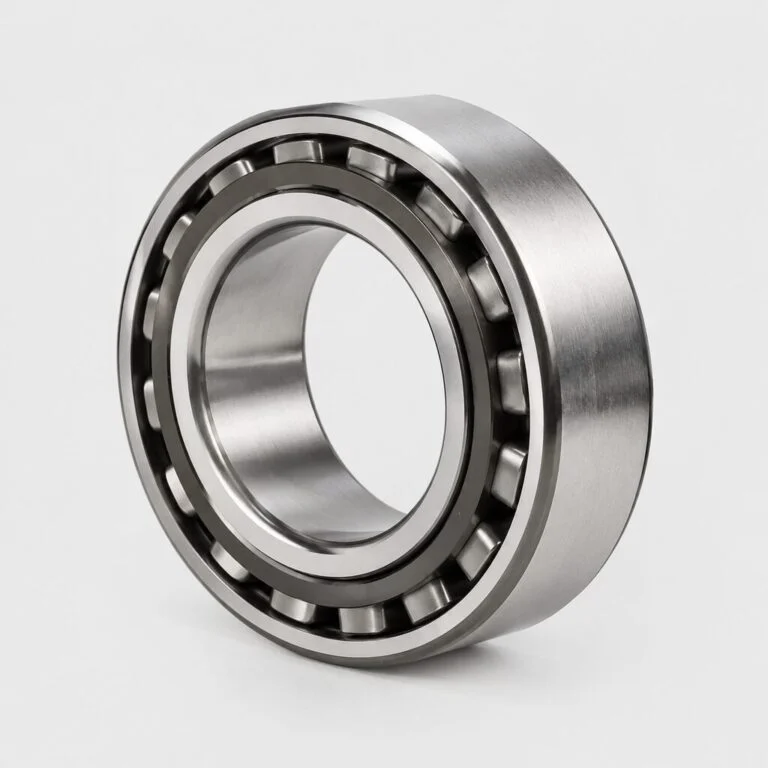
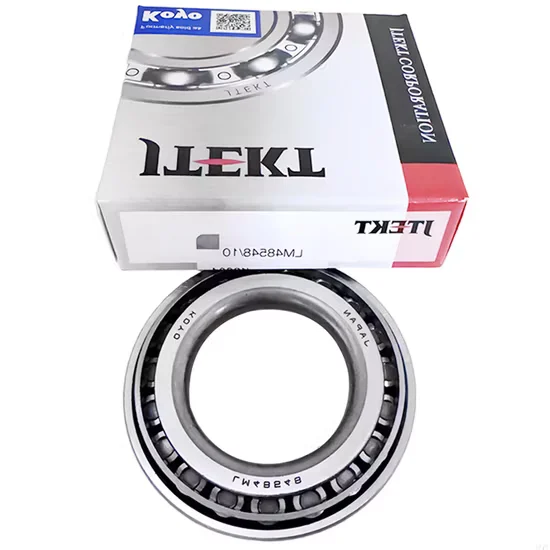
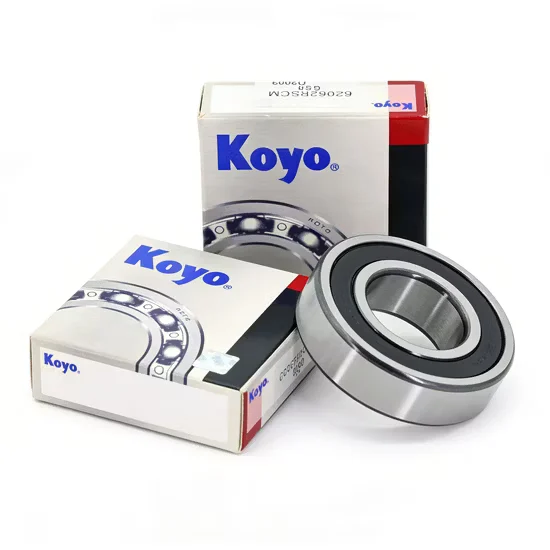
Mixed-Brand Sourcing — Consolidate KOYO 6328 6330 6332 deep groove ball bearing orders with NSK equivalents in a single shipment without juggling multiple suppliers.
Technical Specifications
| Parameter | Value |
| Designation | KOYO 6328 6330 6332 |
| Bearing Type | Deep Groove Ball Bearing |
| Bore Diameter (d) / Outside Diameter (D) / Width (B) | 140x300x62 mm (6328), 150x320x65 mm (6330), 160x340x68 mm (6332) |
| Seal or Shield Type | ZZ, 2RS, Open |
| Lubrication | Grease or Oil |
| Precision Class | P0, P6, P5, P4 |
| Clearance Class | C0, C2, C3 |
| Number of Rows | Single |
| Material | Bearing Steel |
| Contact Angle | 0° |
| Load Direction | Radial |
| Aligning | Non-Aligning |
| Cross Reference | NSK 6328, NSK 6330, NSK 6332 |
Application Suitability
| Industry | Typical Applications |
| Packaging & Printing | High-speed printing rollers, packaging line conveyors |
| General Manufacturing | Electric motors, pumps, gearboxes |
Preventing Thermal Seizure in KOYO 6328 6330 6332 Deep Groove Ball Bearing Applications
Selecting C3 clearance prevents internal binding when continuous high-speed operation generates excessive thermal expansion.
At a Mexican packaging facility, a printing line experienced complete seizure on its main rollers. The initial setup relied on standard internal clearance to minimize upfront costs, but the continuous high-speed friction caused the internal components to expand and lock up. The production line halted entirely, causing severe financial losses and missed delivery deadlines. Switching to larger internal clearance variants stabilized the line and eliminated the unplanned downtime. Engineers often overlook how friction heat alters internal geometry, assuming standard specifications will suffice for all operational profiles. Understanding the thermal dynamics of large-diameter shafts is critical for maintaining continuous production cycles without catastrophic mechanical failures.

Matching Radial Load Capacity to Packaging Machinery
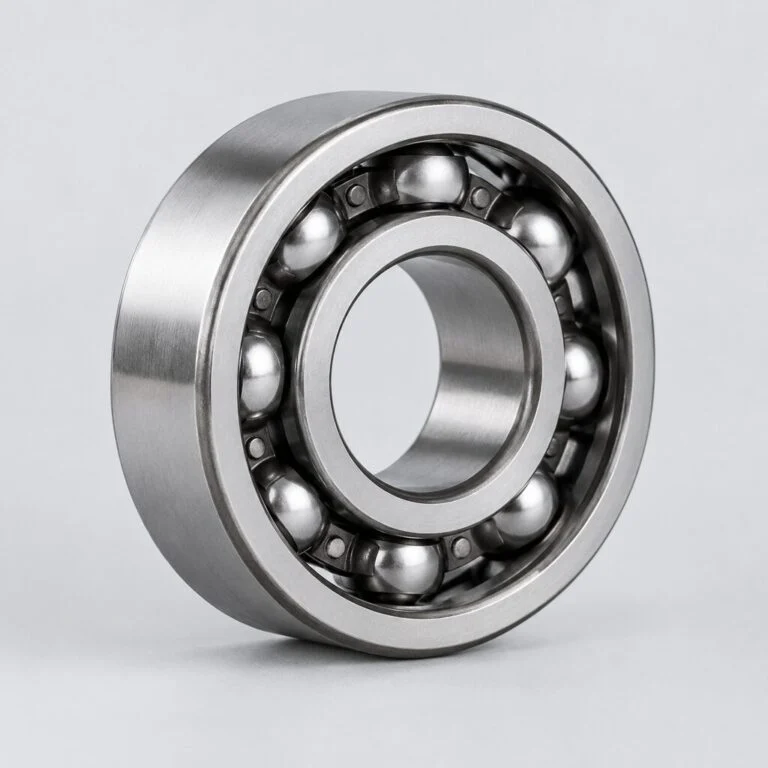
These large-bore units handle heavy radial loads typical in heavy-duty conveyors and printing presses. The single-row, non-aligning construction provides rigid support for shafts up to 160mm in diameter, ensuring the structural integrity of the drive system. Sourcing the correct KOYO 6328 6330 6332 deep groove ball bearing ensures the equipment maintains rotational accuracy under continuous production cycles. When dealing with heavy packaging machinery, the radial forces exerted on the main drive shafts require components that resist deformation. The deep groove raceway geometry allows these units to sustain high radial loads while maintaining low friction, which is essential for energy efficiency in large-scale manufacturing plants.
Navigating Contamination and Lubrication in Printing Environments
Printing and packaging environments expose rotating shafts to paper dust, ink splatter, and moisture. Choosing between ZZ shields and 2RS contact seals dictates the balance between friction heat and contamination exclusion. While open designs allow for customized oil lubrication in high-speed gearboxes, sealed variants retain grease to protect against particulate ingress. Proper lubrication selection directly impacts the operational lifespan under these harsh conditions. In facilities where airborne paper fibers are prevalent, fine particulates can easily penetrate inadequate sealing arrangements, leading to abrasive wear on the raceways. Selecting the appropriate seal type and lubrication method ensures the internal components remain protected, extending the maintenance intervals and reducing the overall cost of ownership for the machinery.
Decoding Precision and Clearance for Large-Diameter Shafts
For shafts ranging from 140mm to 160mm, thermal growth during operation significantly alters the internal geometry. A C0 clearance might suffice for low-speed conveyor drives, but high-speed printing rollers demand C3 clearance to accommodate thermal expansion without preloading the rolling elements. Precision classes from P0 to P4 dictate the running accuracy; higher precision reduces vibration in sensitive printing applications where print quality depends on shaft stability. Available in bearing steel variants, these units provide the necessary core hardness to withstand heavy radial stresses. Furthermore, the choice between grease and oil lubrication must align with the speed limits dictated by the seal type. Open bearings utilized in enclosed gearboxes benefit from continuous oil circulation, which dissipates heat more effectively than static grease, thereby preserving the structural integrity of the large-bore components over extended operational periods.
The Financial Impact of Incorrect Internal Clearance
Specifying the wrong internal clearance leads to catastrophic damage rather than gradual wear. When thermal expansion eliminates the internal gap, the rolling elements skid against the raceways, causing rapid surface fatigue and eventual seizure. This results in unplanned downtime, destroyed shafts, and voided equipment warranties. Following ISO 15243 failure mode classifications helps identify these premature failures before they halt the entire production line. The collateral damage caused by a seized large-bore unit often extends beyond the component itself, damaging adjacent housings, seals, and drive motors. Procurement teams must recognize that the initial savings from selecting an incorrect clearance class are quickly eclipsed by the extensive repair costs and lost production revenue associated with sudden mechanical breakdowns.
Securing Traceable Large-Bore Bearings for Critical Lines
Procuring large-diameter units requires strict verification to avoid counterfeit components that fail under heavy radial loads. We provide complete traceability documentation for every KOYO 6328 6330 6332 deep groove ball bearing shipped, ensuring the metallurgical grade matches the application demands. Our inventory covers multiple seal and clearance configurations, allowing mixed-brand consolidation with NSK equivalents to reduce freight costs. Technical selection support helps verify the exact clearance code against your operational speed and temperature profiles. Sourcing from authorized channels guarantees that the internal geometry and material treatments meet the original equipment manufacturer's stringent requirements. This comprehensive approach to procurement mitigates the risk of receiving substandard parts that could compromise the reliability of critical packaging and printing infrastructure.
Documentation & Authenticity
- Certificate of Conformity verifying the specific P-class tolerance and C3 clearance code for large-bore units.
- Original manufacturer batch traceability linking the 150mm and 160mm bore sizes to their production dates.
- Dimensional inspection reports confirming the 140x300x62mm and 150x320x65mm boundaries before dispatch.
- Material test certificates validating the bearing steel grade used for heavy radial load applications.
Storage, Handling & Mounting
- Store the open-type variants in climate-controlled environments to prevent moisture ingress before custom oil lubrication.
- Keep ZZ and 2RS sealed units in their original packaging until installation to preserve factory-applied grease.
- Use induction heating for mounting the 160x340x68mm units to avoid mechanical damage to the bearing steel raceways.
- Verify the C3 clearance feeler gauge measurements during installation to ensure thermal expansion allowances are maintained.
Engineering Data Required for Selection Verification
To ensure the selected configuration matches your machinery, provide the exact radial loads, operational speeds, and ambient temperatures. Sharing the OEM equipment part numbers allows our engineering team to cross-reference the required precision class and seal type. This technical review prevents clearance mismatches and guarantees the components fit your specific packaging or printing line. Detailed operational data enables accurate L10 life calculations, ensuring the selected units will meet your maintenance scheduling requirements. By providing comprehensive application parameters, buyers receive tailored technical guidance that optimizes component selection and maximizes the operational longevity of the machinery.
Frequently Asked Questions
Q: How do I cross-reference these models with other brands?
A: The KOYO 6328 6330 6332 deep groove ball bearing series directly cross-references to NSK 6328, NSK 6330, and NSK 6332. When substituting brands, always verify that the internal clearance and precision class match your original equipment specifications to prevent thermal seizure in high-speed applications.
Q: What is the difference between ZZ and 2RS seals for printing machinery?
A: ZZ metal shields offer low-friction protection against large debris, making them suitable for high-speed rollers where heat generation is a concern. The 2RS rubber contact seals provide superior exclusion of fine paper dust and moisture but introduce slightly higher friction, which must be factored into the speed limits.
Q: Why is C3 clearance recommended for high-speed packaging lines?
A: High-speed continuous operation generates significant internal heat, causing the bearing steel components to expand. A standard C0 clearance may close completely under these conditions, leading to excessive preload and seizure. The C3 clearance provides the necessary internal gap to accommodate this thermal growth and maintain smooth rotation.
Q: How can I verify the authenticity of large-bore bearings upon delivery?
A: Authenticity is confirmed by checking the original manufacturer packaging, scanning the official QR codes, and reviewing the accompanying traceability documentation. We supply dimensional inspection reports and material certificates that validate the specific bore diameter, outside diameter, and metallurgical grade of the components you receive.