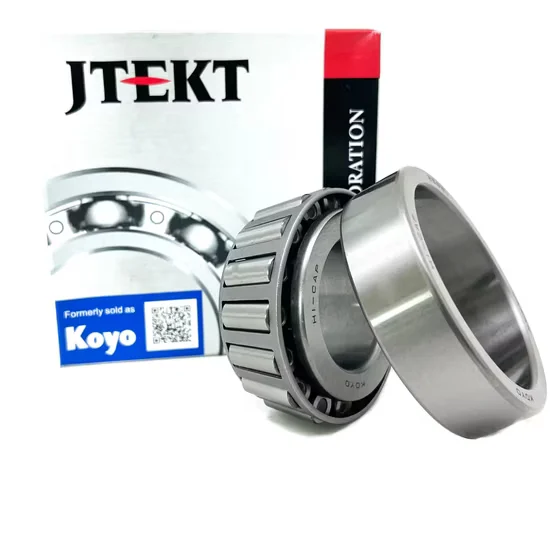
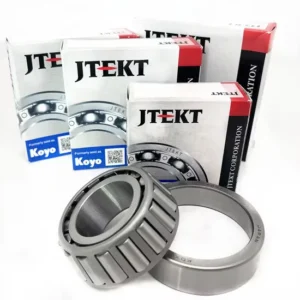
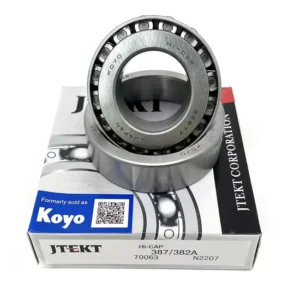
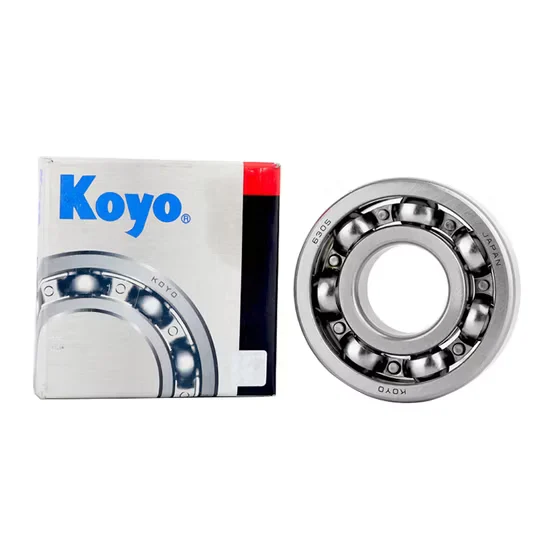
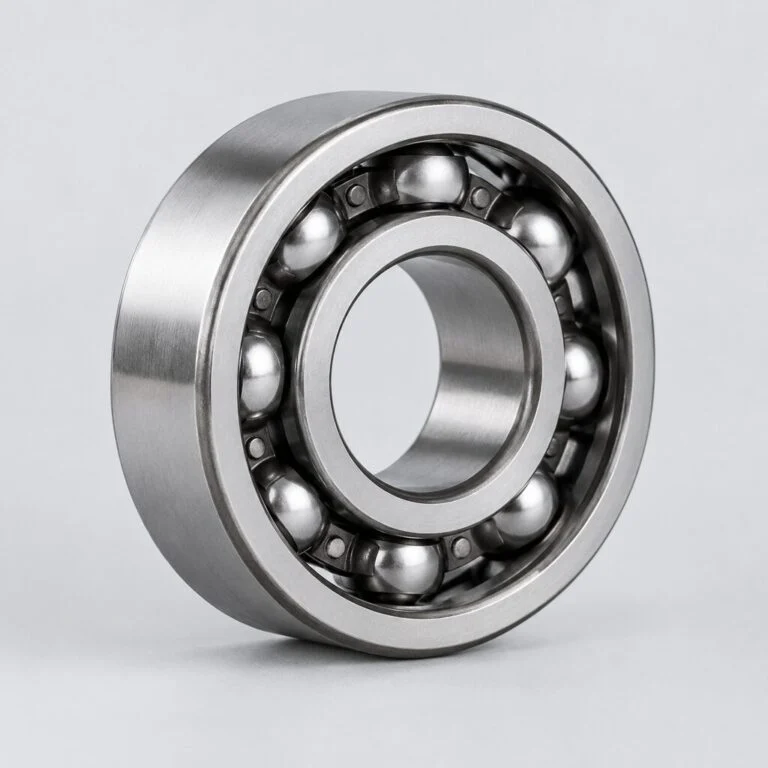
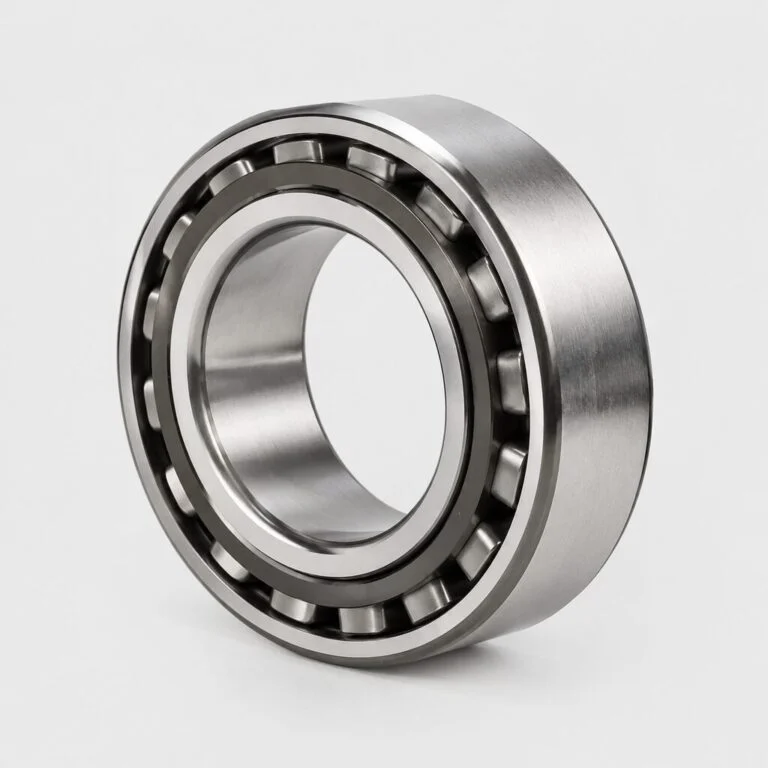
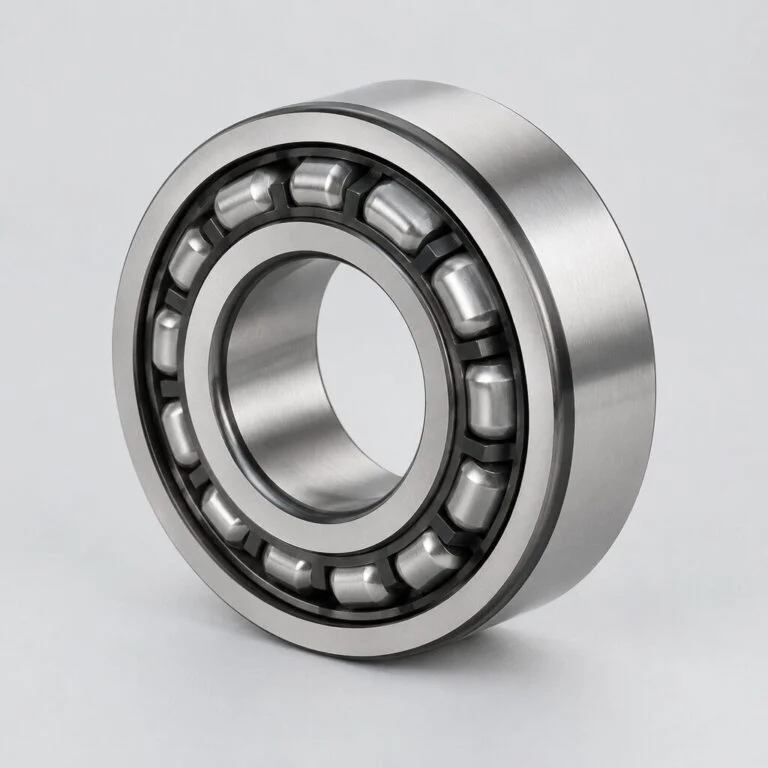
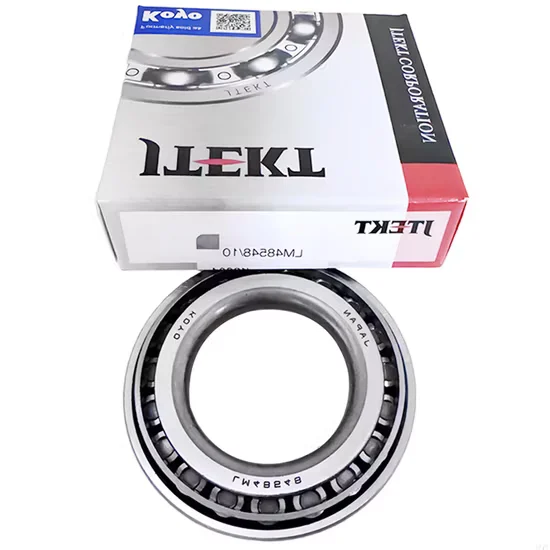
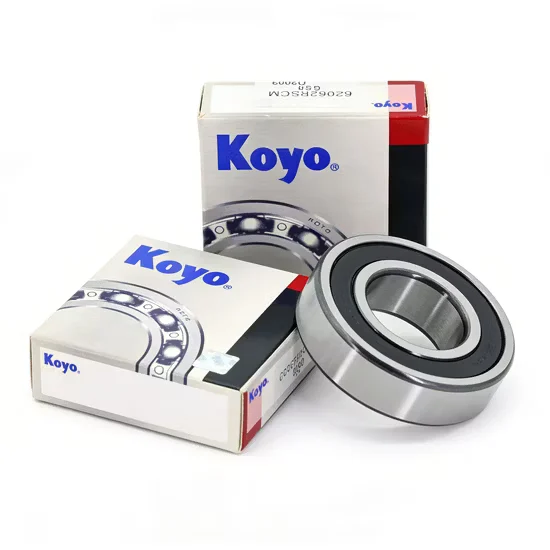
Original Batch Traceability — Every Koyo 31314 31315 31316 31317 31318 tapered roller bearing ships with verifiable factory lot codes to guarantee marine-grade metallurgical integrity.
Technical Specifications
| Parameter | Value |
| Designation | 31314 31315 31316 31317 31318 |
| Bearing Type | Tapered Roller Bearing |
| Number of Rows | Single, Double, Four |
| Material | Bearing Steel |
| Precision Rating | P0, P6, P5, P4, P2 |
| Load Direction | Radial Bearing |
| Specification | Standard size |
Application Suitability
| Industry | Typical Applications |
| Marine Engineering | Deck winch drives and propulsion shaft supports |
| Automotive & Heavy Transport | Wheel hubs and heavy-duty truck axle assemblies |
| Industrial Power Transmission | Marine drives and heavy industrial gearbox shafts |
Why Flame Heating Destroys the Koyo 31314 31315 31316 31317 31318 tapered roller bearing Before It Even Spins
Direct torch application on the outer ring permanently alters the bearing steel microstructure, leading to rapid roller spalling.
During my years overseeing vessel installations in Nigerian ports, I witnessed deck winch repair crews taking shortcuts by heating the outer rings with open flames. This reckless practice destroyed the carefully engineered heat treatment, and within months, the rollers spalled and jammed the entire drum assembly. Such thermal abuse triggers catastrophic surface fatigue that mimics severe overload failures..

Matching Steep Contact Angles to Marine Winch Loads
The steep contact angle design inherent in the Koyo 31314 31315 31316 31317 31318 tapered roller bearing allows it to handle the intense combined loads typical of marine deck machinery. When sourcing replacements for mixed fleets, our cross-reference consultation ensures exact fitment without compromising the original equipment manufacturer's load distribution geometry. Procuring these specific steep-angle variants alongside standard deep-groove ball bearings in a single consolidated shipment eliminates the logistical friction of dealing with fragmented marine suppliers.
Navigating Salt Spray and Heavy Shock Loads on Deck
Marine winches endure severe shock loads during anchor retrieval, demanding bearings that maintain structural rigidity* design requires meticulous external lubrication routines to flush out saltwater contamination and prevent raceway pitting. Furthermore, thermal expansion from continuous heavy operation dictates strict adherence to specified clearance classes during assembly. Inadequate sealing in these highly corrosive environments accelerates surface degradation, making the selection of compatible external seals just as critical as the internal bearing geometry..
Decoding the Standard Designation and Precision Tiers
These standard designations indicate a metric-series steep-angle configuration optimized for high axial load capacity. Constructed from high-purity bearing steel, the rings and rolling elements achieve the necessary core toughness to resist edge loading. The available precision ratings, spanning from P0 up to P2, allow engineers to select the exact rotational tolerance required for high-speed marine drives versus slower winch drums. Depending on the specific housing constraints, single, double, or four-row configurations can be deployed to maximize the load-carrying footprint within the assembly. Selecting the appropriate row configuration directly influences the internal load distribution and the overall rigidity of the shaft support system.
The Cascading Impact of Improper Clearance Selection
Selecting an incorrect internal clearance for a steep-angle application often results in excessive preload during thermal expansion, causing catastrophic cage failure. Unplanned downtime on a vessel far from port incurs massive operational penalties and jeopardizes the entire lifting operation. Premature wear from misaligned load zones typically voids warranty claims and necessitates complete gearbox teardowns..
Securing Traceable Marine Spares Without the Sourcing Headache
Sourcing genuine marine spares often involves fragmented suppliers, but we consolidate mixed-brand packages into single shipments. Every unit is backed by complete traceability documentation, ensuring the metallurgical pedigree matches the harsh offshore environment. Our massive spot inventory covers thousands of standard part numbers, eliminating typical multi-week lead times for urgent winch repairs. Additionally, our technical team provides cross-brand equivalent model consultation to verify fitment when original part numbers are obsolete.
Documentation & Authenticity
- Certificate of Conformity verifying the specific batch codes for these steep-angle configurations.
- Original manufacturer lot traceability reports confirming the bearing steel heat treatment records.
- Dimensional inspection reports validating the P4 or P2 precision tolerances before dispatch.
- Material test certificates proving the metallurgical composition of the rings and rollers.
Storage, Handling & Mounting
- Store the standard size units in their original vapor-corrosion inhibitor packaging until the exact moment of winch assembly.
- Use induction heaters with precise temperature controls for the outer rings; never apply open flame to avoid microstructural damage.
- Maintain strict cleanliness protocols when handling the open bearing variants to prevent salt crystal ingress into the roller paths.
- Verify the axial clearance adjustment using dial indicators after mounting the single-row configurations into the gearbox housings.
Preparing Your Technical Data for Accurate Selection
To ensure precise L10 life calculations and clearance matching, please share the exact radial and axial load profiles along with the operating temperature range of your deck machinery. Providing the original equipment manufacturer's assembly drawings allows our engineering team to verify the cross-reference models and confirm the optimal row configuration. Specify any exposure to seawater or chemical agents so we can recommend the appropriate external sealing and lubrication strategy.
Frequently Asked Questions
Q: How do the 313xx series bearings differ from the 302xx cross-reference models?
A: The 313xx series features a steeper contact angle specifically engineered to accommodate significantly higher axial loads compared to the standard 302xx series. While cross-reference models like 30203 through 30207 share similar dimensional envelopes in some contexts, substituting them without recalculating the load distribution can lead to premature roller skidding under heavy thrust conditions.
Q: What are the differences between P0, P6, P5, P4, and P2 precision ratings?
A: These ratings define the dimensional and running accuracy tolerances of the bearing. P0 is the standard class suitable for general industrial gearboxes, while P6 and P5 offer tighter tolerances for moderate-speed applications. P4 and P2 are ultra-precision classes mandatory for high-speed marine drives where minimal vibration and exact shaft positioning are critical to prevent resonance.
Q: How to verify the authenticity of Koyo tapered roller bearings?
A: Authenticity is confirmed by cross-checking the laser-etched batch codes on the bearing rings against the original manufacturer's production database. We also provide a Certificate of Conformity and material inspection reports that detail the specific heat treatment parameters. Visual inspection of the cage material and roller surface finish further validates the genuine origin of the components.
Q: What are the recommended lubrication and maintenance intervals for marine applications?
A: Marine environments demand frequent lubrication to flush out saltwater and abrasive particulates from the open raceways. The exact interval depends on the winch operational cycle and environmental exposure, but a high-viscosity, water-resistant grease applied through automated systems is typically required. Regular vibration analysis should dictate the re-lubrication schedule rather than relying solely on fixed calendar dates.
Q: How to select the correct number of rows for specific loads?
A: Single-row configurations are ideal for applications where axial thrust is predominantly unidirectional and space is constrained. Double-row variants handle bidirectional axial loads and provide greater radial rigidity for heavy-duty truck axles. Four-row designs are reserved for extreme radial and axial combined loads, such as heavy industrial gearbox shafts, where maximizing the load-carrying footprint within a compact housing is essential.