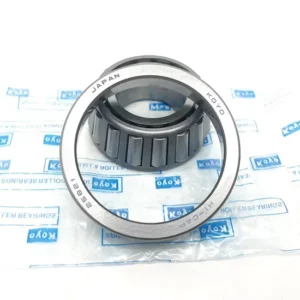
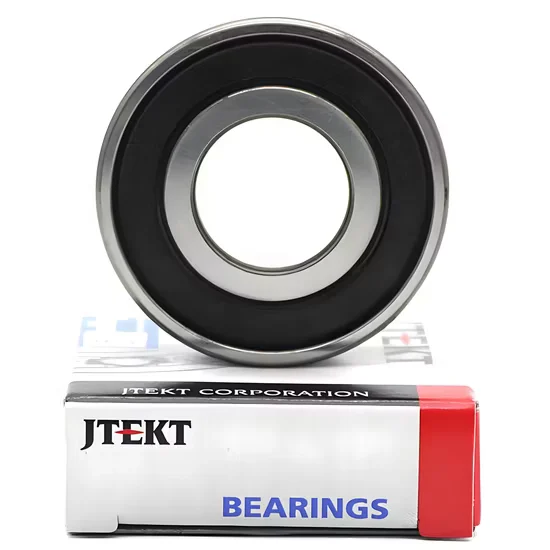
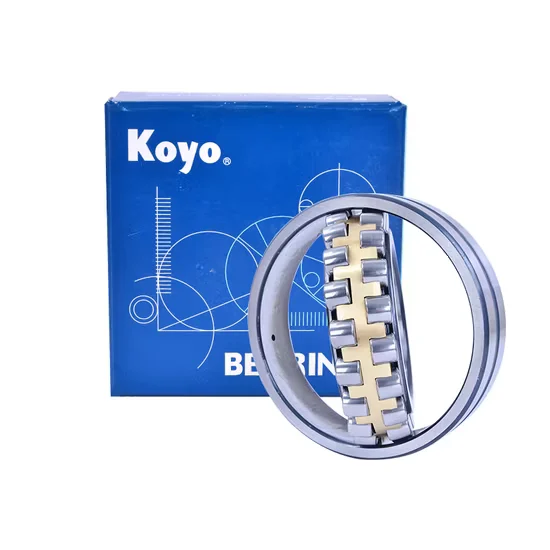
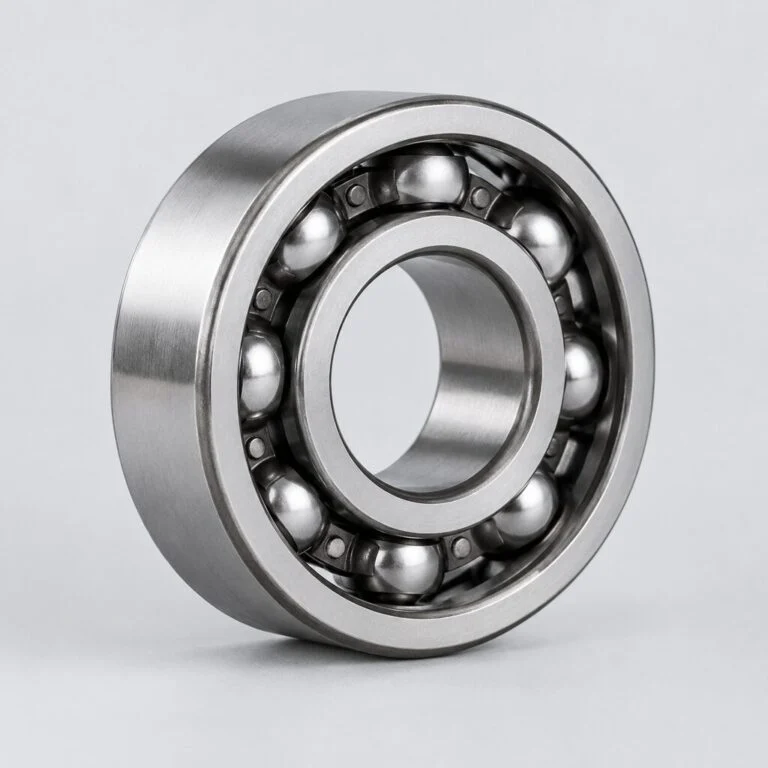
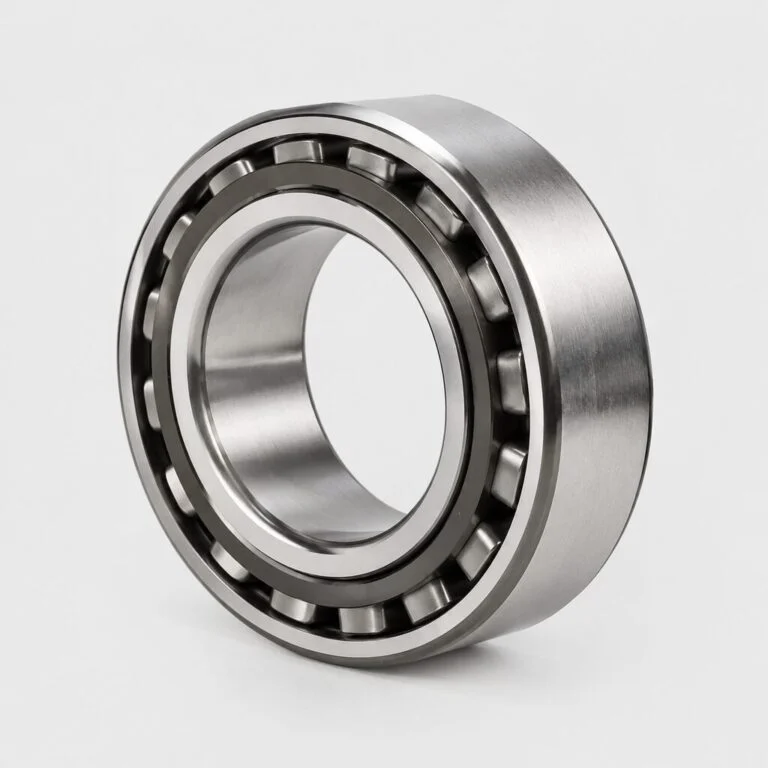
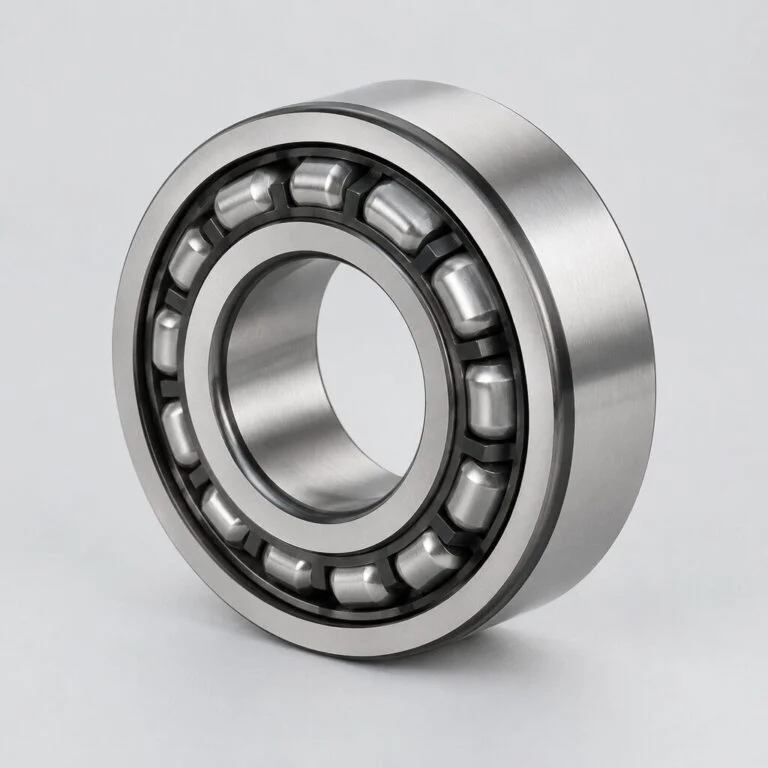
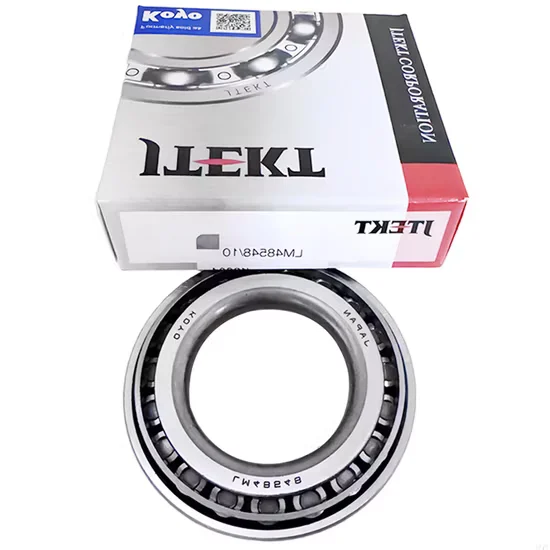
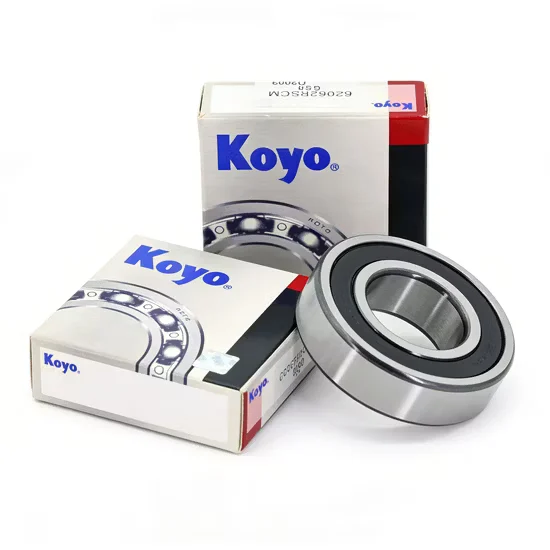
Mixed-Brand Consolidation — Source authentic Koyo taper roller sets alongside SKF or Timken equivalents in a single shipment without juggling multiple vendors.
Technical Specifications
| Parameter | Value |
| Designation | Koyo 32321J2 32320J2 32319J2 32318J2 |
| Bearing Type | Tapered Roller Bearing |
| Material | Chrome Steel Gcr15 |
| Clearance Class | C0/C2/C3/C4 |
| Hardness | HRC58-62 |
| Origin | Shandong, China |
Application Suitability
| Industry | Typical Applications |
| Automotive | Wheel hubs and truck axles requiring high combined load capacity |
| Industrial Manufacturing | Heavy-duty gearboxes and power transmission shafts |
| Maintenance & Repair | Replacement assemblies for general manufacturing plant machinery |
Heat Treatment Shortcuts That Destroy a Koyo 32321J2 tapered roller bearing Before It Spins
Induction heating limits and controlled mounting prevent microstructural degradation in the raceway.
During my early years supporting automotive aftermarket clients in Brazil, I watched mechanics use open-flame torches to heat taper roller bearings for easier assembly. This reckless shortcut caused localized annealing on the inner ring, destroying the carefully engineered microstructure. Within a few thousand kilometers, the rollers exhibited severe spalling due to the compromised surface hardness. Proper mounting protocols and controlled induction heating are non-negotiable to preserve the metallurgy and prevent costly warranty claims.

Matching Taper Geometry to Drivetrain Loads
The conical internal geometry is specifically engineered to resolve combined radial and axial forces inherent in axle and gearbox environments. When sourcing a Koyo 32321J2 tapered roller bearing, ensuring the correct contact angle matches the operational thrust load is critical. Our engineering team provides cross-brand equivalent model consultation to verify that the selected taper geometry aligns perfectly with your specific drivetrain requirements.
Managing Thermal Expansion and Contamination in Axle Hubs
Truck axles and industrial gearboxes generate substantial operational heat, which directly impacts internal clearance and lubricant film thickness. Selecting the appropriate clearance class compensates for thermal expansion and interference fits during assembly. Furthermore, these environments are heavily exposed to road debris and metallic particulates, making effective sealing and regular relubrication intervals essential to prevent abrasive wear on the rolling elements.
Decoding Clearance Classes and Material Hardness
The availability of C0, C2, C3, and C4 clearance options allows precise tuning for different thermal and mechanical conditions. A C3 or C4 clearance is typically specified for automotive wheel hubs where tight interference fits and high operating temperatures reduce internal play. The components are manufactured from Chrome Steel Gcr15, achieving a surface hardness of HRC58-62 to resist brinelling under heavy static loads. These material properties ensure stable performance and low noise operation across demanding drive systems.
The Downtime Cascade From Incorrect Taper Selection
Specifying an incorrect clearance class or mismatching the cup and cone assembly leads to excessive preload or internal looseness. This misalignment accelerates fatigue, resulting in unplanned downtime and catastrophic damage to adjacent shaft and housing components. According to established failure analysis frameworks, improper mounting and incorrect internal clearance account for a significant share of premature failures in heavy-duty applications.
Securing Authentic Taper Sets with Full Traceability
Counterfeit taper rollers often exhibit inconsistent hardness and poor roller profile accuracy, leading to rapid edge loading and noise. We supply genuine original bearings with complete traceability documentation, ensuring every Koyo 32321J2 32320J2 32319J2 32318J2 unit is strictly verifiable. Our massive spot inventory covers thousands of standard part numbers, allowing flexible MOQ from single-unit emergency spares to full container consolidation shipments. We also provide technical selection support and long-term after-sales guidance for failure analysis, ensuring your maintenance team avoids the costly assembly mistakes I witnessed in the field.
Documentation & Authenticity
- Certificate of Conformity validating the exact Koyo batch number for these taper sets.
- Original factory traceability documents linking each 32319J2 unit to its production date.
- Material inspection reports confirming Gcr15 chrome steel chemistry and HRC58-62 hardness.
- Dimensional inspection records verifying taper angle and roller profile tolerances before dispatch.
Storage, Handling & Mounting
- Store the 32320J2 units in original packaging to protect the precision-machined raceways from ambient humidity.
- Use controlled induction heating for taper roller assemblies; open-flame torching causes localized annealing and premature spalling.
- Maintain strict cleanliness when handling C3 clearance variants to prevent debris indentation on the rollers.
- Verify the matching cone and cup part numbers before pressing the 32318J2 assemblies into the housing.
Engineering Data Required for Fitment Verification
To ensure optimal service life, please share your operational parameters including radial and axial loads, rotational speed, and operating temperature. Providing the OEM equipment number or existing housing dimensions allows our technical team to perform accurate L10 life calculations and cross-reference verification. This data ensures the selected taper assembly perfectly matches your specific mechanical and thermal constraints.
Frequently Asked Questions
Q: How to verify the authenticity and traceability of Koyo tapered roller bearings?
A: Authenticity is confirmed through original factory batch traceability documents and Certificates of Conformity that link each unit to its specific production run. We provide complete quality assurance documentation, allowing buyers to verify the exact manufacturing origin and material specifications. This full traceability ensures you receive genuine components rather than unverified aftermarket substitutes.
Q: What does the J2 suffix indicate, and how does it impact cage material selection?
A: The J2 suffix is currently an unverified designation that requires manufacturer catalog confirmation to determine its exact meaning regarding cage material or internal geometry. Before finalizing your procurement, our engineering team will cross-reference this specific suffix with official technical documentation to ensure the cage design matches your application's speed and vibration requirements.
Q: How to choose the correct clearance class for automotive and gearbox applications?
A: Selecting between C0, C3, or C4 depends on the interference fit and operational temperature of the assembly. Automotive wheel hubs typically require C3 or C4 clearance to compensate for thermal expansion and tight press fits, preventing excessive internal preload. Gearbox applications might utilize standard C0 clearance if the operating temperatures and shaft tolerances remain within conventional limits.
Q: What are the exact cross-reference equivalents for the 32321J2 series in other premium global brands?
A: Cross-referencing taper roller series across premium global brands requires matching the exact bore, outside diameter, width, and contact angle. While we can supply equivalent models from SKF, Timken, or NSK, the exact part number depends on the specific load ratings and internal geometry required. Share your OEM equipment details so we can identify the precise interchangeable designation.