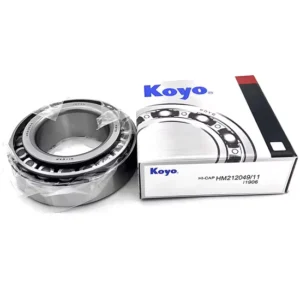
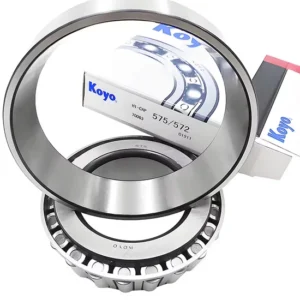
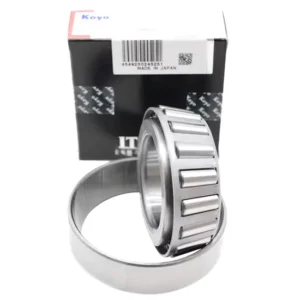
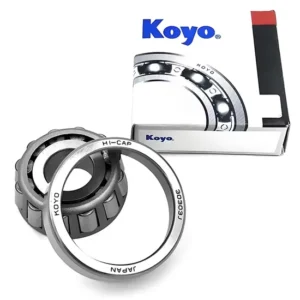
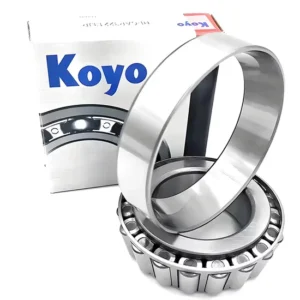
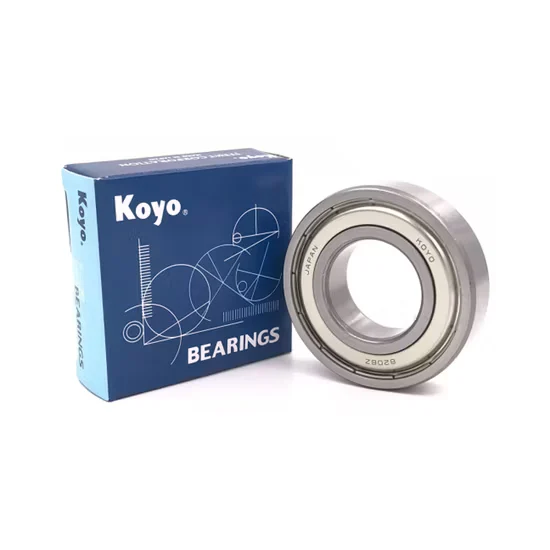
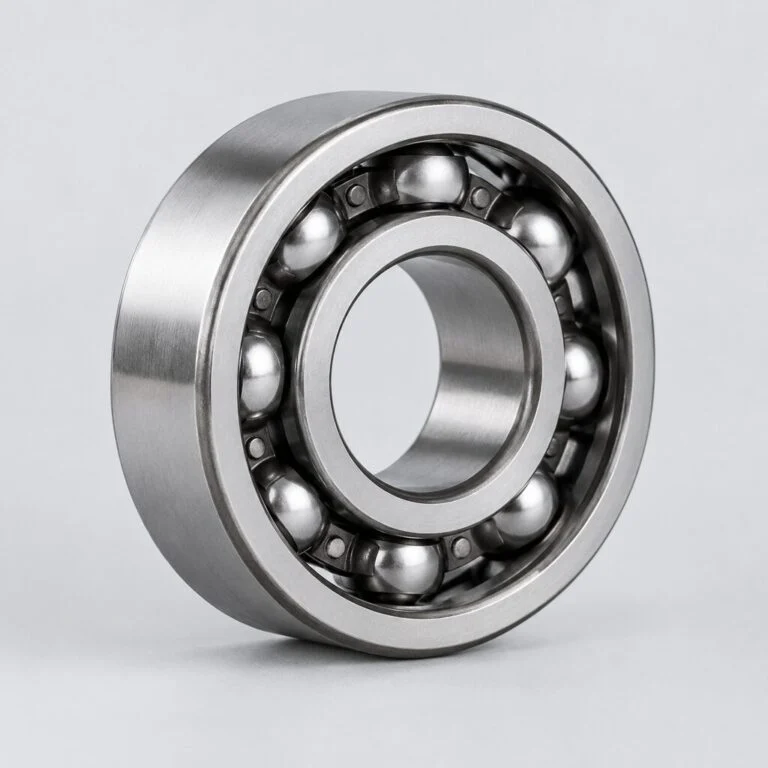
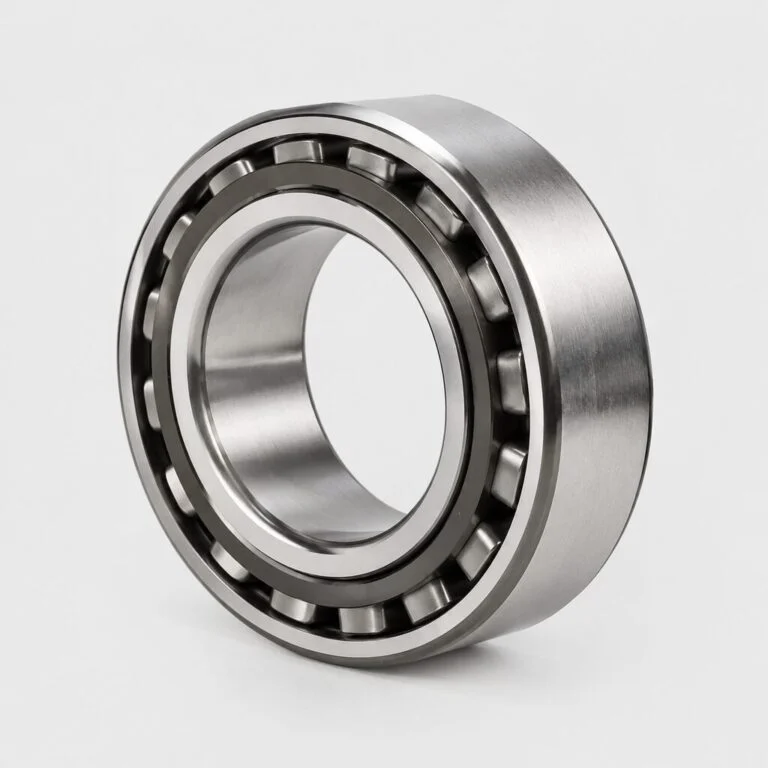
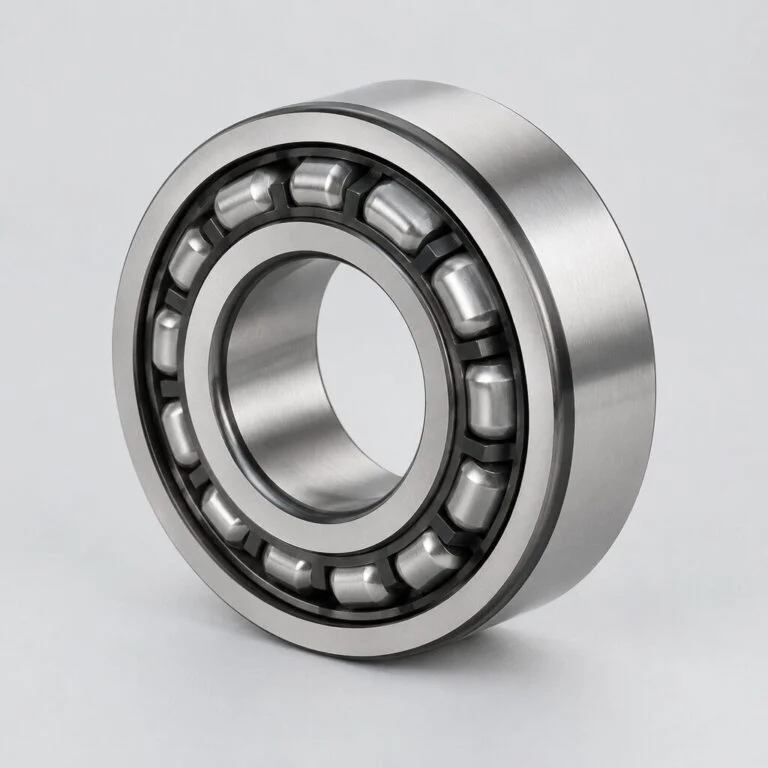
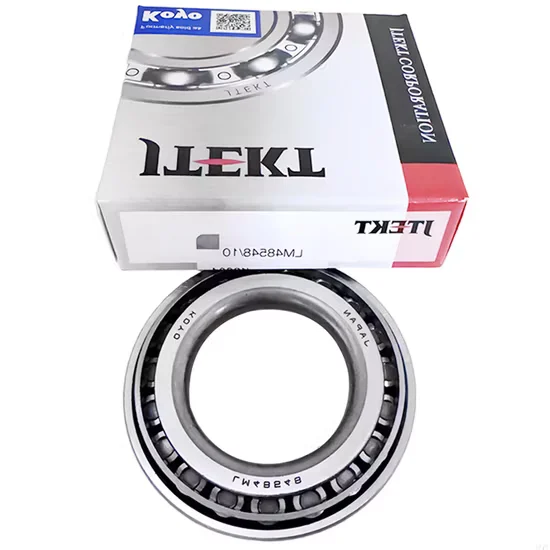
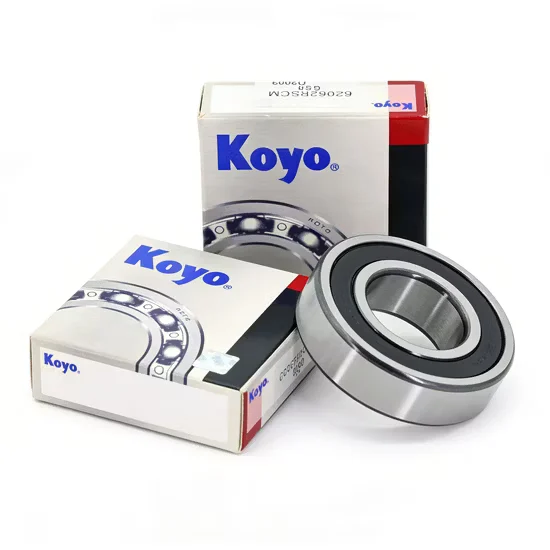
Cross-Reference Alignment — We verify dimensional and load equivalence across global catalogs before dispatching your Koyo 32319 32320 32321 32324 32326 tapered roller bearing shipment.
Technical Specifications
| Parameter | Value |
| Designation | Koyo 32319 32320 32321 32324 32326 |
| Bearing Type | Tapered Roller Bearing |
| Precision Class | P0, P6, P5, P4, P2 |
| Vibration Level | Z1V1, Z2V2, Z3V3 |
| Clearance Class | Normal internal clearance |
| Design | Standard design, open type |
| Origin | Japan |
Application Suitability
| Industry | Typical Applications |
| Automotive | Wheel hubs and truck axles |
| Industrial | Heavy-duty gearboxes and reducers |
| Marine | Marine drive propulsion systems |
| Heavy Equipment | Construction machinery final drives |
Why Mixed-Batch Sourcing Fails Your Koyo 32319 32320 32321 32324 32326 Tapered Roller Bearing Fleet
Inconsistent internal clearances across mixed production batches cause uneven load distribution, accelerated thermal buildup, and premature raceway spalling.
When managing heavy-duty drivetrains, receiving bearings from different production lots often leads to mismatched preload settings during assembly. I once diagnosed a massive conveyor drive failure in a copper mining operation because the maintenance crew assumed uniform clearance across a mixed batch of tapered rollers, effectively locking up the main shaft within hours of startup. Sourcing a consolidated Koyo 32319 32320 32321 32324 32326 tapered roller bearing package from a single verified lot eliminates this dangerous guesswork and ensures predictable thermal expansion behavior.

Matching Tapered Geometry to High-Thrust Environments
The conical raceway design inherently handles combined radial and axial loads, making the Koyo 32319 32320 32321 32324 32326 tapered roller bearing ideal for truck axles and industrial gearboxes. Our technical team cross-checks your specific thrust-to-radial load ratios against the manufacturer's dynamic load ratings to ensure the selected precision class prevents edge loading. This targeted selection prevents the catastrophic cage failures and raceway smearing we frequently diagnose in poorly specified heavy equipment, ultimately securing your production uptime.
Managing Shock Loads and Contamination in Drivetrains
Heavy equipment and marine drives constantly endure severe shock loads and abrasive particulate ingress. Open-type designs require careful external sealing arrangements and precise relubrication intervals to flush out contaminants before they score the roller paths. In high-vibration gearboxes, selecting a Z3V3 vibration level ensures smoother operation and reduces the risk of lubricant film breakdown under dynamic stress. Ignoring these environmental factors drastically accelerates surface fatigue and leads to unexpected line stoppages.
Decoding Precision Grades and Vibration Limits
The available P0 to P2 precision classes dictate the running accuracy and noise output of the assembly. For high-speed industrial gearboxes, upgrading to P5 or P4 minimizes eccentricity and maintains a stable lubricant film at elevated rotational speeds. Similarly, the Z1V1 to Z3V3 vibration classifications reflect the internal surface finish and roller sorting strictness. A Z3V3 rating is critical for automotive wheel hubs where cabin noise and NVH standards are stringent. The standard internal clearance and open design allow engineers to dial in the exact operational preload during the mounting phase, accommodating thermal expansion in heavy-duty applications without inducing excessive friction.
The Operational Toll of Incorrect Preload and Grade Selection
Specifying an inadequate precision grade or ignoring vibration limits inevitably leads to unplanned downtime and catastrophic damage to adjacent gearbox components. When the internal clearance is not correctly adjusted for the operational temperature, the rollers skid rather than roll, causing severe smearing and premature failure. Such misalignments void warranty claims and escalate maintenance costs far beyond the initial component price. Adhering to standardized failure mode classifications helps engineers recognize these hidden risks before deployment and implement corrective mounting protocols.
Securing Traceable Authenticity for Critical Drivetrain Components
Counterfeit tapered roller bearings often exhibit substandard heat treatment, leading to rapid raceway spalling under heavy thrust loads. We supply genuine Japanese-manufactured units with complete batch traceability, ensuring the metallurgical integrity required for mining and marine applications. Our flexible consolidation service allows you to mix these specific part numbers with other maintenance spares in a single shipment, avoiding the delays of juggling multiple vendors. Furthermore, our engineering support provides exact cross-brand equivalent model consultation if an urgent replacement is needed before your primary stock arrives. Every shipment includes rigorous dimensional verification to guarantee the correct fitment and prevent costly installation rework.
Documentation & Authenticity
- Certificate of Origin confirming Japanese manufacturing for all Koyo tapered roller units.
- Anti-counterfeit label verification on individual packaging to guarantee authentic JTEKT production.
- Dimensional inspection reports validating P4 or P2 tolerances before dispatch.
- Original batch traceability documents linking each bearing to its specific heat-treatment lot.
Storage, Handling & Mounting
- Store open-type bearings in original packaging to prevent humidity-induced corrosion on the precision-ground raceways.
- Use induction heaters for cylindrical bore mounting, strictly avoiding direct flame to preserve the P5 dimensional accuracy.
- Adjust the axial clearance precisely during assembly, as the open design relies on the housing for final preload.
- Keep Z3V3 graded components isolated from high-vibration machinery during storage to protect the finely finished roller surfaces.
Engineering Review for Optimal Drivetrain Integration
To ensure optimal performance and avoid premature drivetrain failures, please share your specific radial and axial load profiles, operating temperatures, and target rotational speeds. Providing the exact OEM equipment model numbers allows our technical team to perform a comprehensive L10 life calculation and verify cross-reference compatibility across global catalogs. Detailing the environmental exposure, such as heavy dust ingress or high moisture, helps us recommend the most appropriate external sealing and lubrication strategy for your specific application.
Frequently Asked Questions
Q: How do I verify the authenticity of my Koyo 32319 32320 32321 32324 32326 tapered roller bearing delivery?
A: Inspect the individual packaging for intact JTEKT anti-counterfeit labels and scan the provided QR codes using the official manufacturer application. We also supply original certificates of origin and batch traceability documents that link your specific bearings to their Japanese production lot, ensuring complete metallurgical transparency.
Q: What are the primary dimensional differences across the 32319 to 32326 series?
A: These designations represent a progressive increase in bore diameter, outside diameter, and width to accommodate higher load capacities. While the fundamental tapered geometry remains consistent, the dynamic and static load ratings scale significantly. Engineers must consult the official catalog to match the exact envelope dimensions to their housing and shaft specifications.
Q: How should I select the appropriate precision class for heavy-duty industrial gearboxes?
A: Standard P0 or P6 classes suffice for general low-speed reducers, but high-speed or high-precision gearboxes demand P5 or P4 grades to minimize running eccentricity and vibration. Upgrading the precision class ensures a stable lubricant film, reduces operational noise, and extends the fatigue life of the gear train under continuous heavy loading.
Q: What is the correct procedure for adjusting internal clearance during installation?
A: Since these are open-type bearings, the internal clearance is not pre-set at the factory. Installers must mechanically adjust the axial position of the shaft or housing nut during assembly to achieve the specified operational preload. Proper adjustment prevents roller skidding at high speeds and accommodates thermal expansion during heavy-duty operation.
Q: How do Z1V1 to Z3V3 vibration levels impact automotive wheel hub lifespan?
A: Higher vibration grades like Z3V3 indicate stricter control over roller sorting and raceway surface finishes, resulting in significantly smoother rotation. In automotive wheel hubs, this minimizes NVH transmission to the chassis and prevents localized stress concentrations, thereby extending the operational lifespan of the hub assembly under dynamic cornering loads.