
Motorcycle Bearings for Asia & Africa Markets: Wholesale Supplier
Cheap bearings do not save money; they destroy brand reputation.
For wholesalers targeting the 2026 motorcycle market in Asia and Africa, the core requirement is sourcing rugged bearings with multi-lip seals and high-temperature grease that can withstand unpaved roads, extreme dust, and heavy overloading. Standard single-seal units fail rapidly in these conditions, leading to costly warranty claims and lost customer trust. Success depends on selecting components designed for harsh environments rather than minimizing unit price.
The shift in demand is palpable. In Lagos, during the peak of the wet season, I watched a distributor’s warehouse fill with returned wheel hubs. The bearings inside were not worn out from mileage; they were packed with mud and rusted solid. The client had chosen the lowest bidder, assuming all steel rings performed equally. They did not. The single rubber seal on those cheap units offered no resistance to the fine, abrasive dust mixed with rainwater that characterizes rural transport routes. This was not an isolated incident. It reflected a broader misunderstanding of what “value” means in emerging markets.
Understanding this dynamic is critical for any serious motorcycle bearing suppliers Africa or Asia-focused operation. The market is no longer just about moving boxes; it is about providing reliability that keeps fleets running.
What is driving the 2026 motorcycle demand in Asia and Africa?
Urbanization and the expansion of rural logistics are making two-wheelers the backbone of local economies.
Motorcycles are not merely personal transport in these regions; they are commercial assets. In South Asian villages, they carry loads far exceeding their design specifications, transporting agricultural produce and construction materials over unpaved tracks. In East African cities, ride-hailing fleets log immense daily mileage, turning every component into a frequent maintenance item. This intense usage profile changes the procurement logic for aftermarket wholesalers.
The World Bank data on road infrastructure indicates that a significant portion of rural roads in these continents remains unpaved or poorly maintained. This reality means that motorcycles operate in a constant state of vibration and shock loading. For a bearing, this translates to micro-movements between the roller and raceway, which can lead to fretting corrosion if the lubricant film is compromised.
I recall visiting a logistics hub in rural India where delivery bikes were used as mini-trucks. The owners were not concerned with top speed; they cared about whether the rear wheel would seize after a week of hauling cement bags. Standard automotive bearings, designed for smooth highways and moderate loads, struggled here. The demand is shifting toward components that can handle these abusive conditions. This is why the Asia motorcycle aftermarket trends 2026 show a clear preference for durability over initial cost savings.
Wholesalers who recognize this trend are adjusting their inventories. They are moving away from generic, low-cost options and seeking out rugged bearings for harsh roads that offer verified performance. The growth in this sector is driven by the need for uptime. A broken motorcycle means a lost day’s income for the rider. Therefore, the parts that keep them running command a premium in terms of loyalty and repeat business.
Why do standard bearings fail in these emerging markets?
Dust, mud, and chronic overloading exceed the protection levels of standard IP ratings.
Most standard motorcycle bearings are designed with a single lip seal and basic grease. This configuration works well in Europe or North America, where roads are paved and weather is relatively predictable. However, in many parts of Africa and Asia, the environment is hostile. The dust is finer, more abrasive, and omnipresent. When combined with seasonal rains, it creates a slurry that acts like grinding paste against bearing surfaces.
Consider the seal design. A standard single-contact seal relies on light interference to keep contaminants out. Under heavy radial loads, such as those experienced by a overloaded delivery bike, the inner ring can deflect slightly. This deflection creates a gap between the seal lip and the rotating component, allowing contaminated air to be pumped into the bearing cavity. Once inside, the abrasive particles score the raceways, leading to rapid noise generation and eventual seizure.
| Failure Factor | Standard Bearing Specification | Harsh Environment Requirement |
|---|---|---|
| Seal Type | Single lip rubber | Multi-lip or labyrinthine design |
| Grease Base | Standard lithium | High-viscosity, water-resistant complex |
| Load Capacity | Standard dynamic rating | Reinforced cage and higher static load |
| Contaminant Resistance | Basic dust protection | Robust defense against mud and fine silica |
I once analyzed a batch of failed front wheel bearings from West Africa. The outer races showed distinct scoring patterns consistent with hard particle ingestion. The grease had turned black and gritty within months of installation. The root cause was not material fatigue but environmental intrusion. The standard seals simply could not cope with the volume of fine dust kicked up by unpaved roads.
This is why many buyers initially attracted to low prices end up paying more in the long run. The cost of replacing a bearing is minor compared to the labor and downtime associated with a wheel rebuild. For motorcycle bearing suppliers Africa markets, explaining this technical distinction is key to converting price-sensitive buyers into value-conscious partners.
How to select the right bearing specs for harsh environments?
Focus on multi-lip seals and high-temperature, water-resistant grease formulations.
Selecting the correct bearing for these markets requires looking beyond the part number. It demands an understanding of the operational environment. The first critical specification is the seal. Multi-lip seals create multiple barriers against contaminants. Even if one lip is compromised by debris, the others maintain integrity. Some advanced designs incorporate a labyrinthine path that forces incoming air to change direction repeatedly, dropping out heavy particles before they reach the rolling elements.
Grease selection is equally vital. Standard greases may wash out when exposed to standing water or break down under the high temperatures generated by heavy braking and continuous friction. High-performance greases with higher dropping points and superior water resistance ensure that the lubricating film remains intact.
Another factor is the cage material. In high-vibration environments, a robust cage prevents roller skewing and maintains proper spacing. Steel cages are often preferred over polymer ones in heavy-load applications because they offer greater structural integrity under shock loads.
When I advise clients on sourcing, I emphasize checking the manufacturer’s documentation for seal type and grease specifications. It is not enough to assume that a bearing labeled for “motorcycle use” is suitable for rural Africa. The term is too broad. Specificity matters. Look for bearings explicitly rated for severe service or off-road conditions.
This approach aligns with the growing demand for rugged bearings for harsh roads. Wholesalers who stock these specialized items differentiate themselves from competitors who only offer generic replacements. They become trusted advisors rather than just box movers.
How can wholesalers optimize mixed-brand sourcing?
Consolidate genuine brands to balance cost and reliability while simplifying logistics.
Sourcing from multiple manufacturers can be complex. Each brand has its own packaging, documentation, and quality control processes. However, relying on a single brand may limit flexibility or increase costs. The solution is to work with a supplier who can consolidate genuine products from various premium brands into a single shipment. This allows wholesalers to offer a range of price points and performance levels to their customers.
For instance, a wholesaler might stock premium brands like SKF or NSK for high-end fleet operators who prioritize maximum uptime. Simultaneously, they can offer reliable domestic Chinese lines like ZWZ for budget-conscious individual riders. The key is ensuring that all products are genuine and traceable. Counterfeit bearings are a significant risk in these markets, and selling them can destroy a distributor’s reputation overnight.
I have seen distributors lose major contracts because a single batch of counterfeit bearings failed prematurely. The fallout was not just financial; it was reputational. Customers lost faith in the supplier’s ability to vet their supply chain. By partnering with a supplier who provides full traceability documentation and authenticates every unit, wholesalers mitigate this risk.
Mixed-container consolidation also reduces shipping costs per unit. Instead of ordering small batches from different factories, a wholesaler can fill a container with a curated mix of SKUs. This efficiency translates to better margins and more competitive pricing for end-users. It also ensures that popular sizes are always in stock, reducing lead times for urgent repairs.
This strategy supports the evolving needs of the Asia motorcycle aftermarket trends 2026. Buyers are looking for partners who can provide both variety and reliability. They want the convenience of one-stop sourcing without compromising on quality.
Conclusion
Reliability is the new currency in emerging motorcycle markets.
The 2026 landscape in Asia and Africa rewards suppliers who understand the harsh realities of local road conditions. Standard bearings fail because they are not designed for dust, mud, and overload. Success comes from specifying rugged components with superior sealing and lubrication. Wholesalers who educate their customers on these technical differences build lasting loyalty. By consolidating genuine brands and focusing on verified performance, distributors can meet the growing demand for durable aftermarket solutions.
Mentioned in this article
Koyo / JTEKT bearings from this guide
These are the Koyo / JTEKT bearing types discussed above. Open any product to check its details, or quote it together with the rest of your repair.
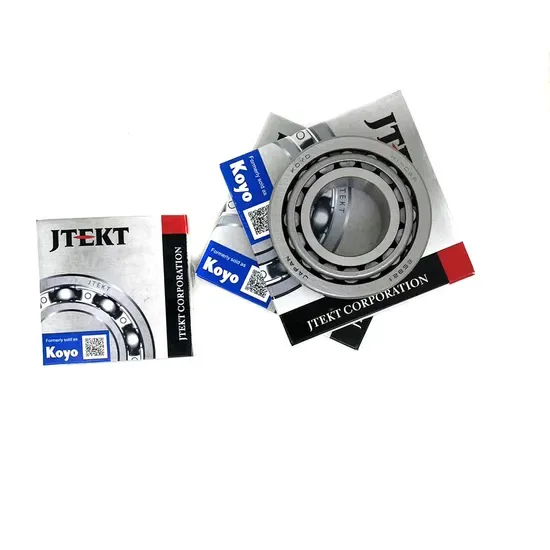
Tapered Roller Bearings
X&S Tapered Roller Bearing 33115 33116 33117 33118 33119 for Truck Motorcycle
View Product
Deep Groove Ball Bearings
Japan 6201/6202/6301-2RS/Zz Deep Groove Ball Bearing for Motorcycle
View Product
Deep Groove Ball Bearings
KOYO 6007 ZZ 2RS Open Deep Groove Ball Bearings for Motorcycle Parts
View Product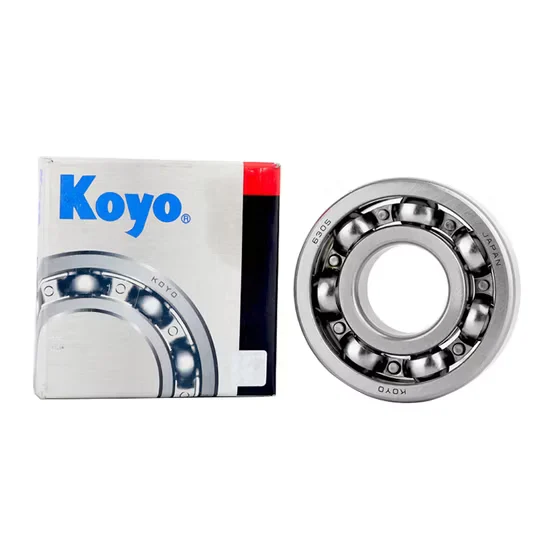
Deep Groove Ball Bearings
KOYO Bearing 6005 6006 6300-6309 Motorcycle Deep Groove Ball Bearings Japan
View ProductKeep reading
More bearing selection guides for repair shops
Practical guides from KOYO Bearing Supplier on identifying Koyo / JTEKT bearings for farm machinery, construction equipment and power transmission repairs.
 News & Cases
· 7 min read
EV Transmission Bearings Wholesale Supplier 2026 Trends
Master EV Transmission Trends 2026 by prioritizing strict supply chain compliance over price to prevent costly port delays. Verify batch traceability and accurate HS…
Read the Guide News & Cases · 7 min read
Genuine SKF FAG NSK Bearings Wholesale Supplier for Auto Aftermarket 2026
Navigate the 2026 Auto Aftermarket Outlook by securing genuine SKF, FAG, and NSK bearings to avoid costly refurbished part failures. Prioritize strict traceability over…
Read the Guide News & Cases
· 7 min read
Bearing Parts Store Fill Rate Improvement: Wholesale Supplier
Struggling with stockouts? Achieve parts store fill rate improvement by shifting from single-brand reliance to multi-brand mixed-batch consolidation. This strategy covers rare emergency models…
Read the Guide
Bearing enquiry
Send your machine details. Get a written Koyo / JTEKT quote.
KOYO Bearing Supplier quotes a single bearing position or every bearing in an assembly on one enquiry, matched to your machine model and application, with model, quantity, price, lead time and quote validity in writing.
- WhatsApp+1 (702) 981-5880
- Emailinfo@koyoome.com
- Address8 Research Drive, Greenville, SC 20627, USA
"When a Koyo bearing failed on a harvest machine during the season, we needed a replacement urgently. The supplier identified the correct Koyo reference, shipped same-day, and the machine was back in the field within the day."

Request a Bearing Quote
Tell us the machine and the bearing position. Photos of the markings can follow on WhatsApp.