
Koyo Bearings for EV Drivetrains Wholesale Supplier
Standard deep-groove bearings do not fail in electric vehicles because of excessive load. They fail because standard steel cages disintegrate under the centrifugal forces generated by 20,000 RPM motor speeds.
Selecting genuine Koyo bearings for EV drivetrains requires strict validation of insulation coatings and internal clearances specifically designed for high-speed e-axles, rather than relying on basic model number matching from legacy automotive catalogs.
I still remember the smell of burnt gear oil in a workshop outside Johannesburg. We were retrofitting a fleet of electric mining haulers, swapping out diesel powertrains for high-torque electric motors. The spec sheet called for a standard deep-groove ball bearing. It looked right. The dimensions matched. But within three months, every single transmission in that batch had seized. When we cracked open the housings, we did not find worn raceways. We found shredded metal fragments from the bearing cages, mixed into the lubricant like metallic confetti. The high rotational speed had thrown the standard cage apart, causing catastrophic secondary damage to the gears. That failure taught me that in the world of electric mobility, a bearing is not just a rolling element; it is a critical component in a high-frequency electrical system.
This is why distributors and MRO specialists must look beyond the part number. The shift to electric propulsion has changed the physics of bearing selection. If you are sourcing Koyo Bearings for EV Drivetrains, you are not just buying steel rings. You are buying a solution to stray currents, thermal expansion, and extreme rotational dynamics.
Why Standard Bearings Fail in 20,000 RPM EV Drivetrains?
In traditional internal combustion engines, bearings rarely see sustained speeds above 6,000 or 7,000 RPM. Electric motors, however, routinely operate at 15,000 to 20,000 RPM or higher to maximize power density. This difference is not linear; it is exponential in terms of stress.
The primary culprit is the cage. In a standard bearing, the cage is often made from stamped steel or simple polymer. At 20,000 RPM, the centrifugal force acting on the cage balls becomes immense. If the cage material or design is not optimized for these speeds, it will deform or fracture. Once the cage fails, the rolling elements lose their spacing, collide, and generate heat rapidly. This leads to immediate seizure.
Another factor is lubrication. High speeds cause churning, which can lead to lubricant starvation if the bearing design does not facilitate proper oil flow. Standard grease may not withstand the shear forces generated at these velocities, leading to breakdown and loss of film thickness.
| Failure Mode | Standard Automotive Bearing | EV-Specific Koyo Bearing |
|---|---|---|
| Cage Material | Stamped Steel / Standard Polymer | Reinforced Polymer / Special Alloy |
| Speed Rating | Optimized for < 8,000 RPM | Optimized for > 20,000 RPM |
| Lubrication Compatibility | General Purpose Grease | High-Speed Low-Churn Formulation |
| Centrifugal Resistance | Basic | Enhanced Structural Integrity |
A European wind farm operator once reported similar issues when repurposing generator bearings for a new high-speed test rig. The bearings lasted only a fraction of their expected life. The root cause was not load capacity, but speed-induced cage fatigue.
When you source Koyo Bearings for EV Drivetrains, ensure the product data sheet explicitly states suitability for high-speed applications. Do not assume that a bearing rated for a car wheel hub will survive in an e-axle motor. The engineering requirements are fundamentally different.
How to Verify KOYO EV-Specific Insulation Coatings?
Electric motors generate stray shaft currents. These currents seek the path of least resistance to the ground, often passing through the bearings. When this current arcs across the rolling elements, it causes electrical discharge machining (EDM) effects on the raceways. This results in pitting, fluting, and premature failure.
To prevent this, EV-specific bearings feature insulation coatings. These are typically ceramic or resin-based layers applied to the outer ring or sometimes both rings. The goal is to break the electrical circuit through the bearing.
However, not all coatings are created equal. A common mistake in the wholesale market is accepting bearings with inconsistent coating thickness. If the coating is too thin, it may break down under voltage spikes. If it is too thick, it can affect the fit and heat transfer.
| Inspection Point | Acceptable Standard | Risk Indicator |
|---|---|---|
| Coating Continuity | Uniform, No Voids | Visible Patches or Thin Spots |
| Adhesion | Strong, No Peeling | Flaking During Handling |
| Thickness Tolerance | Within Micron-Level Spec | Significant Deviation from Nominal |
| Traceability Code | EV-Specific Batch ID | Generic or Missing Code |
I once inspected a wholesale batch of bearings claimed to be insulated for EV use. The packaging looked authentic, but the traceability codes were generic. Upon closer inspection with a micrometer, the coating thickness varied significantly across the outer ring. This inconsistency meant that under thermal expansion, some areas would lose insulation contact, while others might crack. We rejected the entire batch.
When evaluating Koyo Bearings for EV Drivetrains, demand documentation that verifies the insulation resistance values. Genuine products will have specific batch-level data confirming the coating meets the required dielectric strength. Do not rely on visual inspection alone. Ask for the test reports.
What Internal Clearance is Required for e-Axle Thermal Growth?
Thermal management is critical in EVs. Motors and inverters generate significant heat, which transfers to the bearings. As temperature rises, the bearing components expand. If the internal clearance is not sufficient, this expansion can lead to pre-load, causing increased friction, heat generation, and eventual failure.
Many buyers mistakenly believe that C3 clearance is a universal fix for thermal expansion. This is a dangerous oversimplification. In some high-speed EV applications, C3 clearance can actually cause skidding at startup or under light loads, leading to wear. Conversely, insufficient clearance leads to overheating.
For many e-axle applications, C4 or even C5 clearances are required. These larger clearances accommodate the thermal growth of the shaft and housing without inducing harmful pre-loads. However, the exact requirement depends on the specific motor design, operating temperature range, and fit tolerances.
| Clearance Class | Typical Application | Risk in EV E-Axle |
|---|---|---|
| C2 | Precision, Low Temp | High Risk of Seizure due to Expansion |
| C3 | General Industrial | Potential Skidding or Insufficient Expansion Room |
| C4 | High Temp / High Speed | Often Required for EV Thermal Management |
| C5 | Extreme Conditions | Specific High-Performance Applications |
A mining equipment manufacturer in South America faced repeated failures in their electric shovel drivetrains. The issue was traced back to using C3 clearance bearings in a high-heat environment. Switching to C4 clearance resolved the thermal locking issues.
When selecting Koyo Bearings for EV Drivetrains, consult the technical datasheets for recommended clearance classes based on your specific operating conditions. Do not guess. The difference between C3 and C4 can mean the difference between a two-year service life and a three-month failure cycle.
How to Source Genuine KOYO EV Bearings Globally?
The market for EV components is flooded with counterfeits. Fake bearings may look identical to genuine products but lack the specialized materials, coatings, and precision engineering required for high-speed electric drivetrains. Using counterfeit bearings in an EV application is a recipe for disaster.
Sourcing genuine Koyo Bearings for EV Drivetrains requires a supplier who understands the technical nuances and can provide full traceability. Look for suppliers who offer:
- Direct Traceability: Ability to trace each batch back to the manufacturer’s production facilities.
- Technical Documentation: Access to official datasheets, insulation resistance reports, and clearance specifications.
- Verification Services: Support for cross-brand equivalent verification and technical selection guidance.
We maintain a robust inventory of genuine KOYO products, including EV-specific lines. Our stock is sourced directly through authorized channels, ensuring that every bearing meets the stringent requirements of modern electric drivetrains. We provide mixed-batch container consolidation for global distributors, allowing you to stock a variety of sizes and types without committing to massive single-SKU orders.
A distributor in Southeast Asia recently switched to our supply chain after receiving a shipment of fake bearings from another source. The fakes lacked the proper insulation coating, leading to early failures in their customers’ EV fleets. By switching to our verified stock, they eliminated returns and built trust with their end-users.
When you partner with us, you are not just buying parts. You are gaining access to technical expertise and a supply chain dedicated to authenticity. We understand the risks of counterfeit components and have implemented strict quality control measures to ensure every Koyo Bearings for EV Drivetrains we ship is genuine and fit for purpose.
Conclusion
EV drivetrain reliability hinges on precise bearing selection, not just brand recognition.
Standard bearings cannot withstand the unique demands of high-speed electric motors. Success requires verifying insulation coatings, selecting the correct internal clearance for thermal management, and ensuring absolute authenticity through rigorous traceability. Sourcing Koyo Bearings for EV Drivetrains from a knowledgeable supplier mitigates the risk of catastrophic failure and ensures long-term operational efficiency.
Mentioned in this article
Koyo / JTEKT bearings from this guide
These are the Koyo / JTEKT bearing types discussed above. Open any product to check its details, or quote it together with the rest of your repair.
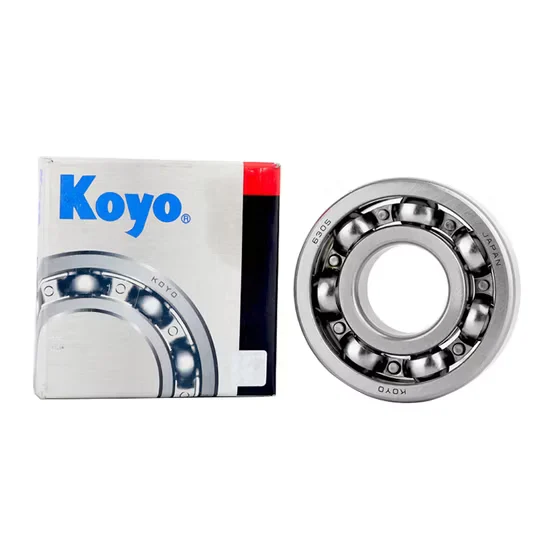
Deep Groove Ball Bearings
KOYO Bearing 6005 6006 6300-6309 Motorcycle Deep Groove Ball Bearings Japan
View Product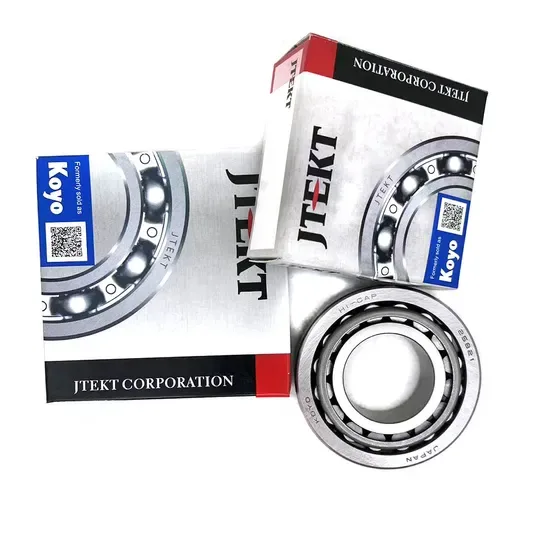
Tapered Roller Bearings
Koyo 30213 30221 30228 Tapered Roller Bearing Single Row for Machinery Part
View Product
Marine Bearings
Koyo 32212 Tapered Roller Bearing for Marine Engines
View Product
Tapered Roller Bearings
Koyo Tapered Roller Bearing 31313 33215 33017 33214 30313 32919 30217 33016
View ProductKeep reading
More bearing selection guides for repair shops
Practical guides from KOYO Bearing Supplier on identifying Koyo / JTEKT bearings for farm machinery, construction equipment and power transmission repairs.
 Buying Guide
· 8 min read
Koyo Auto Bearings Wholesale Supplier & Bulk Quote
Request a Quote for Koyo Auto Bearings that accounts for total landed cost, not just FOB price. Optimize margins through mixed-container consolidation and ensure…
Read the Guide Buying Guide · 7 min read
Koyo Auto Bearings Wholesale Supplier for Parts Stores
Stocking Koyo auto bearings requires strict verification of suffix codes and traceability to prevent costly assembly failures. Learn essential packaging checks and cross-brand alternatives…
Read the Guide Buying Guide
· 7 min read
Fake Auto Bearings: Neutral Buyer Checks Wholesale Supplier
Master Fake Auto Bearings Neutral Buyer Checks by shifting focus from packaging to internal physical inspections and traceability. Detect counterfeits through acidic rust oil…
Read the Guide
Bearing enquiry
Send your machine details. Get a written Koyo / JTEKT quote.
KOYO Bearing Supplier quotes a single bearing position or every bearing in an assembly on one enquiry, matched to your machine model and application, with model, quantity, price, lead time and quote validity in writing.
- WhatsApp+1 (702) 981-5880
- Emailinfo@koyoome.com
- Address8 Research Drive, Greenville, SC 20627, USA
"When a Koyo bearing failed on a harvest machine during the season, we needed a replacement urgently. The supplier identified the correct Koyo reference, shipped same-day, and the machine was back in the field within the day."

Request a Bearing Quote
Tell us the machine and the bearing position. Photos of the markings can follow on WhatsApp.