
Fake Auto Bearings: Neutral Buyer Checks Wholesale Supplier
Pristine packaging is the most effective camouflage for counterfeit auto parts.
Neutral buyers must shift their verification focus entirely from external box aesthetics to internal physical inspections and supply chain traceability to successfully identify fake auto bearings. Relying on holographic stickers or printed logos is a guaranteed path to procurement failure, as counterfeiters have mastered the art of replicating packaging while consistently failing to reproduce the metallurgical precision required for genuine performance.
The smell of the rust preventive oil and the tactile feel of the raceway are immediate indicators of quality that no amount of box printing can fake. In my early days sourcing from industrial hubs in Dongguan, I learned this lesson through a costly mistake. A batch of wheel bearings arrived in boxes that looked identical to the official brand packaging, complete with what appeared to be valid security labels. However, upon opening the sealed bags, the sharp, acidic scent of low-grade rust oil was unmistakable. A simple touch test revealed microscopic burrs on the inner ring raceway, a defect that would lead to premature noise and failure under load. This experience shifted my entire approach to vetting a Fake Auto Bearings Neutral Buyer Checks Wholesale Supplier. I no longer listen to sales pitches about factory certifications; I demand the right to perform on-site dimensional spot checks and chemical evaluations before any commitment is made.
Why Do Fake Auto Bearings Pass Initial Visual Checks?
Counterfeiters prioritize packaging reproduction over internal machining precision because it is cheaper and easier to fool the eye than to replicate micron-level tolerances. Most buyers make the critical error of assuming that if the box looks authentic, the product inside must be genuine. This assumption is dangerously flawed. The visual fidelity of modern counterfeits has reached a point where even experienced warehouse staff can be deceived by high-resolution printing and replicated holographic elements.
The reality is that the cost of producing high-quality steel and maintaining precise grinding equipment is prohibitive for counterfeit operations. Instead, they invest in packaging machinery that can produce boxes indistinguishable from the original. When evaluating a potential partner, it is essential to understand that a Fake Auto Bearings Neutral Buyer Checks Wholesale Supplier will often try to distract you with perfect outer cartons. They may show you samples with flawless labels, hoping you will not open them.
To counter this, buyers must look for inconsistencies in the printing quality under magnification, such as blurred text or misaligned colors, but these are minor clues. The major red flag is the disparity between the exterior presentation and the interior component quality. Genuine manufacturers maintain strict control over every aspect of production, including the clarity of laser etching on the bearing itself. Counterfeits often feature shallow or poorly aligned markings that can be rubbed off with minimal effort. By focusing on the internal components rather than the external shell, buyers can bypass the primary deception tactic used by fraudulent suppliers.
What Are the Red Flags in Physical and Chemical Inspections?
Acidic rust oil and rough raceway surfaces are definitive signs of poor metallurgy and inadequate manufacturing controls. When you receive a sample or inspect a batch, the first step is to open the individual packaging and engage your senses. The rust preventive oil used by reputable brands is formulated to protect the steel during storage without corroding the metal or leaving harmful residues. It typically has a neutral or mild petroleum scent. In contrast, counterfeit bearings often use cheap, acidic oils that emit a sharp, pungent odor. This acidity can begin to corrode the bearing surfaces even before installation, leading to early pitting and failure.
The second critical check is tactile. Run your finger lightly along the raceway of the inner and outer rings. A genuine bearing will feel perfectly smooth, with no detectable irregularities. Counterfeit bearings frequently exhibit burrs, scratches, or a gritty texture due to inferior grinding processes and lack of proper finishing. These microscopic defects create stress points that accelerate wear and generate noise during operation. In one instance, a batch of bearings destined for a commercial fleet failed within months because the raceways were rough enough to cause rapid cage degradation. The supplier had claimed they were OEM surplus, but the physical evidence told a different story.
When assessing a Fake Auto Bearings Neutral Buyer Checks Wholesale Supplier, insist on performing these simple tests. If a supplier refuses to allow you to open packages for inspection or dismisses your concerns about oil smell and surface finish, it is a clear indication that they have something to hide. Genuine suppliers understand that quality is verifiable and will welcome such scrutiny.
How to Conduct On-Site Dimensional Spot Checks?
Using calipers to verify critical tolerances provides objective data that exposes counterfeit components which visually appear acceptable. While sensory checks are valuable, they are subjective. Dimensional measurement offers concrete evidence of whether a bearing meets the required specifications. You do not need a full metrology lab to perform basic spot checks; a high-quality digital caliper and a micrometer are sufficient for most field inspections.
Focus on three key dimensions: the inner diameter, outer diameter, and width. Compare these measurements against the manufacturer’s published specifications. Genuine bearings are produced with tight tolerances, often within microns. Counterfeit bearings frequently deviate significantly from these standards due to worn tooling or lack of quality control. Even a small deviation can cause improper fitment, leading to overheating, vibration, and premature failure. For example, an inner diameter that is too large will result in a loose fit on the shaft, causing slippage and damage to both the bearing and the shaft.
Create a simple checklist for your inspection team. Measure a random sample of bearings from each batch. Record the results and compare them to the acceptable tolerance range. If you notice consistent deviations or wide variations between individual bearings in the same batch, it is a strong indicator of poor manufacturing consistency. This method is particularly effective when dealing with a Fake Auto Bearings Neutral Buyer Checks Wholesale Supplier who may try to pass off mixed-quality stock as uniform premium product. By demanding dimensional verification, you shift the conversation from subjective opinions to objective facts.
Which Traceability Documents Prove Authenticity?
Verifiable supply chain records and material certifications are the only reliable proof of origin in a market flooded with replicas. Packaging can be copied, and physical characteristics can sometimes be mimicked well enough to fool casual inspection. However, forging a complete and consistent paper trail is significantly more difficult and risky for counterfeiters. Authentic bearings come with documentation that traces their journey from the steel mill to the final assembly line.
Request the certificate of conformity, material test reports, and proof of purchase from the authorized distributor. Check that the batch numbers on the documents match those printed on the bearing and its packaging. Inconsistencies in dates, batch codes, or supplier names are major red flags. Genuine suppliers maintain detailed records and can provide these documents promptly. Counterfeit suppliers often provide vague or generic certificates that lack specific details or cannot be verified with the issuing authority.
In my current operations, I ensure that every shipment includes full traceability documentation. This practice not only protects my clients but also builds long-term trust. When a buyer knows they can trace every component back to its source, they gain confidence in the reliability of their supply chain. Evaluating a Fake Auto Bearings Neutral Buyer Checks Wholesale Supplier requires asking tough questions about their documentation process. If they hesitate or provide incomplete records, it is best to walk away. Real surplus stock has full traceability; fake surplus does not.
Conclusion
Authenticity is proven by internal precision and documented history, not external appearance.
Avoiding counterfeit auto bearings requires a disciplined approach that prioritizes physical inspection and traceability over packaging aesthetics. By focusing on sensory checks, dimensional accuracy, and verifiable documentation, buyers can effectively filter out fraudulent suppliers. Partnering with a transparent Fake Auto Bearings Neutral Buyer Checks Wholesale Supplier ensures that your inventory meets the highest standards of quality and reliability.
Mentioned in this article
Koyo / JTEKT bearings from this guide
These are the Koyo / JTEKT bearing types discussed above. Open any product to check its details, or quote it together with the rest of your repair.

Tapered Roller Bearings
P5 Koyo 33010 30211 33110 32307 33208 Tapered Roller Bearing for Motor Auto Pump
View Product
Tapered Roller Bearings
Jtekt Koyo Tapered Roller Bearing 32010 30302 30303 30304 30305 30306 for Auto Parts
View Product
Railway Bearings
X&S 30304 30306 30307 Tapered Roller Bearings for Railway Axle Auto Parts
View Product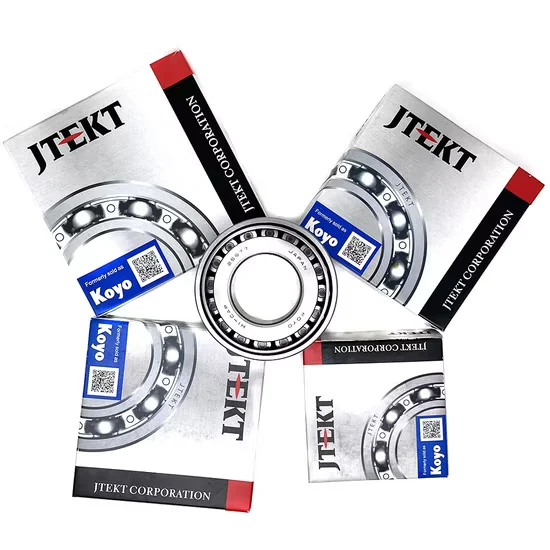
Tapered Roller Bearings
Koyo Tapered Roller Bearing 30203 30204 30205 30206 30207 for Auto Parts Wholesale
View ProductKeep reading
More bearing selection guides for repair shops
Practical guides from KOYO Bearing Supplier on identifying Koyo / JTEKT bearings for farm machinery, construction equipment and power transmission repairs.
Buying Guide · 7 min read
Koyo Auto Bearings Wholesale Supplier & Bulk Quote
Request a Quote for Koyo Auto Bearings that accounts for total landed cost, not just FOB price. Optimize margins through mixed-container consolidation and ensure…
Read the Guide Buying Guide · 7 min read
Koyo Auto Bearings Wholesale Supplier for Parts Stores
Stocking Koyo auto bearings requires strict verification of suffix codes and traceability to prevent costly assembly failures. Learn essential packaging checks and cross-brand alternatives…
Read the Guide Buying Guide
· 6 min read
Buy Genuine Koyo Auto Bearings: Wholesale Supplier for Bulk & MRO
Where to buy Koyo auto bearings requires prioritizing verifiable traceability over lowest prices to avoid costly counterfeits. Compare official dealers, global consolidators, and brokers…
Read the Guide
Bearing enquiry
Send your machine details. Get a written Koyo / JTEKT quote.
KOYO Bearing Supplier quotes a single bearing position or every bearing in an assembly on one enquiry, matched to your machine model and application, with model, quantity, price, lead time and quote validity in writing.
- WhatsApp+1 (702) 981-5880
- Emailinfo@koyoome.com
- Address8 Research Drive, Greenville, SC 20627, USA
"When a Koyo bearing failed on a harvest machine during the season, we needed a replacement urgently. The supplier identified the correct Koyo reference, shipped same-day, and the machine was back in the field within the day."

Request a Bearing Quote
Tell us the machine and the bearing position. Photos of the markings can follow on WhatsApp.