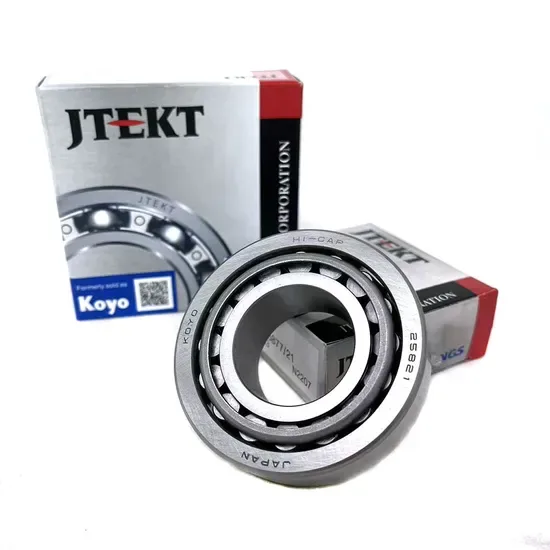
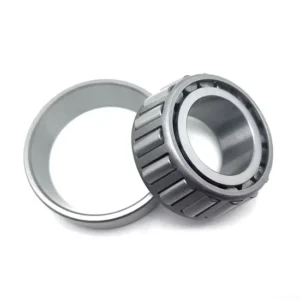
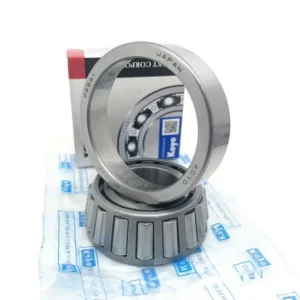
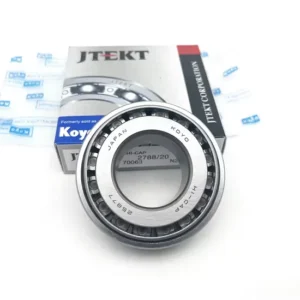
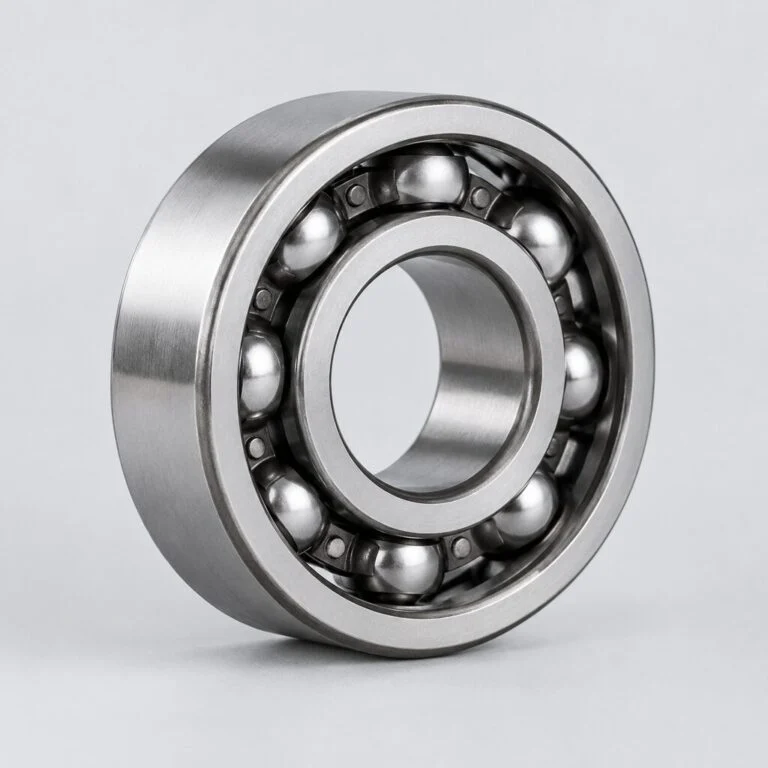
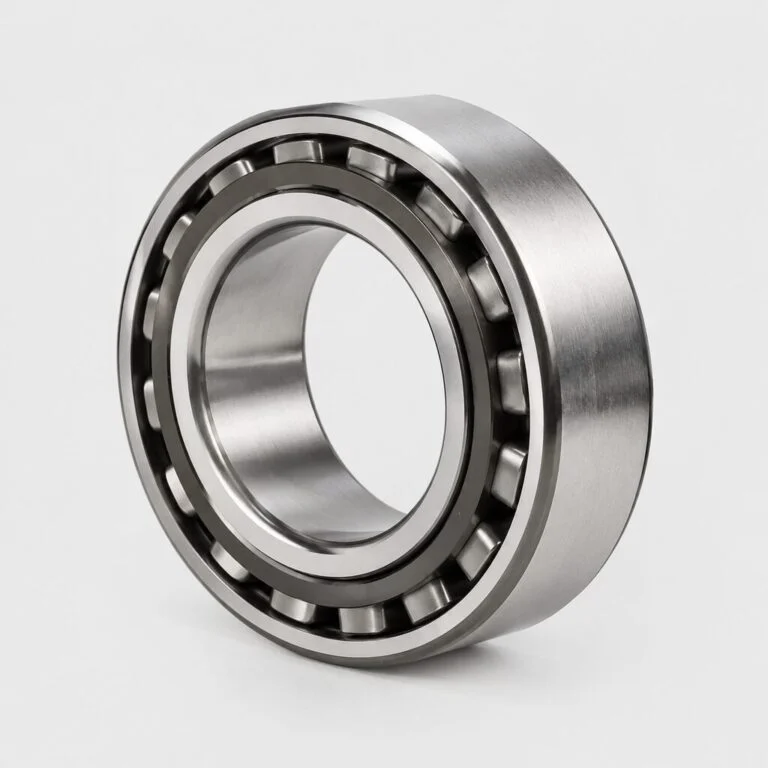
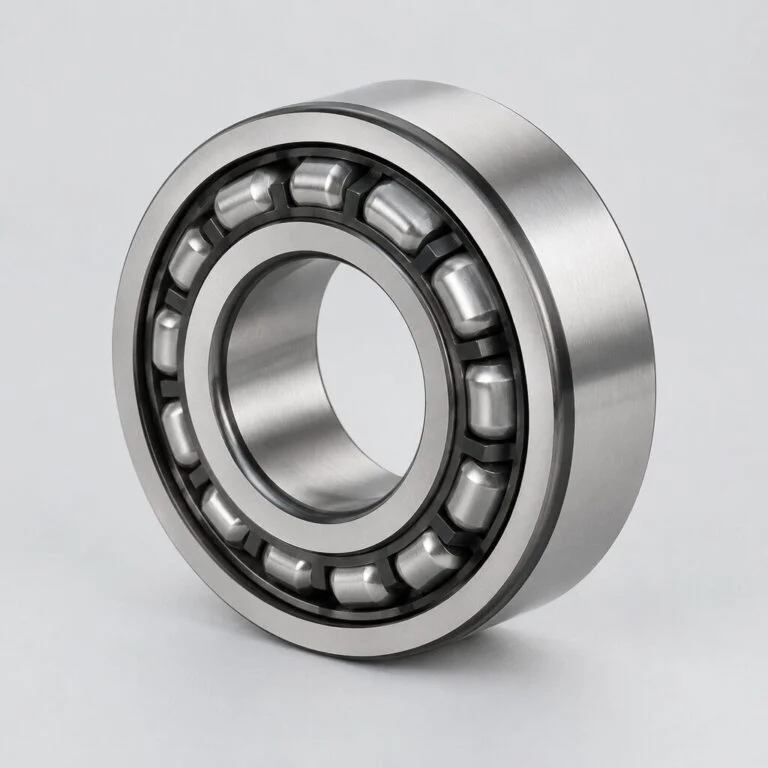
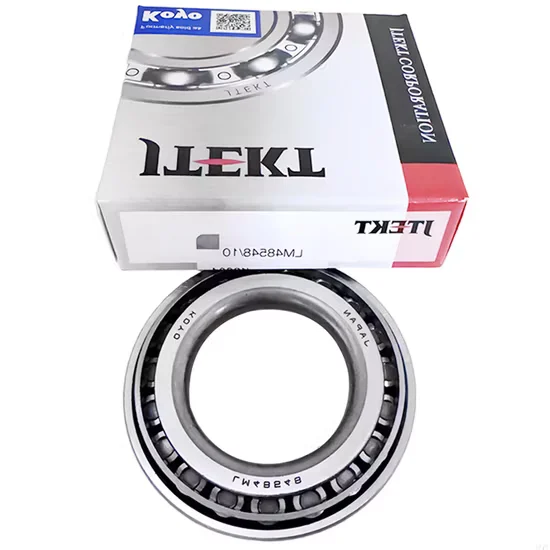
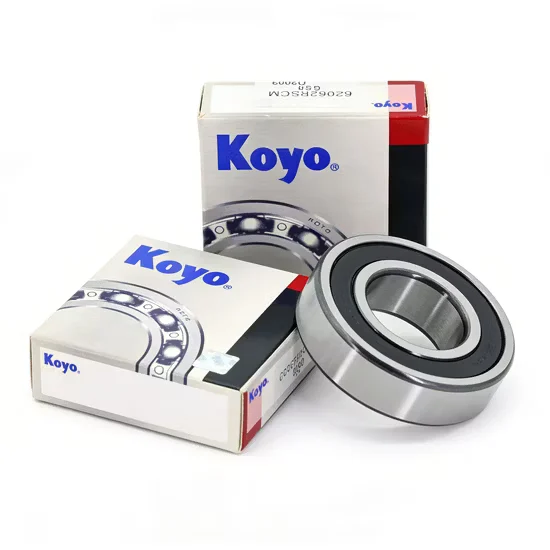
Cross-Reference Alignment — verifying dimensional and load equivalency across global catalogs for these specific metric series.
Technical Specifications
| Parameter | Value |
| Designation | X&S 32026 32028 32030 32220 32221 32222 |
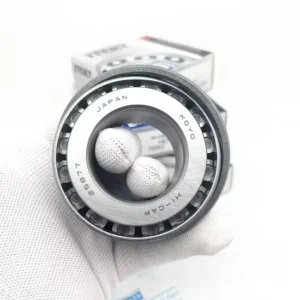
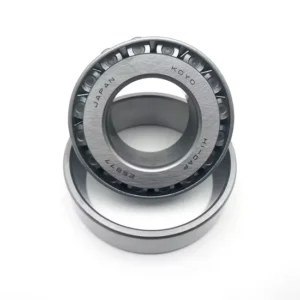
| Bearing Type | Tapered Roller Bearing |
| Material | Available in Chrome Steel Gcr15 variants |
| Clearance Class | C0 / C2 / C3 / C4 |
| Hardness | HRC58-62 |
| Lubrication | Grease or Oil |
| Origin | Shandong, China |
Application Suitability
| Industry | Typical Applications |
| Manufacturing Plant | Industrial shafts and heavy-duty gearboxes |
| Machinery Repair Shops | MRO replacement for industrial shaft assemblies |
| Automotive | Wheel hub assemblies requiring metric tapered designs |
Why Standard Clearance Fails in Heavy-Duty 32026 32028 32030 32220 32221 32222 Tapered Roller Bearing Applications
Thermal expansion under continuous radial load demands precise clearance selection to prevent catastrophic seizure.
Early in my career handling heavy equipment exports, a copper mine in Chile ordered replacements for their primary crushers. The procurement team provided the equipment model but omitted the specific clearance suffix. We shipped standard C0 clearance instead of the required C3. Under the extreme heat and heavy shock loads of the crushing chamber, the internal clearance vanished, leading to a complete bearing seizure and unplanned downtime. That incident fundamentally changed how I approach metric tapered series procurement. Sourcing the correct 32026 32028 32030 32220 32221 32222 tapered roller bearing requires strict verification of the original equipment manufacturer's thermal and load profiles. When internal clearances collapse under thermal stress, the resulting friction generates even more heat, creating a destructive feedback loop that destroys the raceway geometry within hours. Preventing this requires a deep understanding of how ambient temperatures and operational friction interact inside the housing assembly.

Matching Metric Tapered Designs to Industrial Shaft Demands
Industrial gearboxes and heavy shafts generate significant combined loads that demand rigid support and precise alignment. When evaluating the 32026 32028 32030 32220 32221 32222 tapered roller bearing for your machinery, our engineering team cross-references dimensional boundaries to ensure precise integration into existing housings. We provide equivalent model consultation to bridge gaps between legacy equipment specs and current production catalogs. This technical alignment ensures that the load distribution angles match the original design intent, preventing uneven stress concentrations on the roller ends during peak torque transmission events.
Managing Thermal and Load Stresses in Continuous Operations
Continuous operation in manufacturing plants exposes shaft assemblies to fluctuating temperatures and heavy radial forces. These thermal shifts directly impact internal clearance, making the choice between C0, C3, or C4 critical for maintaining optimal rolling contact. Proper lubrication selection, whether grease or oil, must align with the operating speed and ambient heat to prevent film breakdown. Furthermore, managing contamination ingress through appropriate housing seals ensures the hardened rolling elements maintain their structural integrity over extended service intervals. Ignoring the thermal expansion differential between the steel shaft and the cast iron housing often leads to unintended preload conditions that accelerate fatigue.
Decoding the Standard Metric Series Configuration
The standard metric configuration for these models relies on optimized roller geometry to distribute combined loads effectively across the contact lines. Available in Chrome Steel Gcr15 variants, the material provides the necessary core toughness and surface hardness of HRC58-62 to resist spalling under heavy radial stress. The defining selection variable remains the clearance class. A standard C0 clearance suits moderate temperature environments, whereas C3 or C4 classes accommodate the thermal expansion inherent in high-heat gearbox applications. Selecting the appropriate clearance prevents the internal preload from exceeding design limits during thermal steady-state operations. Dual lubrication compatibility allows maintenance teams to adapt their regreasing schedules based on specific operational speeds. Properly matching the cage design and roller profile to the expected vibration levels further enhances the overall stability of the shaft assembly.
The Downtime Penalty of Incorrect Clearance Selection
Installing a standard clearance component in a high-temperature industrial shaft application inevitably leads to premature failure. As the housing and shaft expand at different rates, the internal clearance diminishes, causing excessive friction and rapid temperature escalation. This thermal runaway destroys the roller and raceway surfaces, resulting in catastrophic damage to the surrounding gearbox housing. Adhering to failure analysis frameworks helps identify these thermal seizure patterns before they trigger secondary mechanical breakdowns. The financial impact extends far beyond the component cost, encompassing lost production hours, emergency freight charges, and the labor required to dismantle heavily damaged shaft assemblies.
Securing Traceable Metric Tapered Components for Critical MRO
Procuring replacement components for critical shafts requires absolute certainty in material and dimensional accuracy. We maintain massive spot inventory covering thousands of standard part numbers, ensuring rapid dispatch for urgent machinery repair shop requirements. Our technical selection support specifically targets the common misconfiguration of clearance suffixes, preventing the costly C0 versus C3 errors that plague heavy-equipment maintenance. Every shipment includes complete traceability documentation, guaranteeing that the metallurgical properties match the original design intent. We also offer flexible consolidation shipments, allowing you to mix these metric tapered models with other maintenance items in a single container. This comprehensive approach eliminates the need to coordinate multiple suppliers for a single maintenance shutdown.
Documentation & Authenticity
- Certificate of Conformity verifying the Chrome Steel Gcr15 material composition for each batch.
- Original batch traceability logs linking the specific C3 or C4 clearance components to factory heat treatment records.
- Dimensional and running accuracy inspection reports confirming metric tapered tolerances prior to dispatch.
- Material test reports validating the HRC58-62 surface hardness across the roller and raceway profiles.
Storage, Handling & Mounting
- Store the C3 and C4 clearance variants in climate-controlled environments to prevent condensation-induced corrosion on the Gcr15 surfaces.
- Retain the original vapor-phase inhibitor packaging until the exact moment of mounting to protect the precision-ground tapered raceways.
- Use induction heating for the inner rings during installation to achieve the necessary thermal expansion without damaging the HRC58-62 hardened structure.
- Apply the specified grease or oil lubrication immediately after mounting to prevent dry-start scoring on the tapered rollers.
- Verify the shaft and housing tolerances match the selected clearance class to avoid unintended internal preload during operation.
Engineering Data Required for Precision Selection
To ensure the selected metric tapered models perfectly match your operational demands, please provide the specific radial and axial load profiles alongside your maximum operating temperatures. Sharing the original equipment manufacturer's part numbers allows our team to perform precise cross-reference checks and verify the required clearance class. This technical review guarantees that the replacement components will deliver stable performance and low noise throughout their service life.
Frequently Asked Questions
Q: What are the cross-reference equivalents for the 32026 32028 32030 32220 32221 32222 tapered roller bearing?
A: Our engineering team cross-references these metric dimensions against major global catalogs to identify exact equivalents. We verify the outer diameter, bore, and width to ensure direct interchangeability. By providing your current equipment model, we confirm the precise dimensional match and validate the required clearance suffix for your specific application.
Q: How do I choose between C0, C3, and C4 clearance classes for industrial shaft applications?
A: The selection depends entirely on the thermal expansion characteristics of your shaft and housing under operating temperatures. Standard C0 clearance suits moderate environments, while C3 and C4 accommodate significant heat generation typical in heavy-duty gearboxes. Providing your operational temperature range allows our technical team to calculate the optimal internal clearance to prevent thermal seizure.
Q: Why is Chrome Steel Gcr15 preferred for these tapered roller bearing models?
A: This specific alloy provides an excellent balance of core toughness and surface wear resistance after heat treatment. The material achieves the necessary hardness to withstand heavy combined loads without spalling. For applications involving severe corrosion or extreme temperatures, we can also discuss alternative material options to ensure long-term reliability in harsh environments.
Q: What lubrication strategy is recommended for continuous heavy-load operations?
A: The choice between grease and oil depends on your operating speed and cooling requirements. Oil circulation is typically preferred for high-speed gearboxes needing active cooling, while high-quality grease suits moderate-speed shafts requiring simpler sealing arrangements. We recommend establishing a regular regreasing interval based on your specific load and temperature conditions.