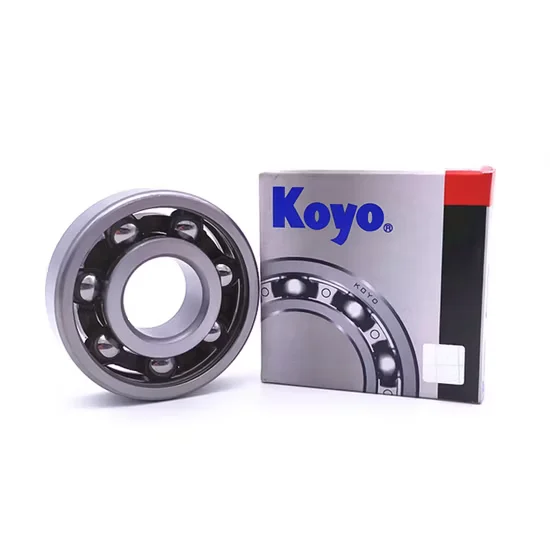
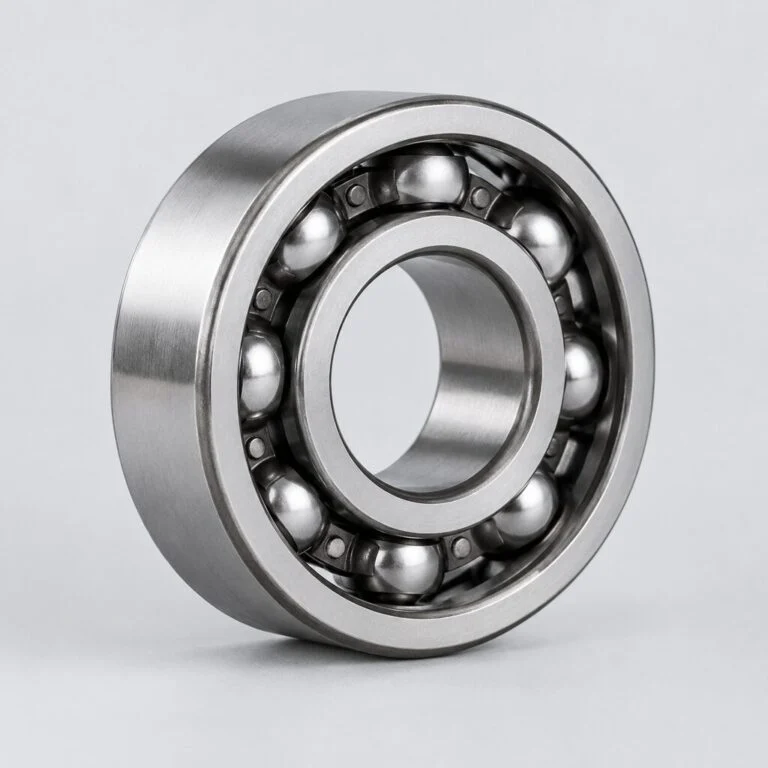
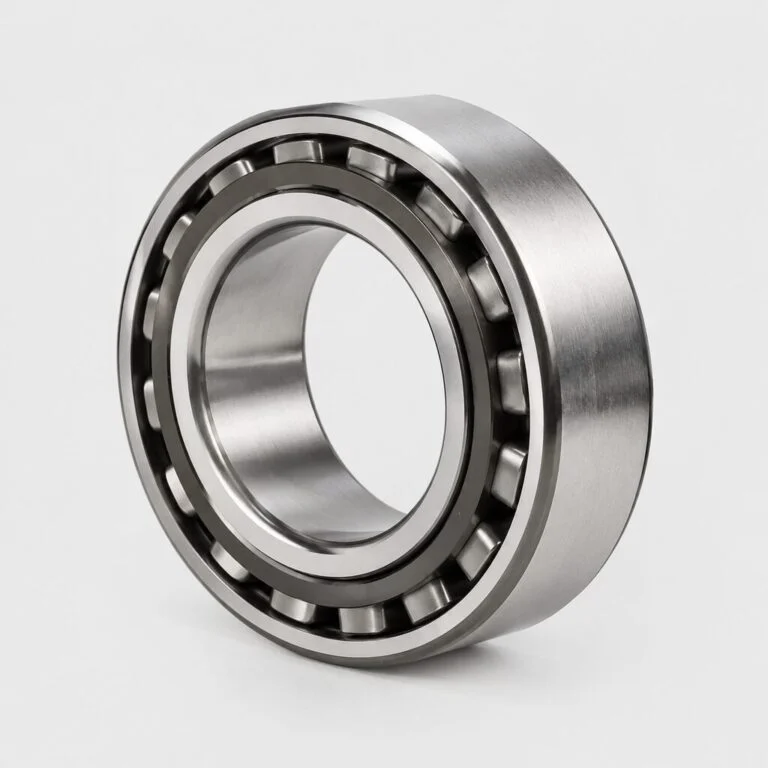
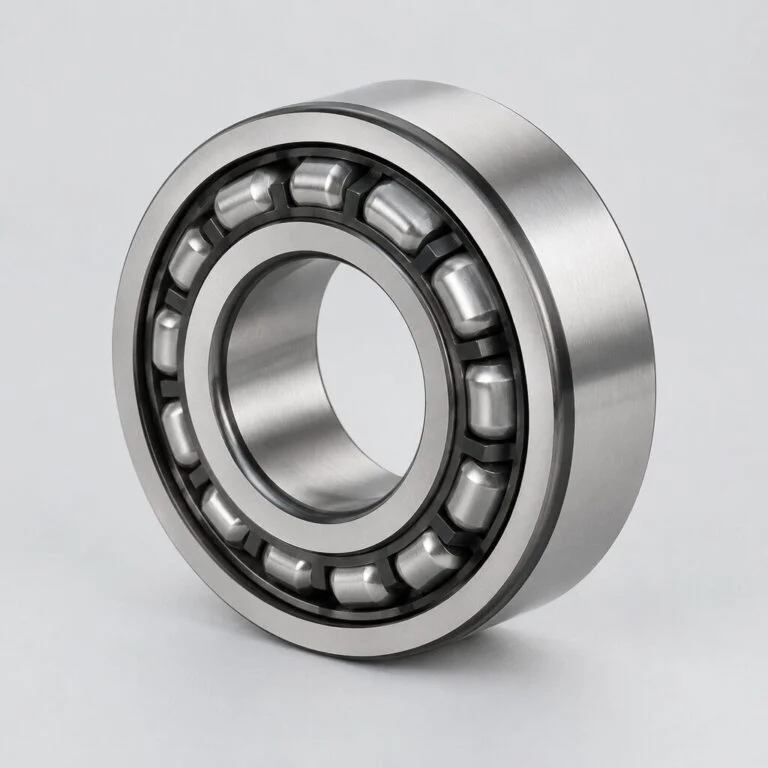
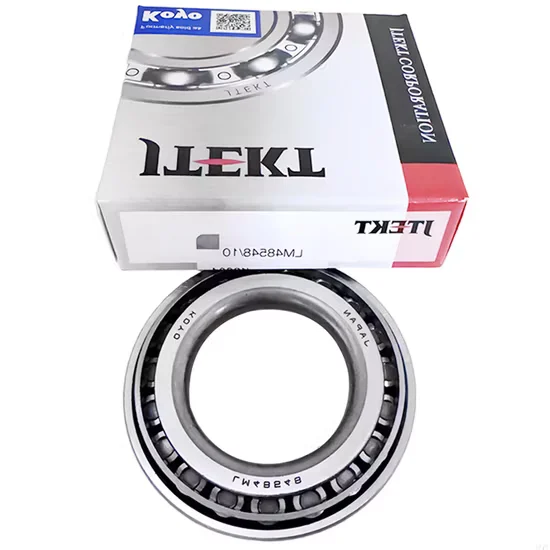
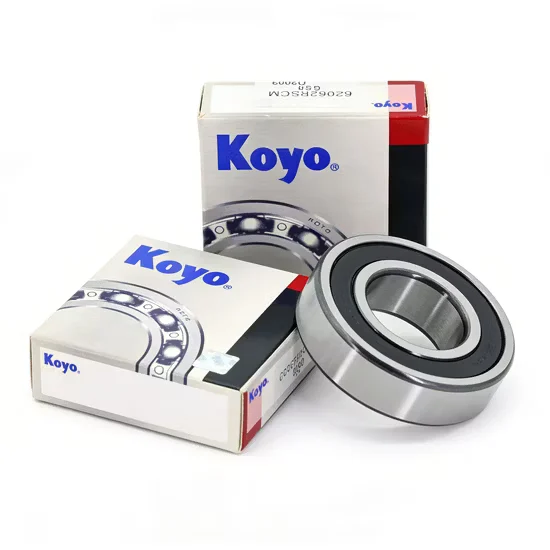
Verified via QR scan — Each X&S 30236 30238 30338 tapered roller bearing includes a scannable traceability code linking directly to the manufacturer's quality database.
Technical Specifications
| Parameter | Value |
| Designation | 30236 30238 30338 30336 32330 32228 31330 31328 31 |
| Bearing Type | Tapered Roller Bearing |
| Clearance Class | C0 / C2 / C3 / C4 |
| Rolling Body | Roller Bearings |
| Specification | Standard size |
| Origin | Shandong, China |
| Certification | ISO9001, CE |
Application Suitability
| Industry | Typical Applications |
| Railway Transit | Railway axle machines and wheelset assemblies |
| Automotive | Auto spare parts for heavy-duty drivetrains |
| General Manufacturing | Manufacturing plant gearboxes and power transmission |
| Maintenance Services | Machinery repair shops replacing worn roller bearings |
Why Thermal Expansion Destroys Railway Axle Bearings Before Fatigue Does
Incorrect clearance selection causes internal preload spikes under high operating temperatures.
In railway axle machines and heavy automotive applications, thermal expansion often triggers catastrophic failures long before mechanical fatigue reaches its limit. During early field installations in Ningbo, a standard clearance unit seized in a railway axle simply because the thermal growth wasn't matched to the required C3 class. This real-world failure highlights why addressing thermal challenges requires a deep understanding of the specific heat generation profile within the axle housing. When equipment operates continuously under heavy loads, friction heat accumulates rapidly if the internal clearance is insufficient. Such failure modes are extensively documented in industry standards.

Matching Standard Tapered Roller Bearings to Heavy-Duty Axles
Selecting the right X&S 30236 30238 30338 tapered roller bearing requires matching the clearance class to the specific thermal profile of the axle or gearbox. Our engineering team provides cross-brand equivalent model consultation to ensure the selected standard size unit aligns perfectly with your existing housing dimensions and load requirements. By analyzing the operational data, we help buyers avoid the common pitfall of defaulting to standard clearances in high-heat environments. This proactive technical selection support ensures that every unit deployed in your machinery repair shops or manufacturing plants delivers reliable, long-term performance.
Managing Combined Loads and Thermal Shifts in Drivetrains
Railway axle machines and automotive drivetrains subject components to intense combined radial and axial loads alongside significant temperature fluctuations. These thermal shifts demand precise clearance compensation to prevent internal binding during peak operation. Proper lubrication intervals are equally critical, as degraded grease accelerates wear under heavy shock loads and compromises the stable performance of the assembly. Furthermore, preventing contaminant ingress in dusty repair shop environments extends the operational lifespan considerably. Ensuring that the rolling body maintains its geometric integrity under these extreme conditions is fundamental to achieving low noise and smooth rotation throughout the service life.
Decoding Clearance Classes and Standard Dimensions
The availability of C0, C2, C3, and C4 clearance classes allows for precise thermal and load compensation across different operating environments. While C0 serves as the standard baseline for normal temperatures, C3 and C4 provide the necessary internal room for expansion in high-heat railway axle applications. The standard size specification ensures direct replacement compatibility without requiring costly housing modifications or machining adjustments. These units feature a heavy-duty roller bearing design optimized for stable performance and low noise under continuous rotation in demanding industrial settings. Selecting the appropriate clearance prevents the catastrophic seizure often seen when standard C0 bearings are forced into high-temperature zones. Understanding these fundamental specifications enables maintenance teams to make informed decisions during urgent MRO replacements.
The Downtime Penalty of Ignoring Thermal Clearances
Specifying a standard clearance bearing for a high-temperature axle application inevitably leads to unplanned downtime and premature failure. As the shaft expands under operational heat, the internal clearance vanishes, generating excessive friction and rapid temperature spikes. This cascading effect results in catastrophic damage to both the bearing and the surrounding housing, often requiring complete assembly replacement. Such failure modes are extensively documented in industry standards and highlight the critical nature of proper initial selection. Ultimately, the financial impact of a seized axle assembly far exceeds the initial investment in the correct clearance variant, making precise specification a mandatory practice for reliability engineers.
Sourcing Traceable Bearings Without the Premium Markup
We supply the genuine X&S 30236 30238 30338 tapered roller bearing with complete traceability documentation, eliminating the guesswork in critical railway applications. Our massive spot inventory covers these standard part numbers, enabling flexible MOQ from single-unit emergency orders to full container consolidation shipments. Unlike direct official channels, we offer competitive sourcing costs while maintaining strict ISO-compliant quality assurance across every batch. Our technical team provides cross-reference support to verify dimensional interchangeability before shipment, ensuring direct integration into your existing maintenance schedules. Additionally, we consolidate global shipping and offer long-term after-sales technical support for failure analysis and application guidance.
Documentation & Authenticity
- Certificate of Conformity confirming ISO9001 and CE standards for the specific batch.
- Original factory batch traceability codes linking to the production date and inspection records.
- Material inspection reports verifying the metallurgical composition of the bearing steel.
- Dimensional and running accuracy inspection reports confirming standard size tolerances.
- Origin documentation validating the Shandong manufacturing source for customs clearance.
Storage, Handling & Mounting
- Store the C3 and C4 clearance variants in their original packaging to prevent moisture ingress before mounting.
- Maintain consistent storage temperatures to avoid condensation inside the standard size bearing housing.
- Use clean gloves when handling the rolling elements to prevent acidic skin oils from initiating corrosion.
- Apply induction heating for mounting these large-bore railway axle bearings to ensure even thermal expansion.
- Follow strict external lubrication protocols since these open-type units require precise grease filling during assembly.
Preparing Your Technical Requirements for Verification
To ensure optimal selection, please share your specific radial and axial load calculations, operating speeds, and expected temperature ranges for accurate L10 life verification. Providing the exact OEM equipment numbers or housing dimensions allows our engineering team to perform precise cross-reference checks against our extensive database. Detailing the environmental conditions, such as dust exposure, moisture levels, or chemical contaminants, helps us recommend the most suitable clearance class and external lubrication strategy. This collaborative technical review ensures that the supplied components meet the rigorous demands of your specific railway or automotive application.
Frequently Asked Questions
Q: How do I choose between C0, C3, and C4 clearance for railway axle applications?
A: C0 is suitable for standard operating temperatures, while C3 and C4 provide extra internal room to accommodate thermal expansion in high-heat environments. Selecting the correct class prevents internal preload spikes and subsequent seizure under heavy combined loads. Our technical team can calculate the required thermal compensation based on your specific operating data.
Q: What are the cross-reference equivalents for the 30200 and 30300 series?
A: These standard tapered roller bearings cross-reference to various premium global brand equivalents within the same dimensional series. We provide detailed cross-brand equivalent model consultation to ensure direct replacement compatibility. Sharing your current OEM part numbers allows us to verify the exact dimensional interchangeability before processing your bulk project order.
Q: How can I verify the authenticity and traceability of the supplied bearings?
A: Every shipment includes a Certificate of Conformity and original factory batch traceability codes. You can cross-check these codes against the manufacturer's production records to confirm the origin and inspection history. We also provide dimensional inspection reports to validate the declared standard size specifications.
Q: What is the recommended maintenance cycle for heavy-duty automotive drivetrains?
A: Maintenance intervals depend heavily on the operating load, speed, and environmental contamination levels. Regular inspection of the lubrication condition and checking for abnormal noise or temperature spikes are essential. We offer long-term after-sales technical support to help establish an optimal maintenance schedule based on your specific application parameters.
Q: How do these bearings handle combined radial and axial loads in heavy machinery?
A: The tapered roller design inherently supports significant combined loads by directing forces through the contact angle of the rolling elements. Proper clearance selection and precise mounting alignment are critical to distribute the load evenly across all rollers. This ensures stable performance and low noise even under severe shock loading conditions.