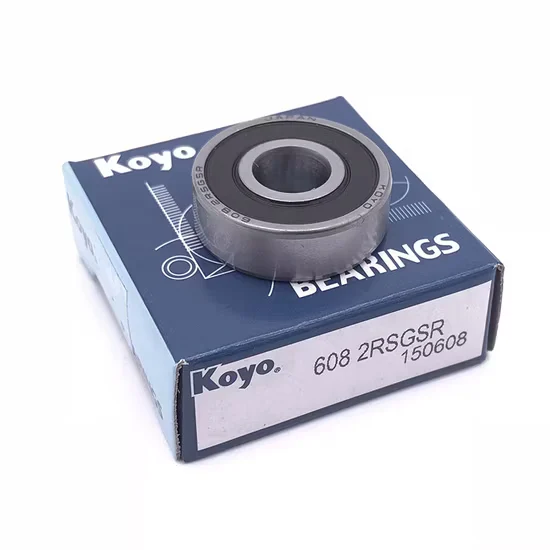
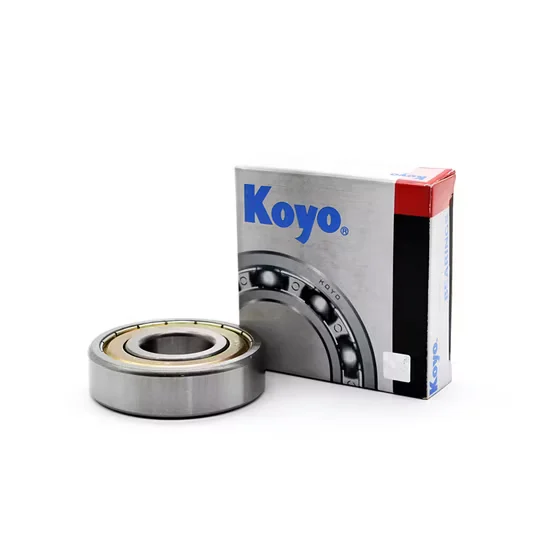
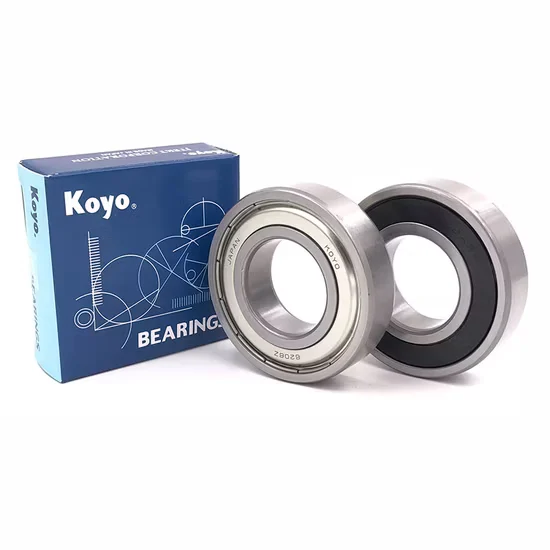
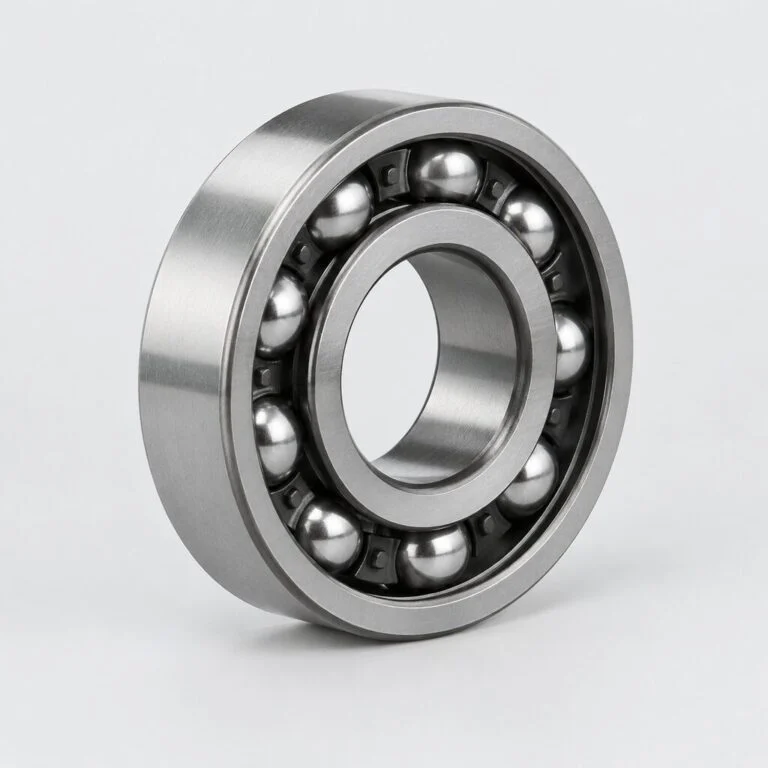
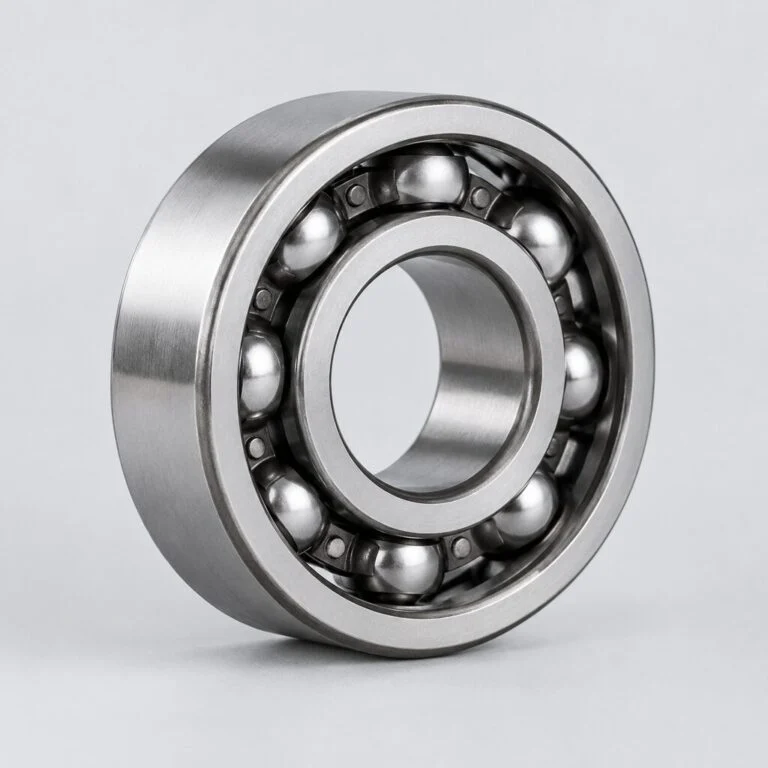
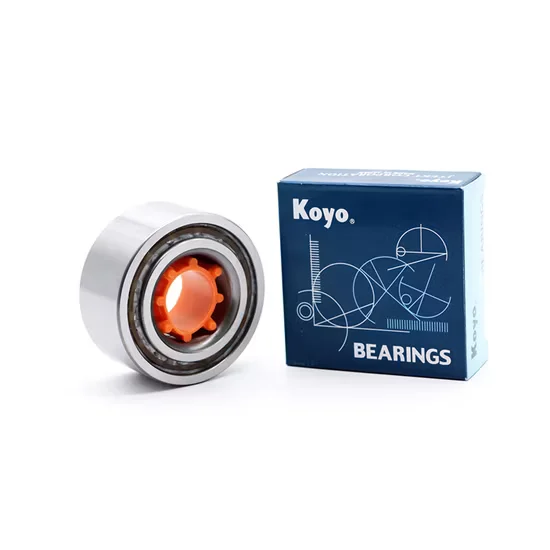
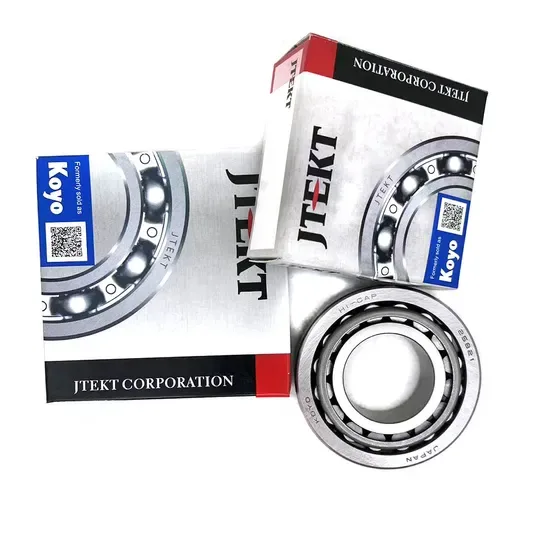
Original Batch Traceability — Every 160/500 60/500 unit ships with verifiable factory lot documentation to guarantee authentic material provenance.
Technical Specifications
| Parameter | Value |
| Designation | 160/500 60/500 |
| Product Type | Deep Groove Ball Bearing |
| Bearing Type | Deep Groove |
| Number of Rows | Single |
| Load Direction | Radial |
| Separated | Unseparated |
| Material | Bearing Steel |
Application Suitability
| Industry | Typical Applications |
| Mining Machinery | Heavy-duty gearboxes, conveyor drive pulleys |
| Wind Turbines | Yaw drive mechanisms, pitch control systems |
| Industrial Motors | Large-scale pump drives, heavy compressor shafts |
Why the NTN 160/500 60/500 deep groove ball bearing Fails Prematurely in Heavy Equipment
Thermal expansion mismatch and incorrect internal clearance destroy the raceway before the steel fatigues.
When sizing large-bore units for heavy equipment, engineers often overlook the thermal growth of the shaft during continuous operation. A standard clearance selection quickly vanishes under load, leading to catastrophic internal preload. The resulting friction generates excessive heat, which further reduces the already compromised clearance in a destructive feedback loop.

Matching the 160/500 60/500 Profile to Heavy-Duty Radial Loads
Selecting the right NTN 160/500 60/500 deep groove ball bearing requires balancing the immense radial forces typical in mining and wind power applications. Our engineering team cross-checks the specific equipment load spectra against the dynamic capacity of these large-bore configurations. This ensures the single-row unseparated design handles the continuous radial stress without edge-loading the raceway. Proper alignment during installation is equally critical to prevent uneven load distribution across the rolling elements.
Managing Thermal and Contamination Challenges in the Field
Large-diameter shafts in heavy gearboxes experience significant temperature gradients during startup and steady-state operation. If the internal clearance does not compensate for this thermal expansion, the rolling elements will skid and generate excess heat. Furthermore, mining environments introduce abrasive dust that compromises standard sealing arrangements, accelerating wear on the raceways. Proper lubrication intervals and precise clearance selection are absolutely critical to preventing premature seizure and maintaining operational reliability in harsh conditions.
Decoding the Core Geometry and Clearance Parameters
The single-row radial architecture of this unseparated design provides reliable load distribution across the deep raceway grooves. Since the 160/500 60/500 designation lacks specific suffix codes for clearance or cage materials in the baseline part number, buyers must explicitly specify the required internal clearance class—such as C3 or C4—to accommodate heavy interference fits and high operating temperatures. The available bearing steel variants offer high hardness and wear resistance, but the exact cage material must be verified for high-speed or high-vibration applications. Selecting the correct clearance prevents the internal preload issues I witnessed firsthand when a standard clearance unit seized in a hot-running pump application years ago.
The Hidden Costs of Overlooking Clearance Specifications
Specifying a standard clearance for a large-bore application with heavy interference fits inevitably leads to unplanned downtime and severe operational disruptions. The resulting internal preload accelerates fatigue and generates excessive friction heat, ultimately causing catastrophic damage to the shaft, housing, and surrounding drive components. Such failures not only void warranty claims but also trigger expensive secondary repairs across the entire power transmission system. Proactive specification review is the only reliable defense against these hidden costs.
Securing Authentic Large-Bore Inventory Through Verified Channels
Sourcing genuine large-bore units requires strict adherence to authorized procurement channels to avoid counterfeit risks. We maintain massive spot inventory for these specific heavy-duty part numbers, eliminating typical multi-week lead times. Our technical team provides cross-brand equivalent model consultation to ensure exact dimensional alignment when substituting legacy components. Every shipment includes complete traceability documentation, guaranteeing the metallurgical integrity of the bearing steel. We also offer flexible consolidation shipping for mixed-brand project orders, optimizing your global logistics footprint.
Documentation & Authenticity
- Certificate of Conformity verifying the authentic bearing steel metallurgy for each 160/500 60/500 batch.
- Original factory lot traceability records linking the physical units to their specific heat treatment cycles.
- Dimensional and running accuracy inspection reports confirming the single-row radial tolerances before dispatch.
- Official brand authenticity verification via QR codes or authorized digital validation tools.
Storage, Handling & Mounting
- Store the unseparated large-bore units flat in a climate-controlled environment to prevent raceway deformation.
- Retain the original factory packaging until installation to preserve the rust-preventative coating on the bearing steel.
- Use induction heating for mounting these 500mm bore components, strictly avoiding open flames that alter hardness.
- Verify the internal clearance class with a feeler gauge before and after mounting to ensure compensation.
- Employ dedicated lifting slings for the heavy outer rings to prevent edge damage to the deep grooves.
Preparing Your Technical Data for Precision Selection
To ensure the selected clearance and cage configuration perfectly match your operational reality, please provide the exact radial and axial load profiles alongside the operating temperature range. Sharing the specific OEM equipment model numbers allows our team to perform precise cross-reference checks and L10 life recalculations. Detailing the installation space constraints and housing fit tolerances will help us finalize the optimal internal clearance class for your heavy-duty application, ensuring long-term reliability.
Frequently Asked Questions
Q: How do I verify the authenticity of large-bore NTN 160/500 60/500 deep groove ball bearing units?
A: Authenticity is verified through original factory batch traceability documentation and official brand digital validation tools. We provide a Certificate of Conformity and dimensional inspection reports for every shipment. Buyers can also cross-check the physical dimensions and metallurgical markings against the official manufacturer catalogs to ensure complete compliance with the specified part number.
Q: What are the correct clearance classes for 60/500 and 160/500 in high-temperature applications?
A: High-temperature applications typically require C3 or C4 internal clearance to compensate for shaft thermal expansion and heavy interference fits. Using a standard clearance in these conditions leads to internal preload and premature seizure. Always calculate the operating temperature gradient and housing fit tolerances to determine the exact clearance class needed for your specific machinery.
Q: How to resolve discrepancies between online listings and official catalog specifications?
A: Discrepancies often arise from outdated databases or incorrect suffix interpretations by third-party sellers. We resolve this by cross-referencing your requirements directly with the manufacturer's current technical catalogs and verifying the physical dimensions against official drawings. Our engineering team confirms the exact load ratings and speed limits to ensure the selected unit matches your application.
Q: What is the recommended lubrication strategy for large-bore deep groove ball bearings in mining?
A: Mining environments demand high-viscosity lubricants with extreme pressure additives to withstand heavy radial loads and abrasive contamination. The lubrication cycle depends on the operating temperature, speed, and seal effectiveness. Regular oil analysis and strict re-lubrication intervals are essential to flush out particulate matter and maintain a protective film across the deep groove raceways.