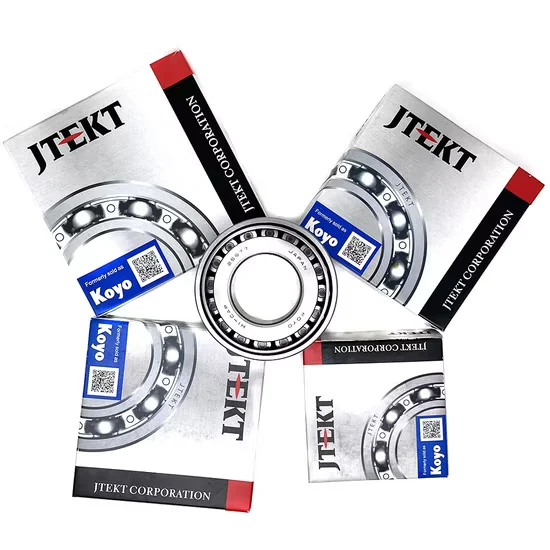
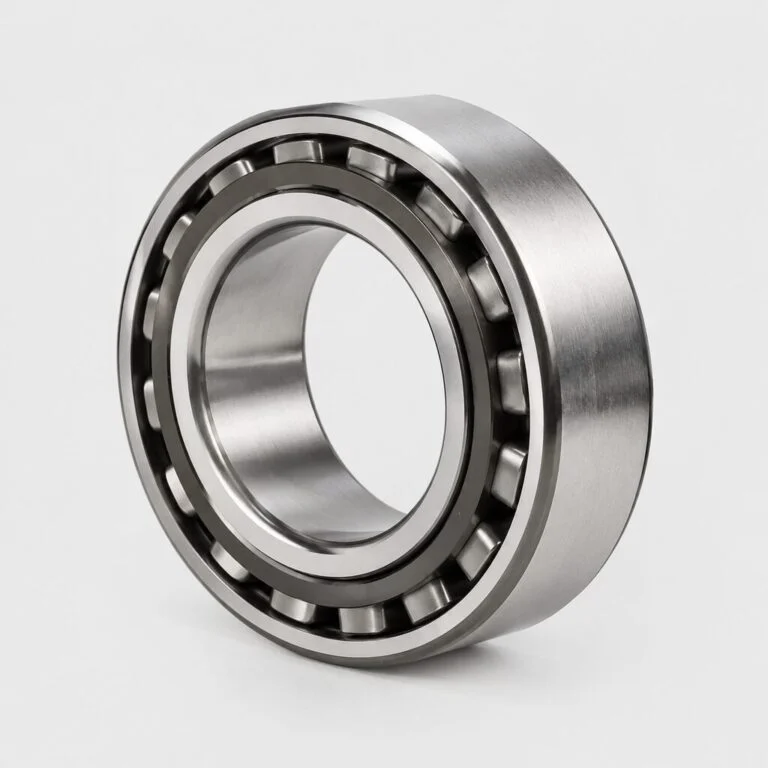
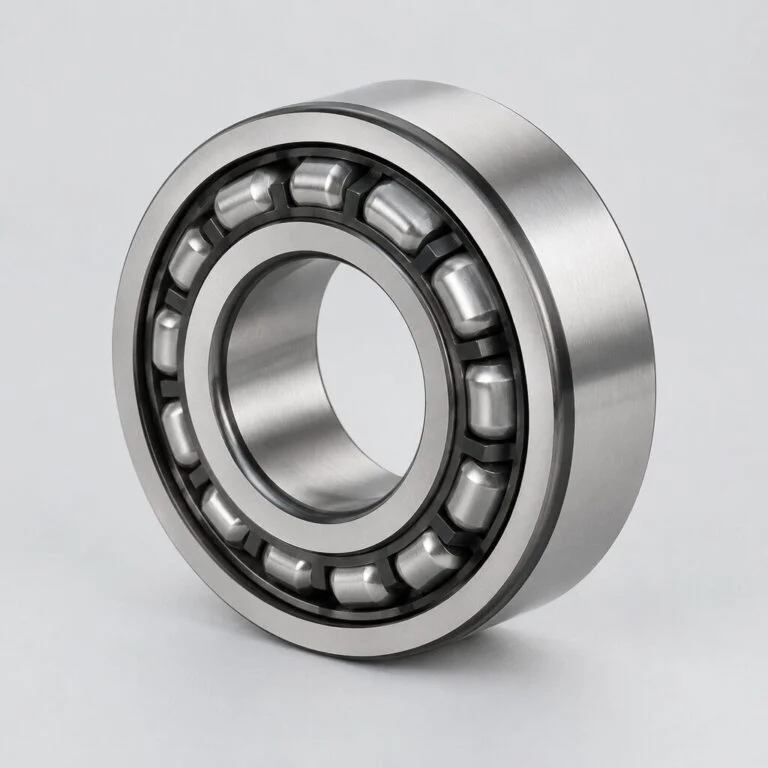
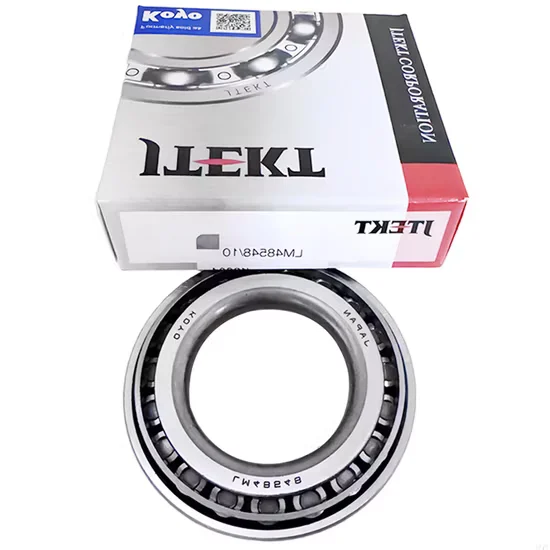
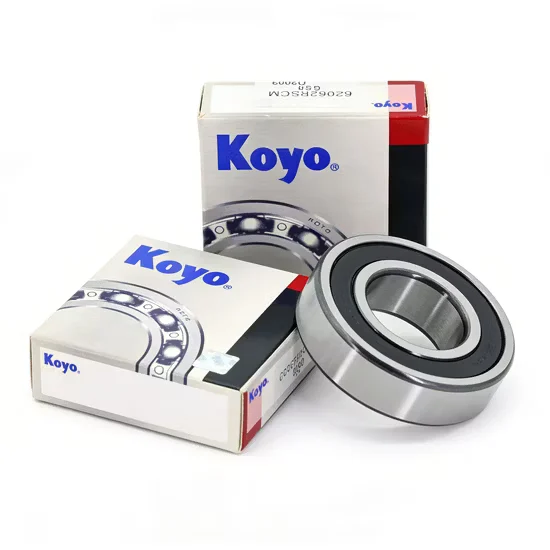
Traceable Factory Batches — Every Koyo 30203 30204 30205 30206 30207 tapered roller bearing shipment includes original manufacturing lot codes for full lineage verification.
Technical Specifications
| Parameter | Value |
| Designation | 30203 30204 30205 30206 30207 |
| Bearing Type | Tapered Roller Bearing |
| Material | Bearing steel variants available |
| Precision Rating | P0, P6, P5, P4, P2 options |
| Number of Rows | Single, Double, Four row configurations |
| Load Direction | Radial Bearing |
| Usage | Machine, Automotive wheel hubs, Truck axles, Industrial gearboxes, Auto Parts |
| Origin | China |
Application Suitability
| Industry | Typical Applications |
| Automotive | Wheel hub assemblies, steering knuckles |
| Commercial Vehicles | Truck axle differentials, transmission shafts |
| Industrial Machinery | Heavy-duty gearboxes, reduction units |
Why Hammering the Outer Ring Destroys Your Koyo 30203 30204 30205 30206 30207 tapered roller bearing
Impact forces on the outer race transmit directly to the rolling elements, causing microscopic brinelling that leads to premature noise and catastrophic cage failure.
I spent years in auto parts after-sales before shifting to bearing distribution, and I still remember a batch of warranty claims where mechanics used steel hammers to force hub bearings into place. The rollers suffered invisible damage during installation, leading to grinding noises and complete disintegration well before the expected service interval. Sourcing authentic components is only half the battle; preventing reckless installation practices is what actually protects your reputation. When maintenance crews bypass proper mounting tools to save time, the resulting warranty claims and vehicle downtime far exceed the initial cost of the correct tooling.

Matching Metric Tapered Series to Drivetrain Demands
Matching the correct metric tapered roller series to your specific drivetrain or gearbox requirements ensures optimal load distribution across the contact lines. Our engineering team cross-references your OEM part numbers to supply the exact Koyo 30203 30204 30205 30206 30207 tapered roller bearing configurations needed for mixed-size consolidation orders. This approach eliminates the guesswork in automotive and industrial maintenance sourcing. By analyzing your specific application parameters, we help you avoid over-specifying or under-specifying the internal geometry, ensuring that the bearing operates within its designed fatigue life parameters while minimizing unnecessary procurement costs for your maintenance inventory.
Operational Challenges in Hubs and Gearboxes
Wheel hubs and industrial gearboxes subject these components to complex combined loading, where radial forces from vehicle weight intersect with axial thrust during cornering or gear meshing. Elevated operating temperatures can alter internal clearance, making the selection of the appropriate precision class and internal geometry critical for maintaining the lubricant film. Inadequate sealing or contaminated grease rapidly accelerates wear on the raceways, especially in off-highway or heavy-duty environments. Proper lubrication intervals and strict contamination control are mandatory to prevent surface fatigue. Furthermore, the thermal expansion of the shaft and housing materials must be carefully calculated to prevent the bearing from becoming overly preloaded or excessively loose during continuous high-speed operation.
Decoding the 30200 Series Geometry and Precision
The metric 30200 series designates a standard dimension series for tapered roller bearings, where the bore, outside diameter, and width scale proportionally from the 30203 up to the 30207. Selecting between P0, P6, P5, P4, and P2 precision ratings depends entirely on the rotational speed and runout tolerance of your specific application; higher precision classes minimize vibration in high-speed gearbox shafts. The availability of single, double, and four-row configurations allows engineers to configure the load-carrying capacity and axial clearance to the exact demands of the machinery. Standard bearing steel provides the necessary core hardness and fatigue resistance for typical automotive and industrial operating envelopes.
The Hidden Costs of Incorrect Specification
Specifying an incorrect precision class or ignoring the required internal clearance for a specific thermal environment inevitably results in unplanned downtime and premature failure. When a bearing operates outside its design parameters, the lubricant film breaks down, leading to catastrophic damage to the raceways and rolling elements. This not only voids the manufacturer's warranty but also triggers costly secondary damage to adjacent shafts and housings. Adhering to established failure mode classifications helps procurement teams avoid these hidden operational expenses. Ignoring the specific mounting tolerances or applying incorrect preload during assembly further accelerates wear, turning a minor maintenance event into a major drivetrain overhaul that halts production and damages client trust.
Sourcing with Technical Accountability
We enforce strict traceability on every Koyo metric tapered roller series we ship, ensuring you receive genuine products with verifiable batch documentation rather than unmarked repackaged stock. Our flexible consolidation service allows you to mix single-unit emergency spares with full-pallet project orders across different sizes like the 30205 and 30207 without dealing with multiple suppliers. We provide comprehensive cross-reference support to match your existing domestic or alternative brand inventories to the correct OEM equivalents. Furthermore, our technical team actively advises on proper mounting tools and induction heaters to prevent the exact hammer-strike damage I witnessed in my early after-sales career. This hands-on technical guidance ensures that your maintenance crews install the components correctly, maximizing the return on your procurement investment and extending the service intervals of your critical machinery.
Documentation & Authenticity
- Certificate of Conformity validating the specific Koyo production batch for your 30203 through 30207 order.
- Original factory lot traceability codes printed on both the inner box and outer carton.
- Dimensional and running accuracy inspection reports confirming the selected P-class tolerances.
- Material certification verifying the bearing steel metallurgy for heavy-duty automotive applications.
- Anti-counterfeit labeling intact on all individual packaging upon delivery.
Storage, Handling & Mounting
- Retain the original VCI packaging until mounting to prevent humidity-induced corrosion on the bearing steel races.
- Use dedicated induction heaters for inner ring installation; never strike the outer ring of a 30205 with a hammer.
- Keep single, double, or four-row assemblies sealed to preserve factory-applied rust preventatives and internal clearances.
- Apply clean, lint-free gloves when handling P4 or P2 precision variants to avoid transferring skin acids.
- Verify the specific mounting dimensions and shaft tolerances against the manufacturer catalog before pressing the inner ring.
Technical Inquiry Guidelines
To ensure accurate technical verification, please provide your specific radial and axial load calculations, operating speeds, and thermal conditions for L10 life recalculation. Sharing your exact OEM equipment numbers or existing part cross-references allows our engineering team to confirm the optimal row configuration and precision class. Detailing your environmental exposure, such as dust ingress or moisture levels, helps us recommend the appropriate sealing and lubrication strategy for your application. Supplying these operational details enables our specialists to perform a comprehensive dynamic load analysis, ensuring that the selected bearing configuration delivers reliable performance throughout its intended service lifecycle without unexpected interruptions.
Frequently Asked Questions
Q: How can I verify the authenticity of the received Koyo tapered roller bearings?
A: You can verify authenticity by checking the original factory batch traceability codes on the packaging and cross-referencing them with the manufacturer's official verification channels. We also provide a Certificate of Conformity and anti-counterfeit labeling on every shipment to ensure full lineage transparency for your automotive and industrial inventory.
Q: What are the precision rating differences for automotive wheel hub applications?
A: Standard P0 or P6 ratings are typically sufficient for most commercial vehicle wheel hubs, providing reliable load support and durability. Higher precision classes like P5, P4, or P2 are generally reserved for high-speed industrial gearboxes or specialized auto parts where minimizing rotational runout and vibration is critical for system longevity.
Q: How do I select the correct number of rows for specific gearbox loads?
A: Single-row configurations handle standard combined loads in most automotive transmissions, while double or four-row arrangements are engineered for heavy-duty industrial gearboxes experiencing extreme radial forces. You should evaluate the specific axial thrust and radial load ratios of your machinery to determine which row configuration provides the optimal load distribution and service life.
Q: What are the recommended mounting practices to avoid premature failure?
A: Always use proper induction heaters or hydraulic presses to install the inner ring, and never apply impact force directly to the outer ring or rolling elements. Striking the outer race with a hammer transmits shock loads through the rollers, causing microscopic brinelling that leads to early noise generation and catastrophic cage disintegration under operational loads.