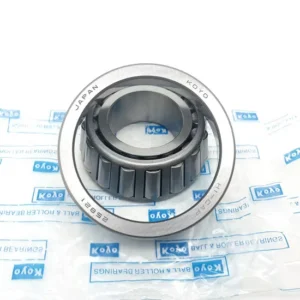
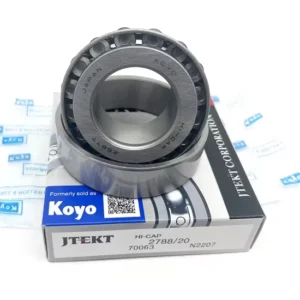
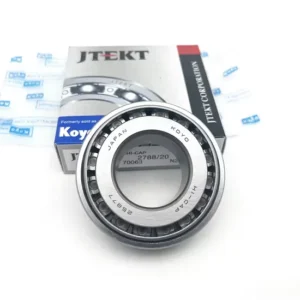
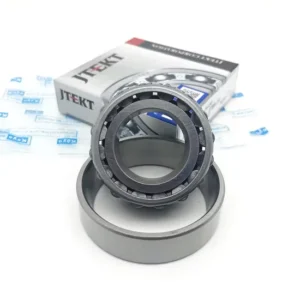
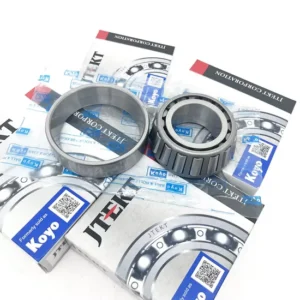
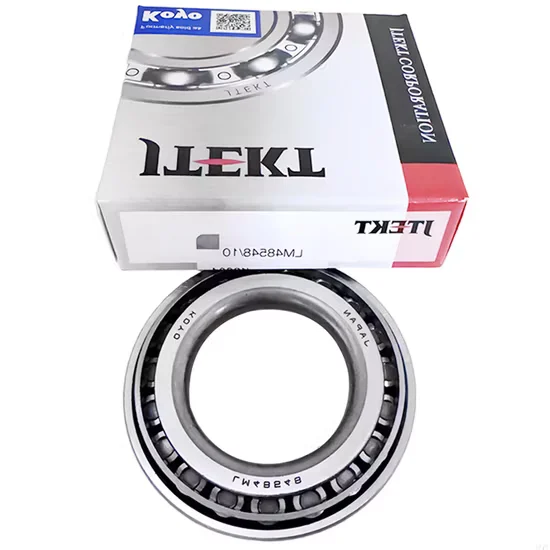
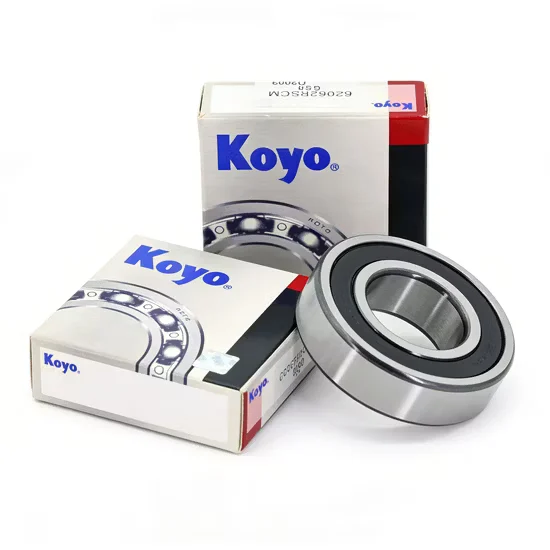
Traceable Heat Treatment Batches — Every production run of these components includes verifiable metallurgical logs linking the raw Gcr15 steel to the final quenching cycle, ensuring predictable performance in high-temperature paper mill environments.
Technical Specifications
| Parameter | Value |
| Designation | 33109 32210 33207 30308 |
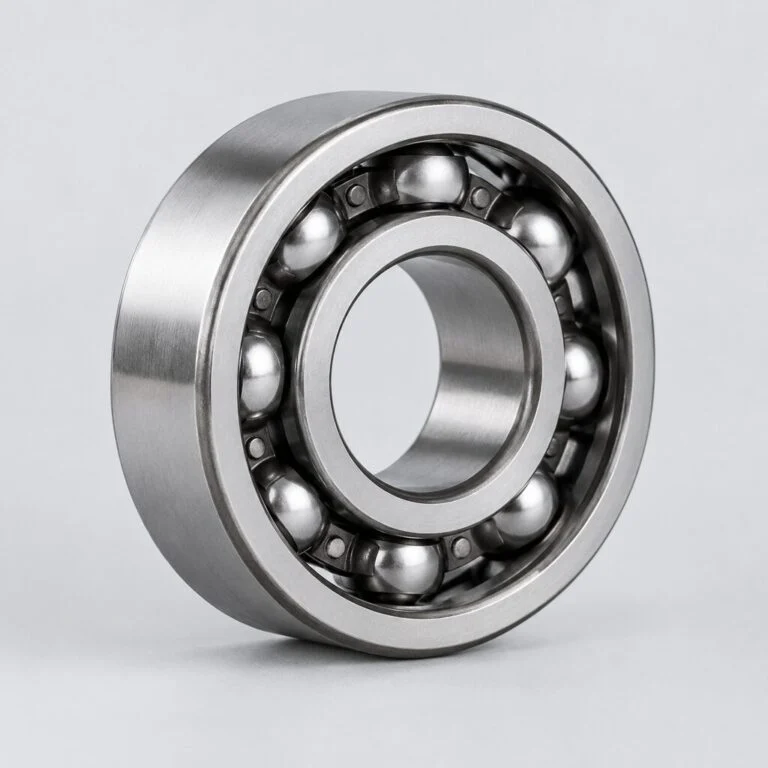
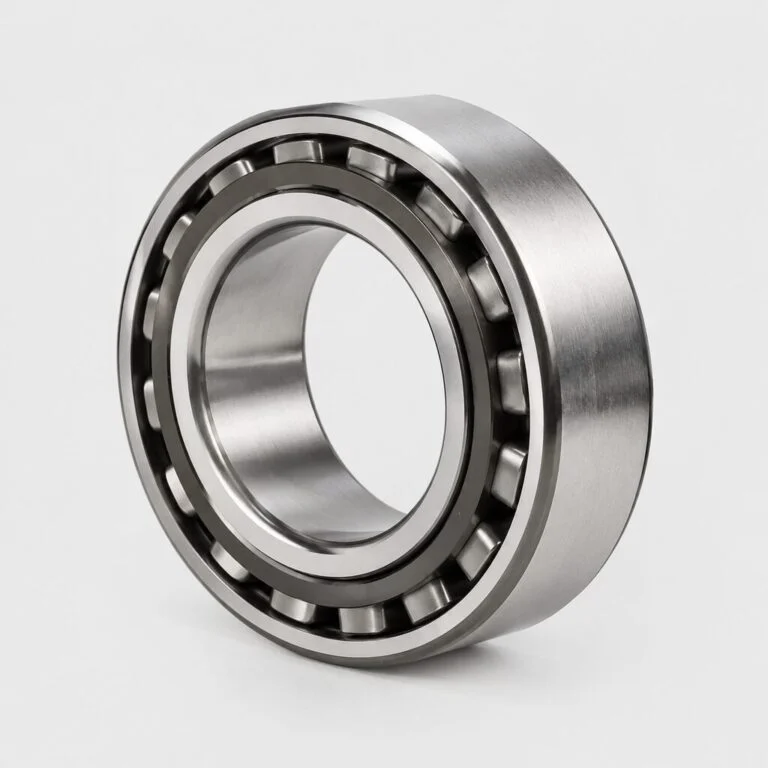
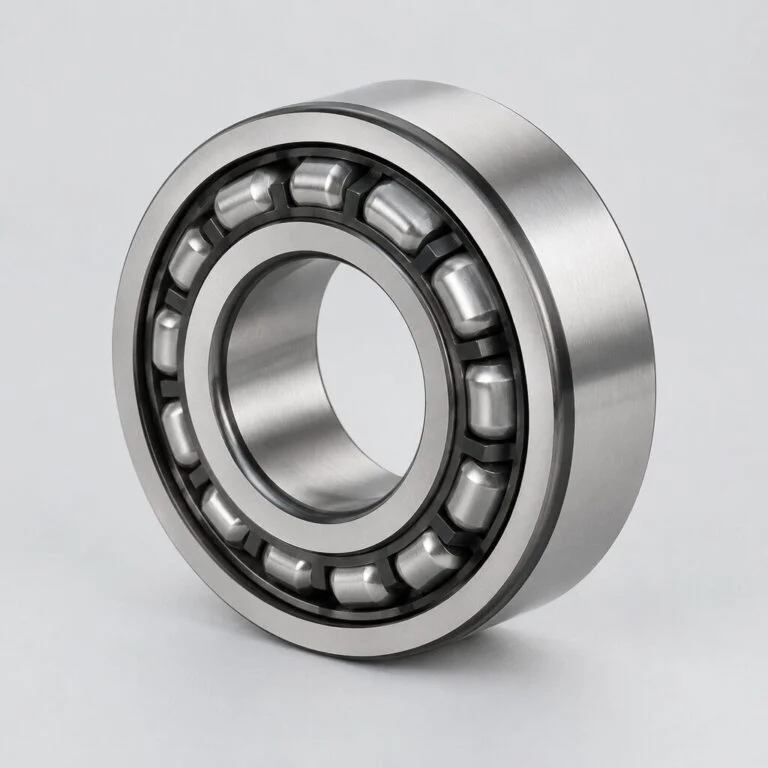
| Bearing Type | Tapered Roller Bearing |
| Material | Chrome Steel Gcr15 |
| Clearance Class | C0 / C2 / C3 / C4 |
| Hardness | HRC58-62 |
| Lubrication | Grease or Oil |
| Origin | Shandong, China |
Application Suitability
| Industry | Typical Applications |
| Paper-making industry | Dryer section felt guide rolls, press section suction roll bearings |
| Manufacturing plants | Heavy-duty conveyor drive shafts, vibratory screen eccentrics |
| Industrial gearboxes | Output shaft support in helical and bevel reduction units |
Thermal Expansion Traps in Paper Mill Gearboxes and How the 33109 32210 33207 30308 tapered roller bearing Avoids Them
Selecting the correct internal clearance prevents catastrophic seizure when ambient and operational heat compound inside enclosed housings.
Early in my technical sales career, after transitioning from the heat treatment and grinding floors in Dongguan, I shipped a standard clearance batch to a paper mill without fully investigating their specific operating conditions. The dryer section's intense heat caused severe thermal expansion that completely eliminated the internal gap, locking the shaft and halting production for an entire shift. That costly downtime taught me to rigorously match clearance classes to specific thermal profiles rather than relying on default catalog assumptions. When dealing with heavy-duty industrial gearboxes or paper-making machinery, assuming standard clearance will suffice is a dangerous shortcut. The 33109 32210 33207 30308 tapered roller bearing must be evaluated against the actual temperature gradient across the housing to prevent similar catastrophic failures.

Matching Internal Clearance to the Dryer Section Thermal Profile
The 33109 32210 33207 30308 tapered roller bearing is available with C0, C2, C3, and C4 clearance options to accommodate varying degrees of thermal expansion across different machine sections. In the high-heat zones of a paper machine, the inner ring expands significantly faster than the outer ring due to its direct proximity to the heated shaft and the insulating effect of the rolling elements. Specifying a C3 or C4 clearance ensures the rolling elements retain sufficient operational space, preventing the preload-induced seizure that plagues incorrectly specified standard clearance parts. Procurement engineers often overlook this thermal differential, focusing solely on static load ratings while ignoring the dynamic geometric changes that occur once the machine reaches its operating temperature. By carefully calculating the expected thermal growth, maintenance teams can select the precise clearance class that maintains optimal load distribution and maximizes the service life of the assembly.
Navigating Combined Loads and Lubrication Starvation in Heavy Machinery
Paper-making machinery and industrial gearboxes subject these components to heavy radial forces combined with significant axial thrust generated by helical gears, misaligned rolls, or process tension. The tapered geometry inherently manages this combined load vector by channeling forces through the precise contact lines between the cup, cone, and rollers. Furthermore, continuous exposure to moisture, steam, and airborne particulates necessitates highly reliable lubrication strategies. Whether the housing is designed for continuous oil bath circulation or periodic grease purging, the selected lubricant must maintain its film strength under elevated operating temperatures and heavy contact pressures. Starvation or degradation of the lubricant film quickly leads to metal-to-metal contact, initiating micro-pitting and spalling on the raceways. Ensuring that the lubrication system is correctly matched to the operational speed and thermal environment is just as critical as selecting the right physical component.
Decoding the Metallurgical and Geometric Specifications for Industrial Durability
Manufactured from Chrome Steel Gcr15, the rings and rolling elements achieve a hardness of HRC58-62, providing the necessary wear resistance and structural integrity for continuous industrial operation. This specific alloy composition perfectly balances core toughness with extreme surface hardness, effectively resisting subsurface fatigue and micro-pitting under heavy, fluctuating contact stresses. The absence of specialized sealing suffixes in this designation indicates an open design architecture, meaning the bearing relies entirely on the housing's external seals and the chosen grease or oil lubrication system to keep out abrasive paper dust and corrosive moisture. Understanding this open configuration is vital for maintenance planners, as it dictates the required frequency of relubrication and the necessary inspection intervals for the housing seals. Ignoring the external sealing requirements will inevitably allow contaminants to breach the raceway, rapidly degrading the precision ground surfaces and compromising the overall reliability of the drive system.
The Hidden Costs of Incorrect Clearance and Lubrication Selection
Failing to account for thermal expansion or selecting the wrong lubrication method leads to rapid operational degradation and severe financial consequences. When internal clearance is exhausted due to unanticipated heat, the resulting friction generates excessive secondary heat, accelerating cage wear and ultimately causing catastrophic seizure that damages the shaft, housing, and adjacent drive components. According to established failure analysis frameworks, these lubrication and clearance-related issues represent a significant share of premature failures in heavy manufacturing plants and paper mills. The resulting unplanned downtime, emergency replacement logistics, and lost production revenue far exceed the initial component investment. Proactively addressing these selection variables during the design or maintenance planning phase eliminates these hidden costs and ensures predictable, long-term asset reliability across the entire production line.
Why Procurement Engineers Source These Models Through Our Supply Chain
Sourcing mixed-brand bearing packages often involves coordinating with multiple vendors, but our consolidated supply chain simplifies this complex process for bulk project orders and urgent MRO requirements. When replacing OEM parts, we provide accurate cross-reference consultation to ensure the 33109 32210 33207 30308 tapered roller bearing equivalents meet your exact dimensional and load requirements without compromising performance. We maintain massive spot inventory for thousands of standard part numbers, effectively eliminating typical multi-week lead times and keeping your critical machinery running. Furthermore, our technical team provides comprehensive post-shipment failure analysis and application guidance, ensuring your maintenance crew installs the components with the correct preload settings and alignment procedures. This combination of competitive sourcing costs, rigorous quality assurance, and deep technical support transforms a simple parts purchase into a long-term reliability partnership.
Documentation & Authenticity
- Material certificates verifying the Gcr15 chemical composition and heat treatment logs.
- Dimensional inspection reports confirming bore and outside diameter tolerances before dispatch.
- Running accuracy test records ensuring smooth operation in high-speed gearbox applications.
- Original manufacturer batch traceability documents linking the physical product to its production date.
Storage, Handling & Mounting
- Store the open-design units in their original anti-corrosion packaging to prevent moisture ingress from humid paper mill environments.
- Use induction heaters for inner ring mounting to avoid damaging the Gcr15 raceway with open flames or uneven localized heating.
- Carefully measure the axial shaft nut tightening angle to set the precise residual clearance required for the C3 or C4 class.
- Apply clean, lint-free gloves during handling to prevent acidic sweat from initiating micro-corrosion on the highly polished roller surfaces.
- Ensure the housing seals are fully intact before introducing oil or grease, as the open design lacks integrated contamination barriers.
Engineering Review and Inquiry Preparation
To ensure optimal selection, please provide the specific radial and axial load values, operational speed, and the maximum expected housing temperature. Sharing the OEM equipment model number allows our engineering team to perform accurate cross-reference verification and L10 life calculations. If the application involves extreme steam exposure, detail the existing sealing arrangement so we can recommend compatible external seal upgrades.
Frequently Asked Questions
Q: How do I determine whether to specify C3 or C4 clearance for a paper machine dryer roll?
A: The choice depends on the temperature differential between the inner and outer rings. In dryer sections where the shaft is heated significantly more than the housing, C4 is often required to compensate for the greater thermal expansion. Provide your operating temperature data, and our technical team will calculate the exact thermal expansion to recommend the safest clearance class.
Q: Can these open-design bearings be converted to sealed units for better contamination protection?
A: These specific designations do not include integrated seals. To protect against paper dust and moisture, you must rely on the housing's external labyrinth or lip seals. If your current housing seals are inadequate, we can supply compatible external sealing solutions or recommend alternative sealed bearing models from our global brand portfolio.
Q: What cross-reference equivalents are available for the 33109 32210 33207 30308 tapered roller bearing?
A: We supply genuine equivalents across premium global brands including SKF, FAG, NSK, and TIMKEN, alongside reliable domestic options. By providing your preferred brand or the original OEM part number, we will supply a detailed cross-reference sheet confirming dimensional interchangeability and load ratings for your specific application.
Q: How should I verify the authenticity and heat treatment quality upon receipt?
A: Every shipment includes material certificates and batch traceability documents. You can verify the Gcr15 composition and confirm the HRC58-62 hardness specifications through these logs. For additional assurance, we can arrange third-party dimensional and metallurgical inspections prior to consolidation and global shipping.
Q: Is grease or oil lubrication better for high-speed industrial gearbox applications?
A: Oil lubrication is generally preferred for high-speed gearboxes as it provides superior cooling and can be filtered to remove wear particles. Grease is suitable for lower speeds or where housing design prevents oil retention. Share your gearbox RPM and housing design details, and we will advise on the optimal lubrication strategy.