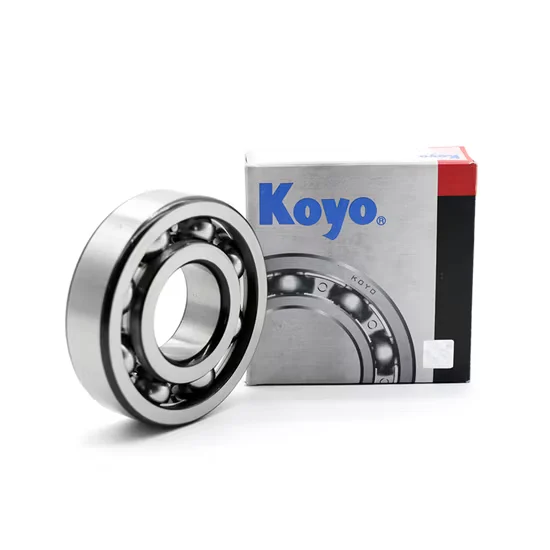
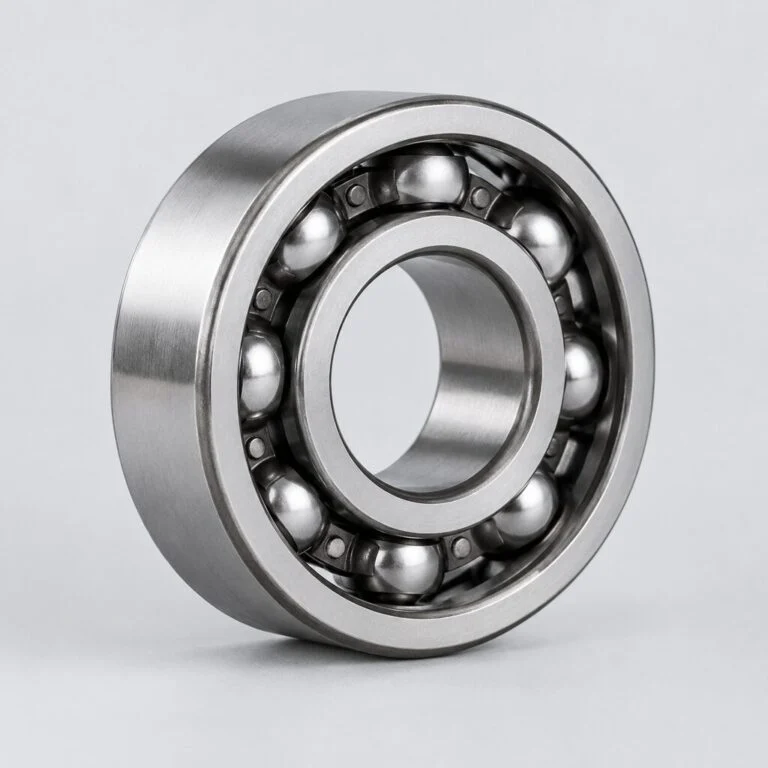
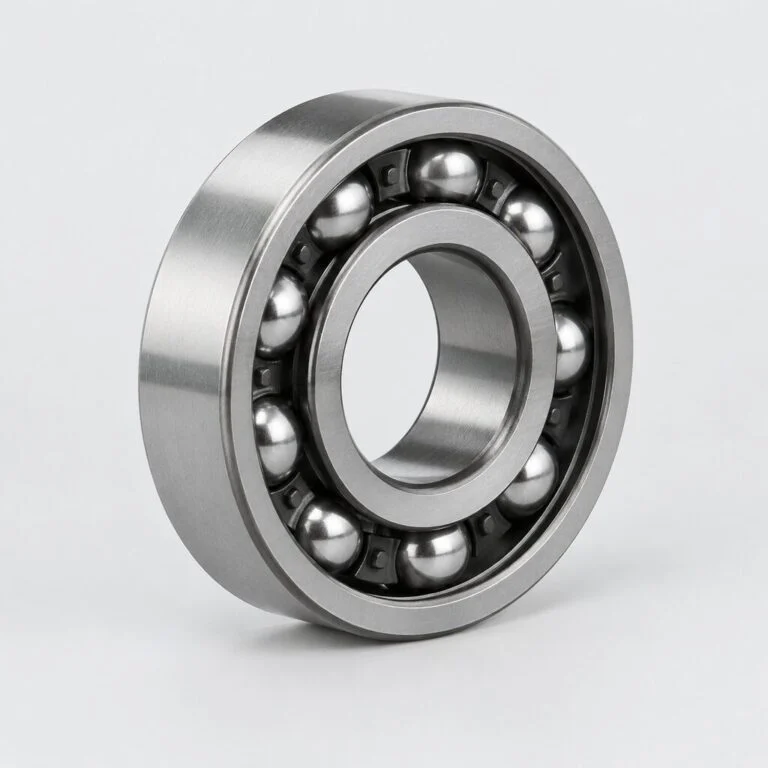
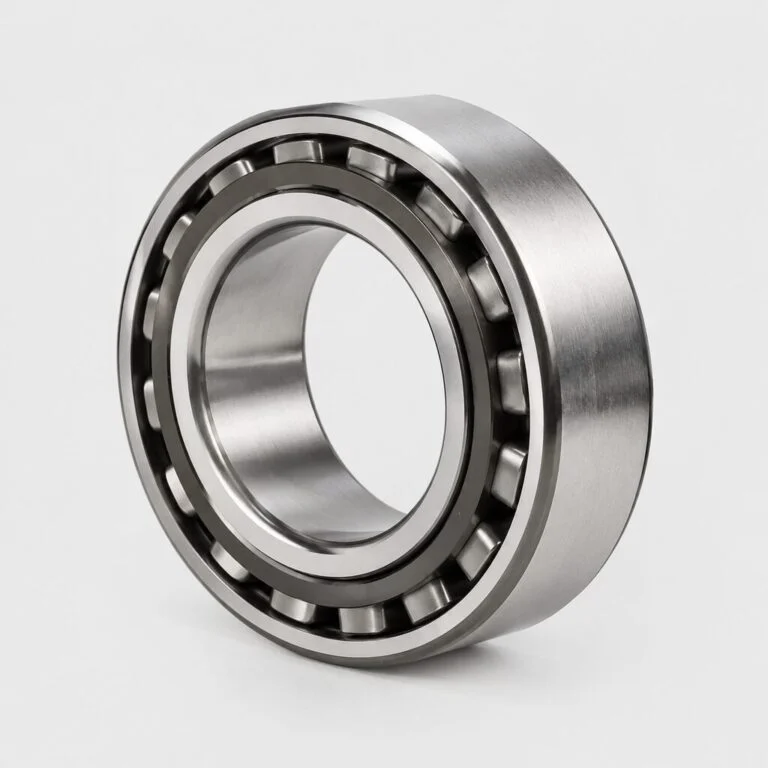
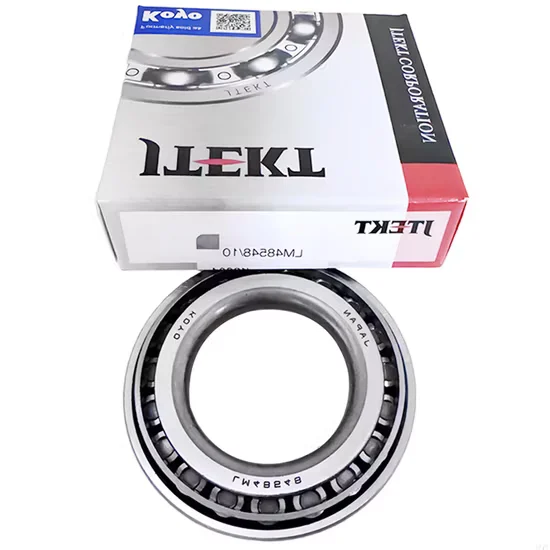
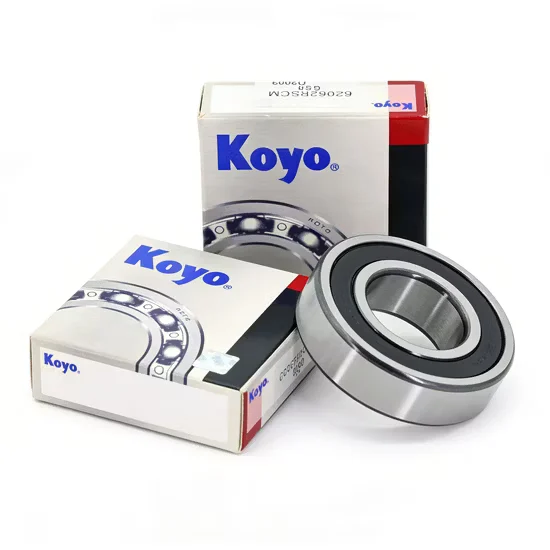
Multi-Brand Sourcing Covered — We consolidate BDL 6808 deep groove ball bearing orders with other premium labels in a single shipment, eliminating multi-vendor coordination for your complex MRO projects.
Technical Specifications
| Parameter | Value |
| Designation | 6808 |
| Bearing Type | Deep Groove Ball Bearing |
| Lubrication | Grease or Oil |
| Precision Class | P0, P6, P5, P4 |
| Vibration | Z1V1, Z2V2, Z3V3 |
| Arrangement | Non-Aligning Bearing |
| Separated | Unseparated |
| Number of Rows | Single |
| Load Direction | Radial Bearing |
| Material | Bearing Steel |
| Contact Angle | 0° |
| Origin | China |
Note: Suffix designations such as Zz, 2RS, and DDU require manufacturer catalog confirmation for exact seal configurations.
Application Suitability
| Industry | Typical Applications |
| Electric Motors | Rotor shaft support and cooling fan assemblies |
| Pumps | Impeller shaft radial load management |
| Conveyors | Idler roller and drive pulley bearings |
| Gearboxes | High-speed input shaft and intermediate gear support |
Preventing Premature Failure When Your BDL 6808 deep groove ball bearing Faces Heavy Dust
Metal shields fail against fine particulates; only proper rubber seals keep the raceway clean.
I learned this the hard way on a Nigerian farm where agricultural motors kept seizing unexpectedly during the harvest season. The original metal-shielded units let fine laterite dust penetrate the raceway, grinding the internals to dust within weeks of installation. Swapping to contact rubber seals completely resolved the unplanned downtime and saved the facility from constant rebuilds. Understanding these specific failure modes is absolutely essential for reliable plant operation and minimizing maintenance interventions.

Matching Seal Types to Motor and Pump Environments
Selecting the right enclosure for a BDL 6808 deep groove ball bearing depends entirely on the contamination level and moisture exposure of your specific facility. While open or shielded variants work well in clean indoor gearboxes where heat dissipation is the primary concern, pumps and agricultural motors demand contact seals to block moisture and abrasive particles. Our engineering team cross-references your exact operating environment, evaluating shaft speeds, ambient conditions, and maintenance intervals, to specify the optimal sealing configuration that perfectly balances friction and protection.
Managing Radial Loads and Vibration in Rotating Equipment
Electric motors and industrial conveyors subject deep groove ball bearings to continuous radial loads and high-speed vibration over extended operational shifts. If the internal clearance and vibration class are mismatched, the rolling elements will skid or generate excessive heat, leading to rapid lubricant degradation and cage wear. Proper grease selection is equally critical, as standard lubricants break down rapidly when exposed to the elevated temperatures typical of continuous-duty pump shafts. Ensuring the correct precision class minimizes noise, prevents resonance in high-speed rotor assemblies, and maintains tight tolerances under thermal expansion.
Decoding Precision and Vibration Classes for Electric Motors
The available precision classes ranging from P0 to P4 dictate the dimensional and running accuracy of the bearing rings and rolling elements. For standard household appliances and basic conveyors, P0 is usually sufficient, but high-speed electric motors require P5 or P4 to minimize vibration and acoustic noise. Similarly, the vibration grades from Z1V1 up to Z3V3 control the surface finish and geometric tolerances of the raceways. A Z3V3 rating ensures exceptionally smooth operation, which is mandatory for precision gearboxes and sensitive pump applications. Available in bearing steel, the material provides the necessary core hardness to withstand these dynamic radial stresses without premature spalling or surface fatigue.
The Hidden Downtime Costs of Ignoring Seal and Clearance Specs
Specifying a standard clearance in a high-temperature pump application leads to internal preload, causing catastrophic damage to the cage and rolling elements as thermal expansion eliminates the operating gap. Conversely, using non-contact shields in a dusty conveyor environment results in rapid abrasive wear and premature failure of the raceways. These missteps void warranty coverage and trigger unplanned downtime that severely impacts production schedules and overall maintenance budgets. Following ISO 281 guidelines for life calculation helps prevent these costly selection errors by accurately accounting for environmental and load factors.
Securing Traceable Inventory for Critical Motor Replacements
Sourcing genuine components is critical, as counterfeit bearings lack the precise raceway geometry and metallurgical consistency needed for high-speed motors. We provide complete batch traceability documentation for every unit, ensuring you receive authentic products directly from the manufacturer's production facilities. Our massive spot inventory covers thousands of standard part numbers, allowing us to fulfill single-unit emergency spare-part orders or full container consolidations without delay. Furthermore, we offer cross-brand equivalent model consultation, helping you find exact replacements when original equipment manufacturer lead times are unacceptable. Our technical team also provides failure analysis support to diagnose root causes and prevent recurring issues in your electric motors and pumps, ensuring long-term operational stability.
Documentation & Authenticity
- Certificate of Conformity verifying the exact precision class and vibration grade of your batch.
- Original batch traceability documents linking the bearing steel heat number to the factory.
- Dimensional inspection reports confirming bore and outside diameter tolerances before dispatch.
- Material test certificates validating the core hardness and chemical composition of the rings.
Storage, Handling & Mounting
- Store the grease-lubricated units in their original packaging to prevent moisture from degrading the factory fill.
- Use induction heaters for mounting, avoiding open flames that could destroy the rubber seal lips.
- Keep shielded variants away from high-humidity zones to prevent condensation from bypassing the metal gaps.
- Handle P4 precision grades with clean cotton gloves to prevent skin acids from etching the raceways.
Requesting Technical Validation for Your Application
To ensure the selected configuration matches your exact needs, please share your radial load estimates, operating speeds, and ambient temperature ranges. Providing the OEM equipment nameplate data allows our engineers to perform a comprehensive cross-reference and L10 life verification. Detailing the specific contamination levels and washdown procedures in your facility helps us recommend the most appropriate seal type for long-term reliability. We will then supply a detailed technical proposal outlining the recommended precision class, internal clearance, and lubrication strategy specifically configured for your application.
Frequently Asked Questions
Q: How do I verify the authenticity and origin of these bearings?
A: Every shipment includes a Certificate of Conformity and original batch traceability documents. You can verify the production origin and material heat numbers directly through the manufacturer's official channels. We also provide dimensional and running accuracy inspection reports to confirm the stated precision class before the components leave our warehouse.
Q: What are the differences between the various seal designations available?
A: Seal configurations dictate how well the bearing excludes contaminants. Metal shields offer low friction for high-speed electric motors but leave microscopic gaps. Rubber contact seals provide superior protection against dust and moisture for agricultural pumps, though they generate slightly more friction. Always consult the official catalog to confirm the exact seal designation for your specific model.
Q: How should I choose the right precision and vibration class for electric motors?
A: Standard P0 precision and Z1V1 vibration levels suffice for general household appliances and low-speed conveyors. However, high-speed electric motors and precision gearboxes demand P5 or P4 precision paired with Z3V3 vibration ratings. This combination minimizes acoustic noise, prevents rotor resonance, and ensures smooth operation under continuous radial loads.
Q: What is the recommended lubrication approach for this specific bearing type?
A: Pre-greased sealed units are designed for maintenance-free operation and should never be regreased, as forcing new grease can rupture the seal lips. Open or shielded variants require periodic relubrication using a grease compatible with the factory fill. Always match the lubricant viscosity to your operating speed and temperature to prevent film breakdown.