
Motorcycle Crank Bearing Replacement Wholesale Supplier
Hammering a bearing into place is not installation; it is destruction.
Proper motorcycle crank bearing replacement requires the use of hydraulic or mechanical press tools to seat the outer ring evenly, avoiding direct impact on the inner ring which causes raceway brinelling and immediate grease starvation. Genuine SKF or NSK deep groove ball bearings must be sourced with full traceability documentation to ensure material integrity before any pressing operation begins.
I still recall the smell of burnt oil and metal in a cramped workshop in São Paulo. A mechanic was wrestling with a seized 150cc engine, convinced the steel quality of the replacement bearings was at fault. He had installed them months earlier using only a hammer and a socket, striking the inner ring directly to force it onto the crankshaft journal. When we dissected the failed unit on the greasy workbench, the cause was not metallurgical defect but mechanical trauma. The impact had created microscopic dents, known as brinelling, on the raceways. These imperfections disrupted the smooth rolling path of the balls, generated excessive heat, and displaced the lubricant from the cage. The engine did not fail because the bearing was weak; it failed because the installation method ignored the fundamental physics of press-fit tolerances. This reality shapes how I approach every inquiry for motorcycle crank bearing replacement today. It is not enough to supply genuine parts; the technical context of their application must be understood to prevent premature failure.
Understanding why components fail after service is critical for distributors and workshop owners who face warranty claims. The assumption that bearing steel is the sole determinant of lifespan is a common misconception. In reality, installation errors account for a significant portion of early failures in high-stress applications like motorcycle crankshafts. When a hammer strikes the inner ring, the force transfers through the rolling elements to the outer ring. This shock load exceeds the yield strength of the hardened steel surface, creating permanent indentations. These indentations act as stress concentrators, initiating fatigue cracks that propagate rapidly under the high rotational speeds of a motorcycle engine. Furthermore, the impact can deform the cage, altering the clearance between the rolling elements and leading to skidding rather than rolling. Skidding generates friction heat, which degrades the grease and accelerates wear. For those managing inventory for motorcycle crank bearing replacement, recognizing these failure patterns helps in educating clients and reducing return rates caused by improper handling rather than product defects.
Why Do Crank Bearings Fail Prematurely After Replacement?
Installation-induced brinelling outweighs material defects in most premature failures.
The primary culprit in early bearing seizure is not the quality of the chrome steel but the method of seating. Direct hammering creates point loads that damage the precision-ground surfaces essential for smooth operation. When the inner ring is struck, the force is not distributed evenly across the circumference. This uneven loading causes the ring to tilt slightly during entry, scraping against the shaft or housing shoulder. The resulting micro-scratches compromise the interference fit, allowing the ring to creep or rotate under load. Rotation of the inner ring on the shaft, known as fretting corrosion, generates abrasive debris that contaminates the lubricant and accelerates wear.
In contrast, proper pressing applies axial force solely to the ring being installed, ensuring it remains perpendicular to the shaft axis throughout the process. This maintains the geometric integrity of the bearing assembly. For a distributor supplying motorcycle crank bearing replacement solutions, emphasizing this distinction is vital. Clients often seek cheaper alternatives when failures occur, blaming the brand. However, switching from unbranded generic parts to genuine SKF or NSK bearings will not solve the problem if the mechanic continues to use a hammer. The superior cleanliness and heat treatment of premium brands provide a higher threshold for durability, but they cannot withstand the abuse of incorrect installation techniques. Educating end-users on the mechanics of failure transforms the conversation from price comparison to value preservation.
Essential Tools for Safe Crank Bearing Extraction and Pressing
Using proper pullers and hydraulic presses prevents structural damage to the crankshaft and bearing.
The right tools are not merely convenient; they are necessary to preserve the dimensional accuracy of the components. A standard slide hammer or blind hole puller is required for extraction, ensuring that force is applied behind the inner ring without damaging the crankshaft web. For installation, a mechanical arbor press or a hydraulic bench press with appropriate adapters is essential. Using a hammer and drift is unacceptable for modern precision bearings. The drift must match the diameter of the ring being pressed to avoid transmitting force through the rolling elements. If the outer ring is being pressed into a housing, the tool must contact only the outer ring. If the inner ring is being pressed onto a shaft, the tool must contact only the inner ring.
A common mistake observed in workshops is the use of oversized sockets or pipes as drifts. These often contact both rings simultaneously, transferring the installation force through the balls or rollers. This practice crushes the cage and damages the rolling elements before the bearing is even seated. For suppliers of motorcycle crank bearing replacement parts, recommending specific tool kits can add value to the transaction. Providing guidance on the correct adapter sizes for common 150cc and larger engine cranks demonstrates technical competence. It shifts the relationship from a simple vendor-buyer dynamic to a technical partnership. Workshops that invest in proper press kits see a noticeable reduction in comeback repairs, as the consistency of the installation improves significantly. The initial cost of the tooling is recovered quickly through saved labor hours and avoided engine rebuilds.
Step-by-Step Guide to Installing Motorcycle Crank Bearings
Heating methods and precise alignment ensure uniform seating and grease retention.
The installation process begins with verifying the cleanliness of the shaft and housing. Any burrs or debris must be removed to prevent misalignment. For motorcycle crank bearing replacement, thermal expansion can aid in seating the outer ring into the housing. Heating the housing to a moderate temperature expands the bore, allowing the bearing to drop into place with minimal force. However, the inner ring must always be pressed onto the shaft using mechanical force. Heating the inner ring is risky as it can alter the temper of the steel if temperatures exceed safe limits.
- Preparation: Clean the crankshaft journal and apply a thin layer of clean engine oil to reduce friction during pressing. Ensure the bearing is unpacked in a clean environment to prevent contamination.
- Alignment: Place the crankshaft in the press with the bearing positioned squarely on the journal. Use a dial indicator if available to verify perpendicularity. Misalignment during pressing causes uneven load distribution and premature wear.
- Pressing: Apply steady, continuous pressure to the inner ring. Avoid jerky movements or impact loads. Monitor the force required; a sudden increase indicates the bearing has reached the shoulder. Stop immediately once seated to avoid over-pressing, which can preload the bearing excessively.
- Verification: Rotate the bearing by hand to ensure smooth movement without binding. Check for any axial play that might indicate incomplete seating.
During this process, the integrity of the grease within the bearing is paramount. Impact installation displaces grease from the critical contact zones between the balls and raceways. Pressing preserves the lubricant film, ensuring immediate protection upon startup. For those sourcing motorcycle crank bearing replacement units, verifying that the bearings are pre-lubricated with high-quality lithium-based grease is important. Genuine brands like NSK and SKF specify the type and quantity of grease used, ensuring compatibility with high-speed motorcycle applications. Improper installation not only damages the steel but also compromises the lubrication system designed by the manufacturer.
How to Verify Bearing Authenticity and Quality Before Installation?
Traceability documents and visual inspection distinguish genuine products from counterfeits.
The market for motorcycle crank bearing replacement is flooded with counterfeit goods that mimic the packaging of premium brands. These fakes often use inferior steel with high inclusion content, leading to rapid fatigue failure. Verifying authenticity requires more than checking the box. Genuine SKF and NSK bearings come with batch numbers that can be traced back to the manufacturing facility. Requesting certificates of conformity or material test reports from the supplier ensures that the products meet ISO standards for dimensional tolerance and hardness.
Visual inspection provides immediate clues. Genuine bearings have precise, laser-etched markings that are sharp and uniform. Counterfeit marks are often stamped poorly or appear blurred. The surface finish of genuine bearings is mirror-smooth, while fakes may exhibit grinding marks or roughness. The cage material and design also differ; premium brands use engineered polymers or stamped steel cages with precise geometry for optimal grease retention. For distributors, maintaining a supply chain with complete traceability documentation is non-negotiable. It protects the reputation of the workshop and ensures that the technical advice provided regarding installation is backed by reliable components. When a mechanic knows that the bearing is genuine, they are more likely to follow the proper installation procedures, understanding that the component deserves careful handling. This synergy between quality parts and skilled labor results in engines that perform reliably over their intended lifespan.
Conclusion
Precision installation preserves the engineering integrity of genuine bearings.
Motorcycle crank bearing replacement success depends on combining authentic components with correct mechanical techniques. Avoiding impact loads and using proper press tools prevents brinelling and ensures long-term reliability. Sourcing from suppliers who provide traceable, genuine products supports this technical rigor, reducing failure rates and enhancing service quality.
Mentioned in this article
Koyo / JTEKT bearings from this guide
These are the Koyo / JTEKT bearing types discussed above. Open any product to check its details, or quote it together with the rest of your repair.
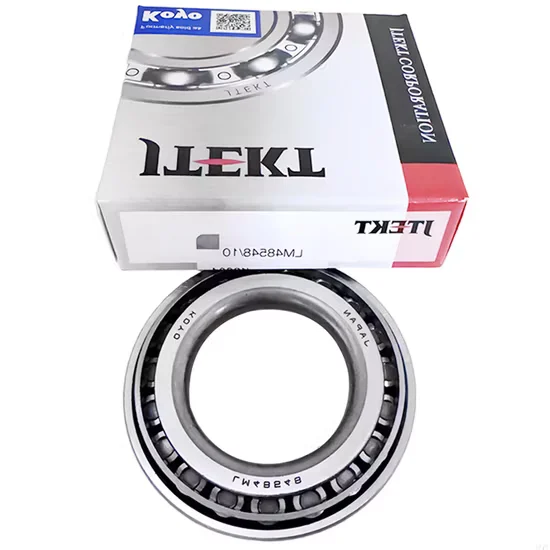
Tapered Roller Bearings
Genuine KOYO 32007 Tapered Roller Bearing Wholesale Supplier
View Product
Tapered Roller Bearings
Genuine KOYO 32006 Taper Roller Bearing Wholesale Supplier
View Product
Cylindrical Roller Bearings
Koyo NSK N408e Cylindrical Roller Bearing Genuine Wholesale Supplier
View Product
Cylindrical Roller Bearings
Koyo N2305e Cylindrical Roller Bearing Genuine Wholesale Supplier
View ProductKeep reading
More bearing selection guides for repair shops
Practical guides from KOYO Bearing Supplier on identifying Koyo / JTEKT bearings for farm machinery, construction equipment and power transmission repairs.
 Installation & Maintenance
· 6 min read
Auto Bearing Jobs Workshop Checklist: Wholesale Supplier
Prevent premature auto bearing failure with a standardized auto bearing installation checklist that addresses critical storage, inspection, and mounting protocols. Verify rotational smoothness, maintain…
Read the Guide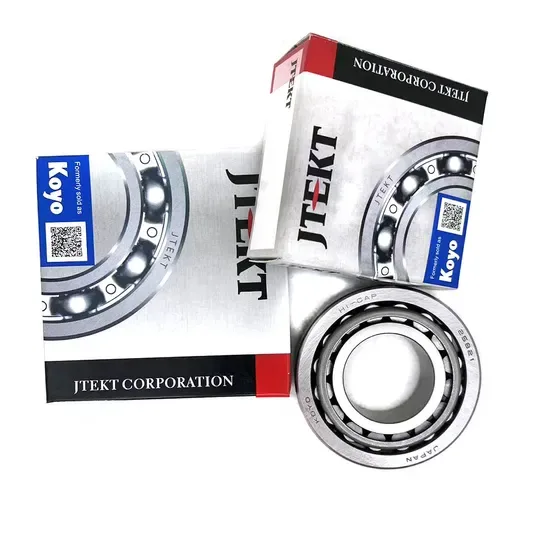 Installation & Maintenance
· 7 min read
Genuine Bearing Supplier for Garage Tools: Wholesale Bulk & MRO
Prevent premature failures with the right garage tools for bearing jobs by addressing installation errors rather than manufacturing defects. Learn systematic removal and pressing…
Read the Guide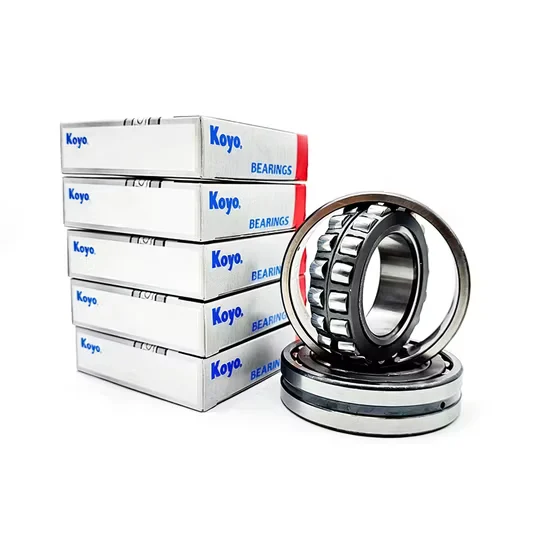 Installation & Maintenance
· 8 min read
Transmission Bearing Noise Diagnosis: Genuine Wholesale Supplier
Master transmission bearing noise diagnosis to distinguish installation errors from clearance defects in harsh environments. Use ultrasonic detection and spectral analysis to identify root…
Read the Guide
Bearing enquiry
Send your machine details. Get a written Koyo / JTEKT quote.
KOYO Bearing Supplier quotes a single bearing position or every bearing in an assembly on one enquiry, matched to your machine model and application, with model, quantity, price, lead time and quote validity in writing.
- WhatsApp+1 (702) 981-5880
- Emailinfo@koyoome.com
- Address8 Research Drive, Greenville, SC 20627, USA
"When a Koyo bearing failed on a harvest machine during the season, we needed a replacement urgently. The supplier identified the correct Koyo reference, shipped same-day, and the machine was back in the field within the day."

Request a Bearing Quote
Tell us the machine and the bearing position. Photos of the markings can follow on WhatsApp.