
Genuine Bearing Supplier for Garage Tools: Wholesale Bulk & MRO
Most bearing failures stem from installation errors, not manufacturing defects.
The right garage tools for bearing jobs are not just about having a hammer and a punch; they require precision presses, calibrated pullers, and genuine components with full traceability. Using improper tools causes hidden micro-cracks in the raceways, leading to premature failure regardless of the brand quality. A standardized approach to selection, removal, and installation is critical for safety and longevity in automotive repair workshops.
I still remember the sound of metal shattering in a busy workshop in Jakarta. It wasn’t a dramatic explosion, but a sharp crack that silenced the room. A lift machine had collapsed slightly, not enough to crush anyone, but enough to send a technician scrambling back in shock. The culprit was a deep-groove ball bearing that had disintegrated after only three months of service. The workshop owner had sourced these parts based on price alone, bypassing standard supply channels. When we cut open the failed unit, the issue was clear: the internal clearance did not match the OEM specifications, and the cage material was brittle. This incident shifted my focus from simple trading to rigorous quality assurance. It highlighted why having a reliable genuine bearing supplier for garage tools is essential for any serious MRO operation.
Why Standard Garage Tools Matter for Bearing Jobs?
Improper tools create invisible damage that guarantees early failure.
Many mechanics believe that if a bearing fits, it will work. This is a dangerous misconception. The forces involved in pressing a bearing onto a shaft or into a housing are immense. If the load is not applied evenly, or if the wrong tool is used, the bearing rings can deform microscopically. These deformities are often invisible to the naked eye but create stress points that lead to rapid fatigue.
Using a hammer and a drift is a common practice in under-resourced garages, but it transfers impact energy directly through the rolling elements. This can dent the raceways, causing noise and vibration almost immediately. Professional garage tools for bearing jobs include hydraulic presses and specialized driver sets that ensure the force is applied only to the strong outer or inner ring, never through the balls or rollers.
| Tool Type | Application Suitability | Risk of Damage | Traceability Requirement |
|---|---|---|---|
| Hammer & Drift | Emergency/Non-critical | High | None |
| Mechanical Puller | Removal of accessible bearings | Medium | Low |
| Hydraulic Press | Installation/Removal of press-fit bearings | Low (if aligned) | High |
| Induction Heater | Installation of large inner rings | Very Low | High |
A European repair group once reported a noticeable drop in comeback repairs after switching to standardized press kits and sourcing only from verified channels. The key was not just the tool, but the consistency of the parts being installed. When you work with a genuine bearing supplier for garage tools, you ensure that the component’s material integrity matches the tool’s precision.
Step-by-Step Guide to Safe Bearing Removal?
Systematic extraction protects the shaft and housing from costly damage.
Removing a bearing is often more difficult than installing it. Rushing this process can score the shaft or crack the housing, turning a simple replacement into a major machining job. The correct method depends on the bearing type and its fit.
- Assess the Fit: Determine if the bearing is loose or press-fit. Check for set screws or locking collars that must be removed first.
- Select the Right Puller: For small bearings, a two-jaw or three-jaw mechanical puller is sufficient. Ensure the jaws grip the inner ring securely. For larger units, a hydraulic puller provides controlled force.
- Apply Force Correctly: The pulling force must be applied to the inner ring if removing from a shaft, or the outer ring if removing from a housing. Never pull through the rolling elements.
- Use Heat if Necessary: If the bearing is seized, induction heating can expand the inner ring slightly, breaking the corrosion bond. Avoid open flames, which can alter the steel’s temper.
I recall a case where a mechanic attempted to remove a tapered roller bearing by welding a nut to the inner ring. The heat affected the surrounding shaft’s hardness, requiring the entire axle to be replaced. This could have been avoided with a proper slide hammer or hydraulic puller kit. Access to the right garage tools for bearing jobs prevents such escalations.
Another critical aspect is safety. A shattered cage during removal can send shrapnel flying. Using a enclosed puller system or ensuring the area is clear minimizes this risk. In one instance, a technician avoided severe injury because he used a guarded puller kit when a heavily corroded bearing finally gave way.
How to Press and Install Bearings Correctly?
Align loads properly using presses to avoid cage deformation and ensure longevity.
Installation is where most errors occur. The goal is to seat the bearing squarely without tilting. A tilted bearing creates uneven load distribution, leading to premature wear on one side of the raceway.
- Clean the Surfaces: Remove all rust, burrs, and old grease from the shaft and housing. Even tiny particles can cause misalignment.
- Check Dimensions: Verify the shaft and housing diameters against the bearing specifications. Use micrometers for accuracy.
- Use a Driver Tool: Select a driver that matches the diameter of the ring being pressed. If pressing the inner ring, the driver must contact only the inner ring.
- Press Slowly and Evenly: Apply pressure gradually. Watch for binding. If the bearing stops moving, do not force it. Recheck alignment.
- Verify Seating: Ensure the bearing is fully seated against the shoulder. Use feeler gauges if necessary.
In my experience, many workshops skip the cleaning step, assuming new parts are clean. However, storage conditions can introduce contaminants. A genuine bearing supplier for garage tools ensures that the parts arrive in protective packaging, but the installation environment must also be controlled.
We provide genuine multi-brand bearings with complete traceability and technical selection support for workshop MRO needs. This means every part number is cross-referenced for compatibility, reducing the risk of installing the wrong clearance class. For example, installing a C3 clearance bearing where a standard clearance is required can lead to excessive vibration and noise.
What Maintenance Checks Prevent Early Failure?
Regular clearance checks and proper lubrication extend service life significantly.
Even with perfect installation, bearings fail if not maintained. Lubrication is the lifeblood of a bearing, but using the wrong type or amount can be detrimental.
- Lubrication Selection: Use grease compatible with the operating temperature and speed. Over-greasing can cause churning and overheating, while under-greasing leads to metal-to-metal contact.
- Clearance Measurement: Periodically check internal clearance if accessible. An increase in clearance indicates wear.
- Vibration Analysis: Unusual noise or vibration is an early warning sign. Use simple stethoscopes or advanced vibration analyzers to detect issues before catastrophic failure.
A common mistake is mixing grease types. Incompatible thickeners can separate, leaving the bearing unprotected. I once inspected a fleet of vehicles where the maintenance team switched grease brands without flushing the old lubricant. The result was a sludge-like substance that blocked the rolling elements, causing multiple failures within weeks.
Proper maintenance also involves monitoring for contamination. Seals should be checked regularly for leaks. In harsh environments, such as mining or construction, more frequent inspections are necessary. Working with a knowledgeable partner ensures you receive the right technical data for each application, helping you choose the best maintenance strategy.
Conclusion
Precision tools and genuine parts form the foundation of reliable automotive repair.
Ignoring the importance of proper installation techniques and verified components leads to unnecessary downtime and safety risks. By adopting standardized procedures and sourcing from a trusted genuine bearing supplier for garage tools, workshops can ensure consistent quality and customer satisfaction. The focus must remain on traceability, correct tool usage, and diligent maintenance to prevent the hidden damages that compromise bearing performance.
Mentioned in this article
Koyo / JTEKT bearings from this guide
These are the Koyo / JTEKT bearing types discussed above. Open any product to check its details, or quote it together with the rest of your repair.
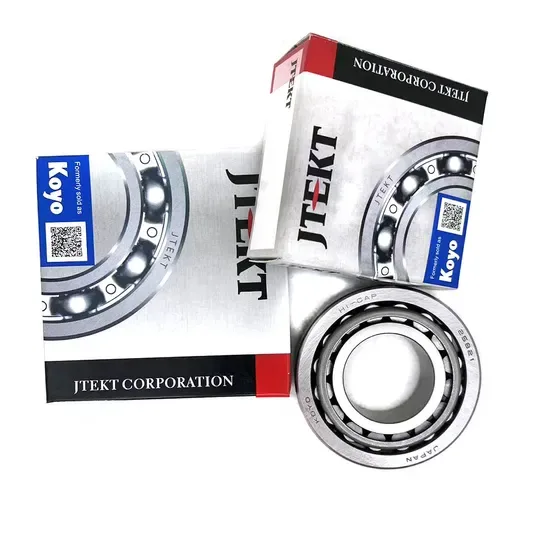
Tapered Roller Bearings
Koyo 32207 30208 30307 Tapered Roller Bearing Genuine Supplier
View Product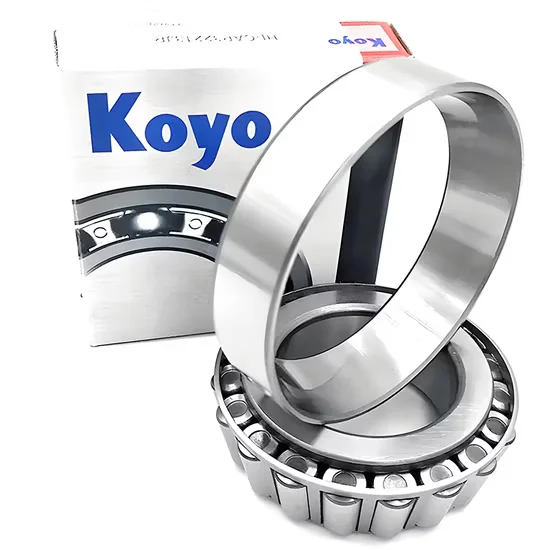
Tapered Roller Bearings
Genuine KOYO 30316 Tapered Roller Bearing Low Noise Original Supplier
View Product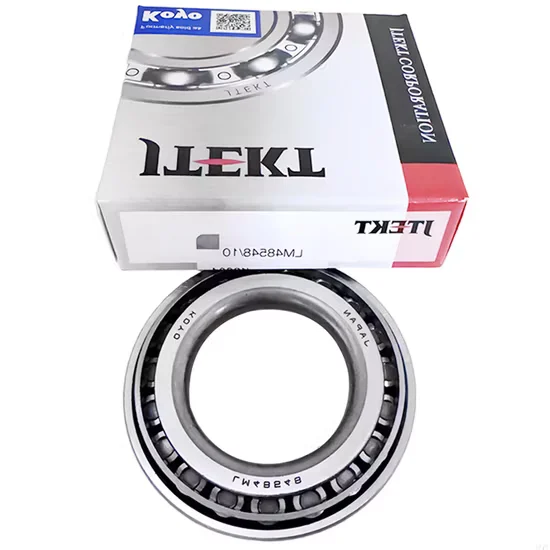
Tapered Roller Bearings
Genuine KOYO 32007 Tapered Roller Bearing Wholesale Supplier
View Product
Tapered Roller Bearings
Genuine KOYO 32006 Taper Roller Bearing Wholesale Supplier
View ProductKeep reading
More bearing selection guides for repair shops
Practical guides from KOYO Bearing Supplier on identifying Koyo / JTEKT bearings for farm machinery, construction equipment and power transmission repairs.
 Installation & Maintenance
· 6 min read
Auto Bearing Jobs Workshop Checklist: Wholesale Supplier
Prevent premature auto bearing failure with a standardized auto bearing installation checklist that addresses critical storage, inspection, and mounting protocols. Verify rotational smoothness, maintain…
Read the Guide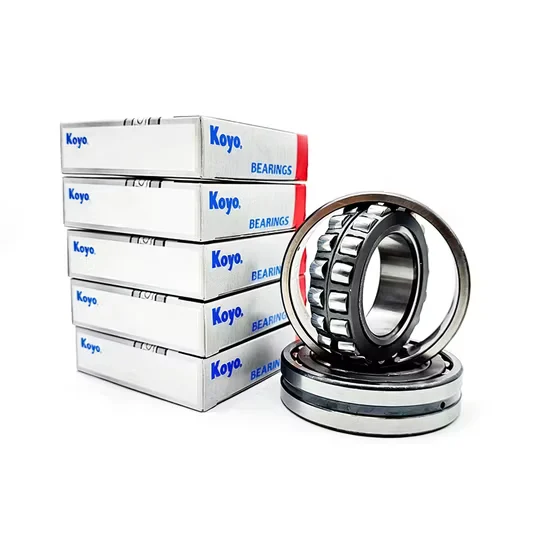 Installation & Maintenance
· 8 min read
Transmission Bearing Noise Diagnosis: Genuine Wholesale Supplier
Master transmission bearing noise diagnosis to distinguish installation errors from clearance defects in harsh environments. Use ultrasonic detection and spectral analysis to identify root…
Read the Guide Installation & Maintenance
· 7 min read
Clutch Bearing Noise Diagnosis: Genuine Parts Wholesale Supplier
Clutch Bearing Noise Diagnosis reveals that whining often stems from improper preload or cross-brand clearance mismatch rather than manufacturing defects. Verify internal clearances against…
Read the Guide
Bearing enquiry
Send your machine details. Get a written Koyo / JTEKT quote.
KOYO Bearing Supplier quotes a single bearing position or every bearing in an assembly on one enquiry, matched to your machine model and application, with model, quantity, price, lead time and quote validity in writing.
- WhatsApp+1 (702) 981-5880
- Emailinfo@koyoome.com
- Address8 Research Drive, Greenville, SC 20627, USA
"When a Koyo bearing failed on a harvest machine during the season, we needed a replacement urgently. The supplier identified the correct Koyo reference, shipped same-day, and the machine was back in the field within the day."

Request a Bearing Quote
Tell us the machine and the bearing position. Photos of the markings can follow on WhatsApp.