
Koyo Wheel Bearings for Workshops Wholesale Supplier
The cheapest unit price often costs the most.
Workshops must prioritize genuine KOYO wheel bearings with traceable sourcing to avoid premature failures caused by mixed or counterfeit batches. Sourcing authentic components is not merely a procurement task but a risk management strategy that protects repair shops from warranty claims and reputational damage.
I still remember the humidity in Tema port. The air was thick, heavy with salt and heat. I had arranged a consolidated container for a West African automotive chain, mixing various brands to fill the space efficiently. It seemed logical at the time: maximize volume, minimize freight cost per unit. But customs held the shipment for weeks due to ambiguous brand authorization documents. During that delay, the container sat on the tarmac under the equatorial sun. When the bearings finally arrived, the internal clearances had shifted. The grease had separated. Within a few thousand kilometers, the workshop faced a wave of noise complaints. The cost of air-freighting replacement units wiped out any savings from the initial consolidation. That experience reshaped how I view supply chains. Paperwork and physical reality are not always aligned.
This guide breaks down why authenticity matters, how to spot compromised stock, and what risks lie in mixed-brand consolidation. For workshops seeking reliability, understanding these nuances is critical when selecting a Koyo Wheel Bearings for Workshops Wholesale Supplier.
Why Do Workshops Need Genuine KOYO Wheel Bearings?
Genuine KOYO bearings ensure optimal load distribution and longevity, preventing costly comebacks.
In the automotive aftermarket, a wheel bearing failure is rarely an isolated incident. It often leads to hub damage, ABS sensor issues, and significant labor hours. Genuine KOYO products are engineered to specific tolerances that ensure consistent performance under varying load conditions. Counterfeit or substandard alternatives may look identical externally but lack the metallurgical consistency required for high-stress applications.
When a workshop installs a non-genuine bearing, the risk is not just immediate failure. It is the erosion of customer trust. A vehicle returning with noise shortly after service suggests incompetence, even if the fault lies with the part. Authentic KOYO bearings undergo rigorous quality control, ensuring that each unit meets the manufacturer’s specifications for hardness, precision, and durability. This consistency allows mechanics to work with confidence, knowing that the component will perform as expected.
For suppliers, offering genuine stock means providing more than just a part number. It means offering peace of mind. Workshops that source from reputable channels reduce their warranty claim rates significantly. The initial investment in authentic components is offset by the reduction in rework and the preservation of the shop’s reputation. In a competitive market, reliability is a key differentiator.
How to Spot Fake or Compromised KOYO Bearings?
Inspect packaging, laser etching, and request traceability documents to avoid altered clearances.
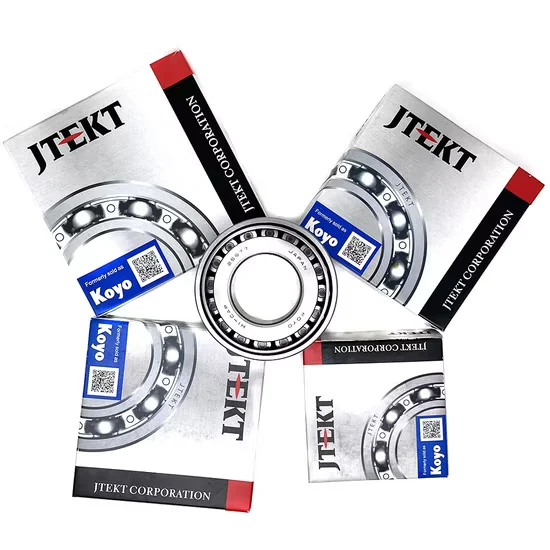
Identifying counterfeit bearings requires a keen eye and a systematic approach. Visual inspection is the first line of defense. Genuine KOYO packaging features high-quality printing with sharp text and consistent colors. Counterfeit boxes often have blurred logos, misspelled words, or flimsy cardboard. Inside, the bearing itself should exhibit precise laser etching of the part number and brand logo. Poorly engraved or painted markings are immediate red flags.
Beyond visual cues, documentation is crucial. A reliable supplier will provide traceability documents that link the batch to the manufacturer’s production records. These documents verify the origin of the goods and confirm that they have not been tampered with during transit. Without this paper trail, it is impossible to guarantee the integrity of the product.
Another critical aspect is the internal clearance. Bearings stored in improper conditions, such as high humidity or extreme temperatures, can suffer from corrosion or grease degradation. This compromises the internal clearance, leading to premature wear. Requesting technical data sheets and storage condition reports from your supplier helps mitigate this risk. A professional Koyo Wheel Bearings for Workshops Wholesale Supplier will be transparent about their storage and handling processes.
| Feature | Genuine KOYO | Counterfeit/Compromised |
|---|---|---|
| Packaging Quality | High-grade, sharp printing | Flimsy, blurred text |
| Marking Method | Precise laser etching | Painted or poorly engraved |
| Traceability | Full batch documentation | No or forged documents |
| Internal Clearance | Consistent with specs | Altered due to poor storage |
What Are the Risks of Mixed-Brand Container Consolidation?
Improper consolidation leads to customs holds and temperature-induced clearance shifts.
Consolidating shipments from multiple brands into a single container is a common practice to reduce freight costs. However, this approach carries hidden risks. Different brands have different documentation requirements for customs clearance. Mixing them can lead to delays if one brand’s authorization papers are incomplete or disputed. As seen in my earlier experience, these delays can expose the cargo to harsh environmental conditions.
Temperature variance is a silent killer of bearing quality. Bearings are precision components. Exposure to high temperatures can cause the grease to oxidize or separate, altering the lubrication properties. Humidity can lead to surface corrosion, even on sealed units if the packaging is compromised. In a mixed container, the storage conditions are often uncontrolled, increasing the risk of damage.
Furthermore, mixed shipments complicate inventory management and quality control. If a issue arises, tracing the root cause becomes difficult. Was it a manufacturing defect, or did it happen during transit? Without clear separation and documentation, suppliers and workshops are left guessing. This ambiguity can lead to disputes and financial losses.
Choosing a supplier who understands these risks is essential. They should offer solutions that balance cost efficiency with product integrity. This might involve separate packaging for sensitive items or using climate-controlled containers for long-distance shipping. The goal is to ensure that the bearings arrive in the same condition they left the factory.
How to Choose a Reliable KOYO Bearing Supplier?
Select suppliers offering full traceability, flexible MOQ, and technical support for mixed-batch orders.
Finding the right partner goes beyond checking a price list. A reliable Koyo Wheel Bearings for Workshops Wholesale Supplier acts as an extension of your own quality assurance team. They should provide full traceability for every batch, allowing you to verify the origin and history of the products. This transparency builds trust and reduces the risk of receiving counterfeit goods.
Flexibility in minimum order quantities (MOQ) is another key factor. Workshops have varying needs, from single-unit emergency replacements to bulk orders for routine maintenance. A supplier who can accommodate both ensures that you never face downtime due to stockouts. This flexibility also allows workshops to test new products or brands without committing to large volumes.
Technical support is equally important. Bearings are complex components, and selecting the right one requires expertise. A good supplier will offer cross-reference services, helping you find equivalent models from different brands if necessary. They should also provide guidance on installation and maintenance, helping your technicians avoid common mistakes. This level of support adds value beyond the transaction.
When evaluating potential suppliers, ask about their quality control processes. Do they inspect goods before shipment? Do they have partnerships with authorized distributors? These questions reveal their commitment to quality. A supplier who invests in these areas is more likely to deliver consistent, reliable products.
Conclusion
Authenticity is the foundation of workshop reliability.
Sourcing genuine KOYO wheel bearings requires diligence, from verifying packaging to demanding traceability. Avoiding the pitfalls of mixed consolidations and counterfeit stocks protects your business from costly failures. By partnering with a transparent and supportive Koyo Wheel Bearings for Workshops Wholesale Supplier, workshops can ensure consistent quality and customer satisfaction.
Mentioned in this article
Koyo / JTEKT bearings from this guide
These are the Koyo / JTEKT bearing types discussed above. Open any product to check its details, or quote it together with the rest of your repair.
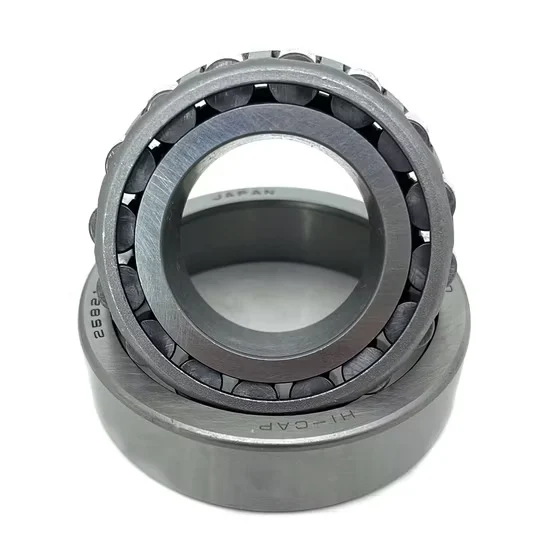
Tapered Roller Bearings
Genuine Koyo Tapered Roller Bearing 30123 30214 30215 30216 30217 for Car Wheel Hub
View Product
Wheel Bearings
Koyo Dac34640037 Wheel Hub Bearing Genuine Auto Spare Parts
View Product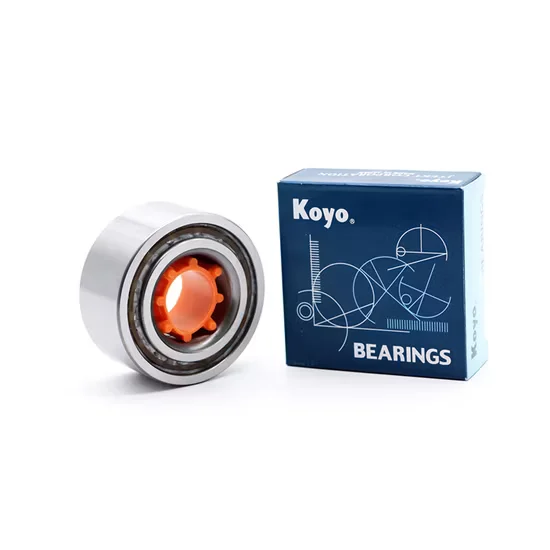
Cylindrical Roller Bearings
Koyo Bahb311316b Auto Wheel Bearing Drive Axle Hub Unit
View Product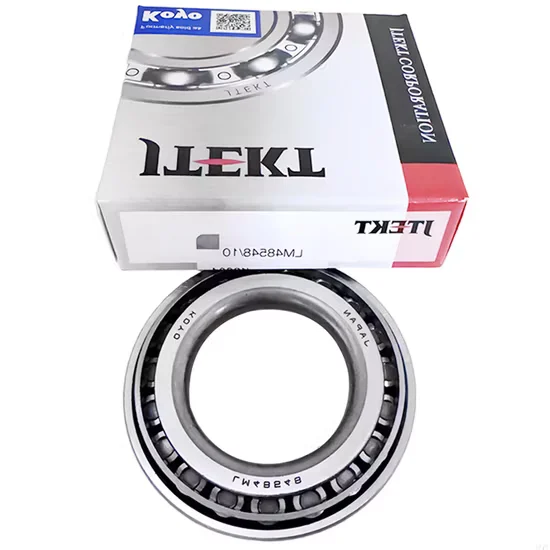
Tapered Roller Bearings
Genuine KOYO 32007 Tapered Roller Bearing Wholesale Supplier
View ProductKeep reading
More bearing selection guides for repair shops
Practical guides from KOYO Bearing Supplier on identifying Koyo / JTEKT bearings for farm machinery, construction equipment and power transmission repairs.
 Buying Guide
· 8 min read
Koyo Auto Bearings Wholesale Supplier & Bulk Quote
Request a Quote for Koyo Auto Bearings that accounts for total landed cost, not just FOB price. Optimize margins through mixed-container consolidation and ensure…
Read the Guide Buying Guide · 7 min read
Koyo Auto Bearings Wholesale Supplier for Parts Stores
Stocking Koyo auto bearings requires strict verification of suffix codes and traceability to prevent costly assembly failures. Learn essential packaging checks and cross-brand alternatives…
Read the Guide Buying Guide
· 7 min read
Fake Auto Bearings: Neutral Buyer Checks Wholesale Supplier
Master Fake Auto Bearings Neutral Buyer Checks by shifting focus from packaging to internal physical inspections and traceability. Detect counterfeits through acidic rust oil…
Read the Guide
Bearing enquiry
Send your machine details. Get a written Koyo / JTEKT quote.
KOYO Bearing Supplier quotes a single bearing position or every bearing in an assembly on one enquiry, matched to your machine model and application, with model, quantity, price, lead time and quote validity in writing.
- WhatsApp+1 (702) 981-5880
- Emailinfo@koyoome.com
- Address8 Research Drive, Greenville, SC 20627, USA
"When a Koyo bearing failed on a harvest machine during the season, we needed a replacement urgently. The supplier identified the correct Koyo reference, shipped same-day, and the machine was back in the field within the day."

Request a Bearing Quote
Tell us the machine and the bearing position. Photos of the markings can follow on WhatsApp.