
Koyo vs SKF Auto Wheel Bearings: Genuine Wholesale Supplier
SKF is not always the superior choice for desert heat.
For extreme heat and heavy loads, both genuine Koyo and SKF auto wheel bearings offer top-tier reliability, but the optimal selection depends on matching specific operating conditions, ensuring authentic supply channels, and evaluating total acquisition costs rather than blindly favoring a single brand.
I have spent years navigating the bustling aisles of Riyadh’s auto parts markets, where the rule taught by master mechanics is simple: judge by the physical evidence, not the logo. I once witnessed a local fleet operator purchase a batch of high-imitation SKF wheel bearings to cut costs. These units were installed on pickup trucks traversing desert highways. Within months, the bearings seized due to excessive heat, destroying both the axle and the hub assembly. The repair costs multiplied far beyond the initial savings. Later, I performed a teardown comparison between genuine KOYO and genuine SKF bearings for the same client. The KOYO units demonstrated remarkable stability in high-temperature clearance control and offered a more practical acquisition cost. In this line of work, seeing such losses firsthand clarifies that selecting bearings requires analyzing actual working conditions and verifying authentic sources, not just chasing brand names.
Understanding the nuances between these two giants helps buyers make informed decisions. Let us explore how they perform under stress, the hidden costs of counterfeits, and how to secure genuine products.
Koyo vs SKF: How Do They Perform in Extreme Heat and Heavy Loads?
Both brands are industry leaders, but KOYO often exhibits unique advantages in high-temperature clearance control, while SKF excels in comprehensive sealing performance.
When vehicles operate in environments like the Middle East or Africa, ambient temperatures can soar, and road surfaces radiate intense heat. Wheel bearings must withstand these conditions without failing. The primary technical challenge is thermal expansion. As temperatures rise, metal components expand. If the internal clearance of the bearing is not designed to accommodate this expansion, the rolling elements can bind, leading to rapid overheating and seizure.
In my experience dismantling units from failed desert fleets, the design philosophy of each brand becomes apparent. SKF bearings are renowned for their robust sealing solutions, which effectively keep contaminants out. However, in some high-load, high-heat scenarios, the seal friction can contribute to additional heat generation. KOYO bearings, particularly those designed for automotive applications, often feature optimized internal geometries and cage designs that manage thermal expansion effectively. The cage material and shape play a critical role in maintaining stability at elevated temperatures.
| Feature | Genuine KOYO Auto Wheel Bearings | Genuine SKF Auto Wheel Bearings |
|---|---|---|
| Sealing Technology | Standard high-performance seals | Advanced multi-lip sealing systems |
| High-Temp Clearance | Optimized for thermal expansion stability | Standard clearance with robust heat dissipation |
| Cage Design | Precision-engineered for low friction at heat | Durable polymer or steel cages depending on series |
| Load Capacity | High radial load rating | High combined radial and axial load rating |
| Authenticity Verification | Laser-etched codes, holographic labels | Unique QR codes, packaging security features |
A case from a construction company in North Africa illustrates this point. They operated a mixed fleet of heavy-duty trucks. Initially, they standardized on one brand based on global reputation. However, after experiencing premature failures in the rear axles of their heaviest loaders, they switched to a matrix approach. For the front steerable axles, where sealing against dust and water is paramount, they continued using SKF. For the rear drive axles, which endure higher constant loads and heat buildup, they introduced genuine KOYO bearings. The result was a noticeable reduction in overall maintenance downtime. This strategic mix leveraged the strengths of each brand rather than relying on a one-size-fits-all solution.
Choosing between Koyo vs SKF auto wheel bearings should not be a matter of brand loyalty but of engineering fit. For resellers and fleet managers, understanding these technical distinctions allows for better inventory planning and customer satisfaction.
What Are the Real Costs of Using Counterfeit Wheel Bearings?
The cost of bearing failure due to counterfeits far exceeds the price difference between fake and genuine products.
The market is flooded with counterfeit bearings that mimic the packaging and appearance of premium brands. These fakes often use inferior steel, lack proper heat treatment, and have poor dimensional accuracy. When a counterfeit bearing fails, it does not just stop rotating. It can seize completely, causing the wheel to lock up. This event can lead to catastrophic damage to the hub, axle shaft, brake components, and even the suspension system.
I recall a wholesale buyer who sourced a large quantity of what he believed were discounted SKF bearings. The price was significantly lower than the market average. After distribution to several repair shops, reports of noise and vibration began to surface within weeks. Upon inspection, the bearings showed signs of premature spalling and discoloration due to inadequate hardening. The buyer had to replace not only the bearings but also compensate for the damaged hubs and labor costs. The total financial loss was several times the amount saved on the initial purchase.
Counterfeiters often replicate the outer packaging with high fidelity, making visual inspection difficult for the untrained eye. However, the internal quality is where the deception lies. The steel purity in genuine bearings from brands like KOYO and SKF is strictly controlled to ensure fatigue life. Counterfeits use lower-grade materials that cannot withstand the cyclic stresses of automotive applications.
| Risk Factor | Genuine Bearings | Counterfeit Bearings |
|---|---|---|
| Material Quality | High-purity vacuum-degassed steel | Low-grade steel with impurities |
| Heat Treatment | Precise hardening for durability | Inconsistent or insufficient hardening |
| Dimensional Accuracy | Micron-level precision | Poor tolerances leading to early failure |
| Failure Consequence | Normal wear over extended service life | Sudden seizure, collateral damage |
| Warranty Support | Full manufacturer warranty | No support or recourse |
For distributors, selling counterfeit goods damages reputation irreparably. Clients lose trust, and future business opportunities vanish. Therefore, verifying the authenticity of every unit is not just a technical requirement but a business imperative. When evaluating Koyo vs SKF auto wheel bearings, ensuring the supply chain is clean is as important as the product specifications themselves.
How to Choose the Right Brand for Your Specific Fleet or Resale Needs?
Select the brand based on operating environment, load profile, and budget, creating a diversified sourcing strategy.
There is no single best brand for every application. The choice between KOYO and SKF should be driven by specific needs. For fleets operating in extremely hot and dusty environments, such as desert regions, the thermal stability and clearance design of KOYO may offer a practical advantage. For vehicles requiring superior protection against water and mud, such as off-road utility vehicles, the sealing technology of SKF might be preferable.
Resellers and wholesalers benefit from stocking both brands. This approach allows them to cater to different customer segments. Some clients prioritize brand recognition and are willing to pay a premium for SKF. Others seek value and reliability, finding KOYO to be an excellent alternative. By offering both, a supplier can capture a larger market share and provide tailored solutions.
A procurement manager for a regional transport company shared his strategy. He analyzed the failure data of his fleet over several years. He found that front-wheel bearings failed less frequently than rear-wheel bearings, but when they did, it was often due to contamination. He specified SKF for front positions due to its sealing. Rear positions, which suffered more from heat-related issues, were switched to KOYO. This data-driven approach reduced his overall spare parts expenditure while maintaining high vehicle availability.
When sourcing Koyo vs SKF auto wheel bearings, consider the following factors:
- Operating Temperature: Assess the typical ambient and operational temperatures.
- Load Conditions: Determine if the application involves heavy radial loads, axial loads, or combined loads.
- Environmental Factors: Evaluate exposure to dust, water, and corrosive substances.
- Budget Constraints: Balance the initial purchase price with the expected service life and maintenance costs.
How to Verify Genuine Bearings and Avoid Supply Chain Risks?
Master official anti-counterfeiting checks and physical inspection techniques to ensure 100% authentic delivery.
Verifying authenticity is the most critical step in the procurement process. Both KOYO and SKF have implemented sophisticated anti-counterfeiting measures. SKF uses unique QR codes on packaging that link to their verification platform. KOYO employs laser-etched identification codes and holographic labels. Buyers must actively use these tools rather than relying solely on visual appearance.
Physical inspection also reveals telltale signs. Genuine bearings have smooth, precise machining on the raceways and rolling elements. The branding is clear, sharp, and evenly spaced. Counterfeits often exhibit rough surfaces, blurry logos, or uneven lettering. The packaging of genuine products is sturdy, with high-quality printing and correct part numbers.
I always advise clients to request traceability documentation from their suppliers. A reputable supplier will provide certificates of origin, material test reports, and batch numbers that can be verified with the manufacturer. If a supplier cannot provide these documents, it is a major red flag.
When dealing with a Koyo vs SKF auto wheel bearings supplier, ask for:
- Original packaging with intact security seals.
- Verification codes checked via official manufacturer apps or websites.
- Batch-specific traceability documents.
- Physical samples for detailed inspection before bulk orders.
Conclusion
Choose based on工况, verify authenticity, and source from trusted partners.
Selecting between KOYO and SKF requires understanding their respective strengths in heat management and sealing. Counterfeit products pose severe financial and safety risks, making verification essential. By adopting a strategic, data-driven approach to sourcing, businesses can optimize performance and cost. Ensuring access to genuine Koyo vs SKF auto wheel bearings through reliable channels is the foundation of long-term operational success.
Mentioned in this article
Koyo / JTEKT bearings from this guide
These are the Koyo / JTEKT bearing types discussed above. Open any product to check its details, or quote it together with the rest of your repair.
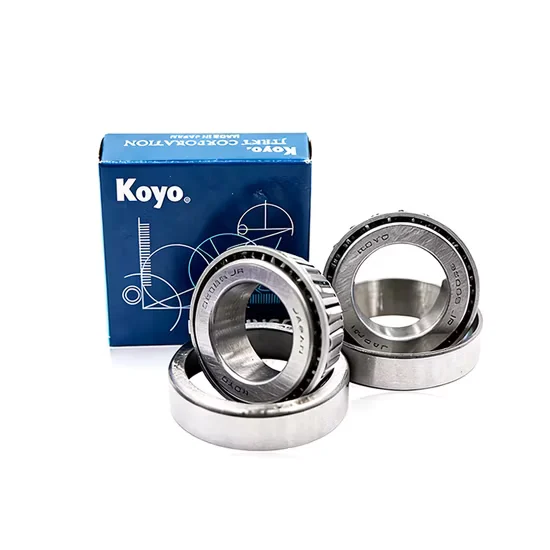
Tapered Roller Bearings
SKF 32314-32317 Series Heavy Duty Taper Roller Bearing for Automotive Chassis
View Product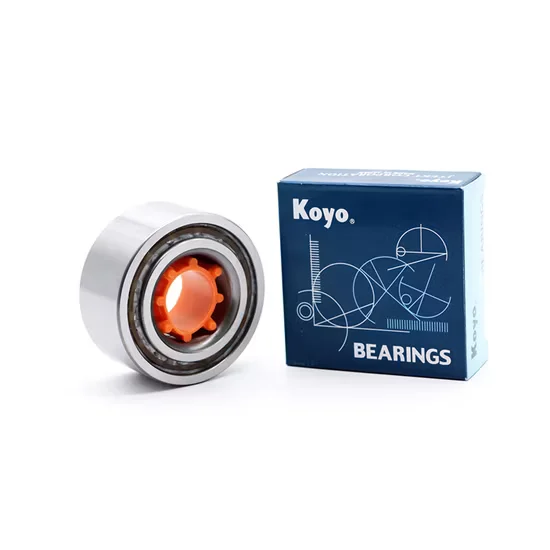
Cylindrical Roller Bearings
Koyo Bahb311316b Auto Wheel Bearing Drive Axle Hub Unit
View Product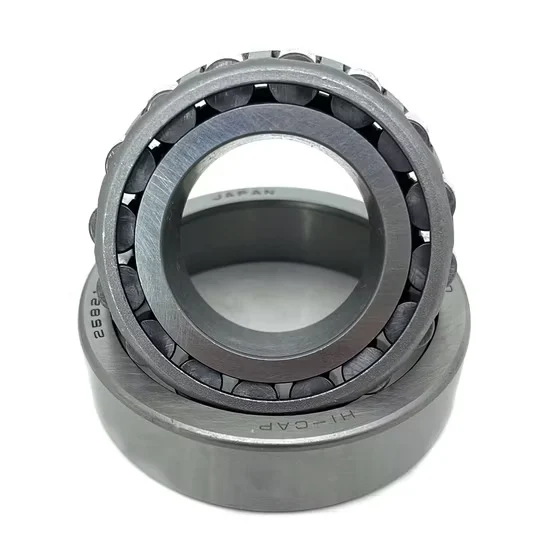
Tapered Roller Bearings
Genuine Koyo Tapered Roller Bearing 30123 30214 30215 30216 30217 for Car Wheel Hub
View Product
Wheel Bearings
Koyo Dac34640037 Wheel Hub Bearing Genuine Auto Spare Parts
View ProductKeep reading
More bearing selection guides for repair shops
Practical guides from KOYO Bearing Supplier on identifying Koyo / JTEKT bearings for farm machinery, construction equipment and power transmission repairs.
 Brands & Alternatives
· 7 min read
Koyo Automotive Bearings Wholesale Supplier for Global Bulk Orders
Master global sourcing of Koyo automotive bearings by solving mixed-brand customs risks and verifying authenticity beyond packaging. Learn to validate technical specs, select reliable…
Read the Guide Brands & Alternatives
· 6 min read
Premium vs Economy Motorcycle Bearings: Wholesale Supplier for Bulk Orders
Choosing between premium vs economy motorcycle bearings requires analyzing total cost of ownership rather than just upfront price. Economy options often fail under heavy…
Read the Guide Brands & Alternatives
· 8 min read
OE Koyo vs Aftermarket Box: Differences for Wholesale Buyers
Understand the critical OE Koyo vs Aftermarket Box differences to avoid severe customs delays and terminal rejections in strict markets. Original packaging features holographic…
Read the Guide
Bearing enquiry
Send your machine details. Get a written Koyo / JTEKT quote.
KOYO Bearing Supplier quotes a single bearing position or every bearing in an assembly on one enquiry, matched to your machine model and application, with model, quantity, price, lead time and quote validity in writing.
- WhatsApp+1 (702) 981-5880
- Emailinfo@koyoome.com
- Address8 Research Drive, Greenville, SC 20627, USA
"When a Koyo bearing failed on a harvest machine during the season, we needed a replacement urgently. The supplier identified the correct Koyo reference, shipped same-day, and the machine was back in the field within the day."

Request a Bearing Quote
Tell us the machine and the bearing position. Photos of the markings can follow on WhatsApp.