
Koyo Idler & Tensioner Bearings Wholesale Supplier
The cheapest unit price often carries the highest total cost of ownership.
Sourcing authentic Koyo idler and tensioner bearings demands strict traceability verification and smart consolidation strategies rather than a simple comparison of sticker prices. Buyers must prioritize batch-level documentation and dimensional tolerance checks over original packaging aesthetics to avoid costly warranty claims and operational downtime.
I still remember the chill of a Chicago winter when I walked into a trade show booth, convinced I had secured a deal on a bulk order of what was promised as factory-fresh components. The price was too good to ignore, and the packaging looked pristine. Months later, my phone wouldn’t stop ringing. North American repair shops were reporting premature failures, with tensioners seizing up and emitting grinding noises shortly after installation. The returns piled up, eroding margins and damaging relationships built over years. That incident taught me that in the bearing industry, a slight deviation in channel integrity or a microscopic variance in parameters can destroy a reputation overnight. Since then, I have focused on dissecting the nuances of supply chain verification, ensuring that every component meets rigorous standards before it reaches the end user.
Understanding these pitfalls is crucial for anyone navigating the complex landscape of automotive and industrial maintenance. Let us explore how to secure reliable supplies while optimizing logistics for diverse operational needs.
How to verify genuine Koyo idler bearings?
Authenticity is proven by traceable batch codes and official certificates, not just by the look of the box.
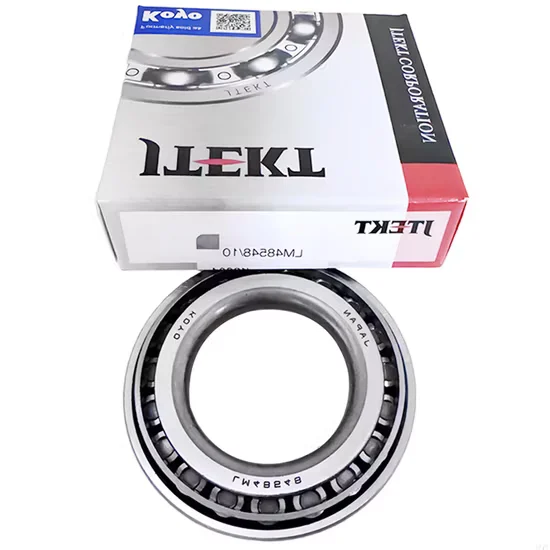
Counterfeiters have become adept at replicating packaging, making visual inspection of the box alone an unreliable method for verification. The true test lies in the ability to trace the product back to its manufacturing origin through specific identifiers. A genuine product will feature laser-etched batch numbers on the bearing itself that correspond exactly with the documentation provided by the supplier. These codes allow for cross-referencing with the manufacturer’s production records, ensuring the item was not diverted from unauthorized channels or refurbished and repackaged.
Consider the case of a distributor in Southeast Asia who received a shipment that appeared flawless. The boxes were sealed, and the labels matched the expected format. However, upon requesting the mill test certificates and cross-referencing the batch codes with the global database, discrepancies emerged. The codes did not align with the production dates claimed on the packaging. By rejecting this shipment, the distributor avoided a potential crisis involving hundreds of faulty units entering the local aftermarket. This scenario highlights the importance of demanding full documentation rather than relying on surface-level checks.
When evaluating a Koyo idler and tensioner bearings wholesale supplier, ask for proof of lineage. If a supplier hesitates to provide detailed traceability documents or offers vague explanations about their sourcing channels, it is a significant red flag. Reliable partners maintain transparent records and are willing to demonstrate the chain of custody for every item they sell. This level of transparency is non-negotiable for maintaining quality control in high-stakes applications.
What are the specs for heavy-duty tensioner bearings?
Match load ratings and clearance classes to the specific thermal and mechanical demands of the application.
Heavy-duty applications, such as those found in mining equipment or commercial fleets, place extreme stress on tensioner systems. Using standard specifications in these environments can lead to rapid degradation and unexpected failure. The key is to select bearings with appropriate internal clearance and load-carrying capacity that align with the operational conditions. For instance, applications subject to high temperatures or heavy shock loads may require bearings with C3 or C4 clearance to accommodate thermal expansion and prevent preloading issues.
A European wind farm operator once faced recurring issues with generator tensioners failing prematurely. The initial replacements used standard clearance bearings, which proved insufficient for the variable loads and temperature fluctuations inherent in the environment. After switching to units with optimized clearance and higher dynamic load ratings, the service life extended noticeably. The reduction in unplanned downtime translated into significant operational savings, proving that technical specificity outweighs generic sourcing.
| Application Factor | Standard Specification | Heavy-Duty Requirement | Verification Method |
|---|---|---|---|
| Internal Clearance | Normal (C0/C1) | Expanded (C3/C4) | Dimensional measurement per ISO standards |
| Load Rating | Basic Dynamic | Enhanced Static/Dynamic | Cross-reference with OEM engineering data |
| Material Quality | Standard Bearing Steel | High-Purity Vacuum Degassed | Mill certificate review |
| Sealing Type | Standard Rubber | High-Temperature Fluoroelastomer | Visual and material composition check |
Selecting the right specifications requires a deep understanding of the machinery’s operating profile. Suppliers who offer technical consultation and can help match part numbers to specific engineering requirements add substantial value. This expertise ensures that the components not only fit but also perform reliably under the intended stress conditions.
Why choose mixed-brand consolidation for MRO?
Consolidating diverse brands reduces shipping complexity and accelerates lead times for urgent repairs.
Maintenance, Repair, and Operations (MRO) departments often need a wide variety of bearings from different manufacturers to keep various pieces of equipment running. Ordering each brand separately results in fragmented shipments, higher freight costs, and prolonged waiting periods. By consolidating orders from multiple premium brands into a single shipment, buyers can streamline their logistics and ensure that all necessary parts arrive simultaneously. This approach is particularly beneficial for urgent repairs where downtime costs are high.
A Middle East steel mill experienced frequent delays because they sourced bearings from multiple separate vendors. Each shipment arrived at different times, causing bottlenecks in their maintenance schedule. By switching to a supplier capable of handling mixed-brand consolidation, they were able to receive all required components in one coordinated delivery. This change reduced their average lead time significantly and simplified inventory management. The ability to source SKF, FAG, INA, and other premium brands alongside Koyo products from a single point of contact transformed their procurement process.
Flexibility in minimum order quantities is another critical factor. MRO needs can range from single emergency replacements to bulk stocking orders. A capable partner accommodates both scenarios, allowing buyers to purchase exactly what they need without being forced into large volume commitments for slow-moving items. This flexibility supports efficient inventory control and cash flow management.
How to avoid counterfeit Koyo bearings in wholesale?
Source exclusively from verified global suppliers who provide complete documentation and adhere to strict quality assurance protocols.
The prevalence of counterfeit bearings in the global market poses a serious risk to equipment reliability and safety. Fake products often use substandard materials and lack the precision engineering required for proper function. To mitigate this risk, buyers must establish relationships with suppliers who have a proven track record of authenticity and who implement rigorous quality control measures. Verifying the supplier’s credentials and requesting evidence of their authorization or direct sourcing channels is essential.
An automotive repair group in Latin America encountered a surge in customer complaints after switching to a new, low-cost supplier. Investigation revealed that the bearings were counterfeits with poor surface finishes and incorrect hardness levels. The resulting warranty claims far exceeded the initial savings from the lower purchase price. By returning to a verified supplier with a transparent supply chain, they restored customer trust and stabilized their return rates. This experience underscores the false economy of buying from unverified sources.
When evaluating a Koyo idler and tensioner bearings wholesale supplier, look for signs of professionalism and integrity. Do they provide detailed technical datasheets? Are they willing to answer specific questions about sourcing and quality control? Do they have a history of positive feedback from reputable clients? These indicators help distinguish legitimate partners from those who may compromise on quality. Building a long-term relationship with a trustworthy supplier is the best defense against the risks associated with counterfeit products.
Conclusion
Prioritize traceability and technical fit over initial price savings.
Securing genuine components requires diligence in verification and a strategic approach to procurement. By focusing on documented authenticity and appropriate specifications, buyers can ensure reliability and efficiency in their operations. Smart consolidation and partnerships with verified suppliers further enhance value by reducing logistical burdens and mitigating risks.
Mentioned in this article
Koyo / JTEKT bearings from this guide
These are the Koyo / JTEKT bearing types discussed above. Open any product to check its details, or quote it together with the rest of your repair.
Tapered Roller Bearings
Genuine KOYO 32007 Tapered Roller Bearing Wholesale Supplier
View Product
Tapered Roller Bearings
Genuine KOYO 32006 Taper Roller Bearing Wholesale Supplier
View Product
Cylindrical Roller Bearings
Koyo NSK N408e Cylindrical Roller Bearing Genuine Wholesale Supplier
View Product
Cylindrical Roller Bearings
Koyo N2305e Cylindrical Roller Bearing Genuine Wholesale Supplier
View ProductKeep reading
More bearing selection guides for repair shops
Practical guides from KOYO Bearing Supplier on identifying Koyo / JTEKT bearings for farm machinery, construction equipment and power transmission repairs.
 Buying Guide
· 8 min read
Koyo Auto Bearings Wholesale Supplier & Bulk Quote
Request a Quote for Koyo Auto Bearings that accounts for total landed cost, not just FOB price. Optimize margins through mixed-container consolidation and ensure…
Read the Guide Buying Guide · 7 min read
Koyo Auto Bearings Wholesale Supplier for Parts Stores
Stocking Koyo auto bearings requires strict verification of suffix codes and traceability to prevent costly assembly failures. Learn essential packaging checks and cross-brand alternatives…
Read the Guide Buying Guide
· 7 min read
Fake Auto Bearings: Neutral Buyer Checks Wholesale Supplier
Master Fake Auto Bearings Neutral Buyer Checks by shifting focus from packaging to internal physical inspections and traceability. Detect counterfeits through acidic rust oil…
Read the Guide
Bearing enquiry
Send your machine details. Get a written Koyo / JTEKT quote.
KOYO Bearing Supplier quotes a single bearing position or every bearing in an assembly on one enquiry, matched to your machine model and application, with model, quantity, price, lead time and quote validity in writing.
- WhatsApp+1 (702) 981-5880
- Emailinfo@koyoome.com
- Address8 Research Drive, Greenville, SC 20627, USA
"When a Koyo bearing failed on a harvest machine during the season, we needed a replacement urgently. The supplier identified the correct Koyo reference, shipped same-day, and the machine was back in the field within the day."

Request a Bearing Quote
Tell us the machine and the bearing position. Photos of the markings can follow on WhatsApp.