
Koyo Drawn Cup Needle Bearings Wholesale Supplier
Checking the part number is not enough to guarantee fit.
Sourcing Koyo drawn cup needle bearings requires strict verification of packaging integrity and radial internal clearance specs, not just part numbers, to avoid transit deformation and assembly failures. The thin outer rings are highly susceptible to denting if palletizing standards are ignored, and mismatched clearance codes like C3 versus CN can lead to thermal jamming in high-temperature applications.
I still remember the screaming match with a client over a batch of Koyo drawn cup needle bearings. We shipped them straight from the port, but the thin outer rings got dented during transit because we skipped the extra palletizing. They jammed right inside the gearboxes on arrival. That mistake taught me the hard way: when sourcing these delicate needle bearings, checking the part number isn’t enough; you must verify the packaging and clearance specs for your exact application.
Understanding these physical vulnerabilities is the first step toward securing a reliable supply chain. Global distributors and OEMs often focus solely on dimensional accuracy, overlooking the logistical fragility inherent to this specific bearing type.
Why Do Koyo Drawn Cup Needle Bearings Fail in Transit?
Thin outer rings require strict palletizing protocols to prevent irreversible damage.
The defining feature of a drawn cup needle bearing is its thin, stamped steel outer ring. This design allows for a compact radial section, making it ideal for space-constrained applications like gearbox shafts and pump assemblies. However, this same structural advantage makes it vulnerable to mechanical shock during shipping. Unlike solid-ring bearings, the outer race cannot withstand significant point loads without deforming.
In one instance, a 20ft container shipment arrived with visible dents on the outer rings of several boxes. The root cause was inadequate palletizing; the cartons had shifted during ocean transit, causing heavy items to press against the bearing packages. This resulted in a noticeable percentage of thin outer ring denting, which caused immediate gearbox jamming upon installation.
To mitigate this risk, export cartons must undergo strict drop-test standards. Implementing reinforced palletizing with load-distributing layers can reduce transit claims significantly. For buyers sourcing Koyo drawn cup needle bearings, verifying that the supplier uses export-grade palletizing is as critical as checking the brand authenticity.
The visual difference between a well-protected shipment and a negligent one is stark. Properly secured cartons maintain their structural integrity, ensuring that the delicate inner components remain untouched until they reach the assembly line.
How to Verify Koyo Needle Bearing Authenticity & Specs?
Traceability documents and clearance codes are the primary indicators of genuine quality.
Counterfeit bearings often mimic the external markings of genuine products but fail in material composition and heat treatment. To verify authenticity, buyers must request traceability documentation that links the batch to the manufacturer’s production facilities. Additionally, checking the radial internal clearance code is essential for performance reliability.
Clearance mismatches are a frequent cause of premature failure. For example, using a standard CN clearance bearing in a high-temperature mining gearbox instead of the specified C3 clearance can lead to thermal expansion issues. This mismatch causes the rolling elements to bind, resulting in a substantial increase in failure rates.
When evaluating a Koyo drawn cup needle bearings supplier, ask for detailed specification sheets that explicitly state the clearance class. Genuine products will have consistent marking quality and provide verifiable batch numbers. A reliable supplier will also offer technical support to help select the correct clearance based on operating temperature and load conditions.
These markings are not just identifiers; they are a promise of performance. Ensuring that the clearance code matches the application requirements prevents costly downtime and extends the service life of the machinery.
Koyo Drawn Cup Series Comparison: Open vs. Sealed
Selecting the right series depends on the contamination level of the operating environment.
Koyo offers various series of drawn cup needle bearings, including the open HK series and the sealed HK..2RS series. The choice between these types should be driven by the specific environmental challenges of the application. Open bearings are suitable for clean environments where regular lubrication is possible, while sealed bearings provide protection against dust and moisture in harsher conditions.
| Feature | Open Series (HK) | Sealed Series (HK..2RS) |
|---|---|---|
| Contamination Protection | None | High (Rubber Seals) |
| Lubrication Requirement | Regular External Lubrication | Pre-lubricated / Maintenance-Free |
| Speed Capability | Higher | Moderate |
| Ideal Environment | Clean, Controlled | Dusty, Wet, Harsh |
A European wind farm operator once switched from open to sealed bearings in their pitch control systems after experiencing frequent contamination-related failures. The change resulted in a noticeable extension of maintenance intervals and a reduction in unplanned downtime.
For buyers of Koyo drawn cup needle bearings, understanding these differences is crucial for optimizing total cost of ownership. While sealed bearings may have a higher initial cost, their ability to withstand harsh environments often leads to long-term savings.
The visual distinction between the two series is clear, with the sealed version featuring prominent rubber seals on both sides. This simple design addition provides robust protection against ingress of contaminants.
Sourcing Checklist for Global Buyers
Packaging standards and documentation completeness are non-negotiable for international shipments.
Sourcing bearings from overseas involves navigating complex logistics and regulatory requirements. A comprehensive sourcing checklist helps ensure that every aspect of the transaction meets international standards. Key items include verifying packaging standards, confirming minimum order quantity flexibility, and ensuring all customs documentation is accurate.
Global distributors often require mixed-container consolidation to optimize shipping costs. A reliable supplier should be able to handle mixed-brand and mixed-size orders without compromising on packaging quality. This flexibility is particularly important for wholesalers who serve diverse local markets with varying demand patterns.
Additionally, customs documentation must be precise to avoid delays at ports. Incorrect harmonized system codes or missing certificates of origin can lead to significant hold-ups. Working with a supplier who understands these regulatory nuances ensures smoother transit and faster delivery to the end customer.
This structured approach minimizes risks and enhances the efficiency of the supply chain. By focusing on these critical areas, buyers can secure a steady flow of high-quality bearings for their operations.
Conclusion
Reliable sourcing goes beyond the part number.
Success in procuring Koyo drawn cup needle bearings hinges on rigorous attention to packaging integrity and technical specifications. By prioritizing these factors, buyers can avoid common pitfalls such as transit deformation and clearance mismatches. Partnering with a knowledgeable supplier ensures that every bearing delivered meets the highest standards of quality and performance.
Mentioned in this article
Koyo / JTEKT bearings from this guide
These are the Koyo / JTEKT bearing types discussed above. Open any product to check its details, or quote it together with the rest of your repair.
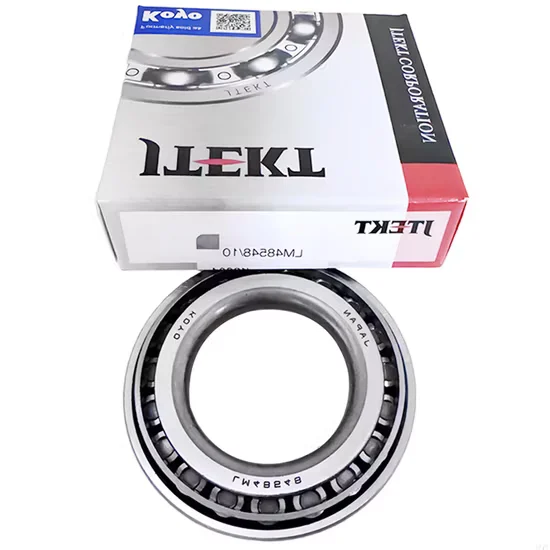
Tapered Roller Bearings
Genuine KOYO 32007 Tapered Roller Bearing Wholesale Supplier
View Product
Tapered Roller Bearings
Genuine KOYO 32006 Taper Roller Bearing Wholesale Supplier
View Product
Cylindrical Roller Bearings
Koyo NSK N408e Cylindrical Roller Bearing Genuine Wholesale Supplier
View Product
Cylindrical Roller Bearings
Koyo N2305e Cylindrical Roller Bearing Genuine Wholesale Supplier
View ProductKeep reading
More bearing selection guides for repair shops
Practical guides from KOYO Bearing Supplier on identifying Koyo / JTEKT bearings for farm machinery, construction equipment and power transmission repairs.
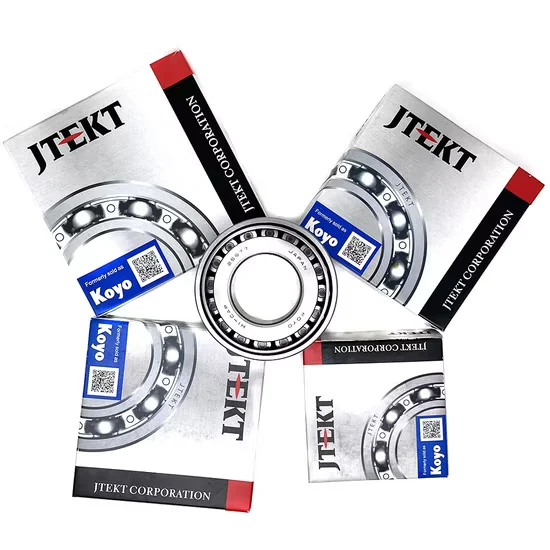 Buying Guide
· 8 min read
Koyo Auto Bearings Wholesale Supplier & Bulk Quote
Request a Quote for Koyo Auto Bearings that accounts for total landed cost, not just FOB price. Optimize margins through mixed-container consolidation and ensure…
Read the Guide Buying Guide · 7 min read
Koyo Auto Bearings Wholesale Supplier for Parts Stores
Stocking Koyo auto bearings requires strict verification of suffix codes and traceability to prevent costly assembly failures. Learn essential packaging checks and cross-brand alternatives…
Read the Guide Buying Guide
· 7 min read
Fake Auto Bearings: Neutral Buyer Checks Wholesale Supplier
Master Fake Auto Bearings Neutral Buyer Checks by shifting focus from packaging to internal physical inspections and traceability. Detect counterfeits through acidic rust oil…
Read the Guide
Bearing enquiry
Send your machine details. Get a written Koyo / JTEKT quote.
KOYO Bearing Supplier quotes a single bearing position or every bearing in an assembly on one enquiry, matched to your machine model and application, with model, quantity, price, lead time and quote validity in writing.
- WhatsApp+1 (702) 981-5880
- Emailinfo@koyoome.com
- Address8 Research Drive, Greenville, SC 20627, USA
"When a Koyo bearing failed on a harvest machine during the season, we needed a replacement urgently. The supplier identified the correct Koyo reference, shipped same-day, and the machine was back in the field within the day."

Request a Bearing Quote
Tell us the machine and the bearing position. Photos of the markings can follow on WhatsApp.