
Clutch Bearing Noise Diagnosis: Genuine Parts Wholesale Supplier
Most clutch bearing noise is not a manufacturing defect.
Clutch bearing noise typically stems from improper installation preload, cross-brand clearance mismatch, or misalignment rather than inherent product failure. Diagnosing these issues requires verifying internal clearances against ISO standards and ensuring correct seating during assembly to prevent false warranty claims.
I still remember the tension in the air at a Chicago auto parts exhibition years ago. A buyer slammed his hand on the table, furious about a batch of clutch release bearings that started whining after just a few hundred kilometers. He was ready to cancel our contract, convinced we had supplied defective stock. I flew to his workshop immediately. When we dismantled the transmission, the bearings looked pristine. The real culprit was not the metal quality but the installation process. The mechanic had used a generic press tool that applied uneven force, and the replacement part came from a different brand with slightly different internal clearance specifications. That night, adjusting the preload and swapping to a matched unit silenced the noise completely. This experience reinforced a critical truth in the aftermarket: clutch bearing noise diagnosis often reveals human error or compatibility gaps, not material flaws.
Understanding this distinction saves distributors from costly returns and helps workshops build trust. Let us break down the technical realities behind these noises.
What Causes Clutch Bearing Noise?
Noise is the primary symptom that triggers warranty claims, yet it is rarely the result of a factory defect. In most cases, the root cause lies in the interaction between the bearing and its operating environment. When a clutch bearing begins to whine or grind, it indicates that the internal geometry has been compromised by external forces.
The most frequent offender is improper preload. During installation, if the release fork applies excessive constant pressure on the bearing face, the rolling elements are forced into continuous rotation even when the clutch is engaged. This generates heat, degrades the lubricant, and leads to early fatigue. Another major factor is misalignment. If the transmission input shaft and the engine crankshaft are not perfectly coaxial, the bearing experiences radial loads it was not designed to handle. This uneven stress causes the cage to deform and the balls or rollers to skid rather than roll, creating a distinct grinding sound.
Cross-brand replacement issues also play a significant role. While two bearings may share the same outer dimensions, their internal clearances can vary significantly between manufacturers. A bearing designed for a loose fit in one system may fail catastrophically in another that requires a tight tolerance. This is why clutch bearing noise diagnosis must start with a review of the installation history and part sourcing rather than an immediate assumption of poor quality.
How to Diagnose the Noise Type?
Identifying the specific type of noise is the first step in accurate troubleshooting. Different sounds point to different failure modes, allowing technicians to pinpoint the issue without unnecessary disassembly.
A high-pitched whining noise that changes pitch with engine speed usually indicates lubrication failure or excessive preload. This sound is often continuous when the clutch pedal is depressed. In contrast, a grinding or growling noise suggests physical damage to the raceways or rolling elements. This type of noise is often irregular and may be accompanied by vibration. A rattling sound, on the other hand, typically points to loose components or severe wear in the bearing cage.
To diagnose effectively, technicians should use acoustic frequency analysis where possible. This method helps distinguish between normal operational hum and abnormal friction frequencies. However, in most workshop settings, a simple stethoscope or long screwdriver pressed against the transmission housing can isolate the source. If the noise disappears when the clutch pedal is fully released, the issue is likely within the release mechanism. If it persists regardless of pedal position, the problem may lie deeper in the transmission input shaft bearings.
| Noise Type | Likely Cause | Diagnostic Check |
|---|---|---|
| High-pitched Whine | Excessive Preload / Lubrication Loss | Check release fork adjustment and grease condition |
| Grinding / Growling | Raceway Damage / Misalignment | Inspect for uneven wear patterns and shaft runout |
| Rattling | Cage Failure / Loose Fit | Verify bearing seating and cage integrity |
Understanding these distinctions prevents misdiagnosis. For instance, replacing a bearing because of a whine without checking the preload will only result in the new unit failing in the same way. This is why professional clutch bearing noise diagnosis relies on systematic elimination of variables.
How to Check Installation Preload and Alignment?
Correct installation is the single most important factor in preventing noise. Even the highest quality bearing will fail if installed incorrectly. Checking preload and alignment requires precision tools and adherence to manufacturer specifications.
First, verify the seating of the bearing. It must sit squarely on the guide tube or input shaft sleeve. Any tilt indicates misalignment, which can be caused by a bent release fork or worn pivot points. Use a dial indicator to measure runout if necessary. Next, check the preload. The release fork should have a small amount of free play before it contacts the bearing. If there is no free play, the bearing is under constant load. Adjust the linkage or hydraulic system to restore the specified clearance.
In my experience, many workshops skip this step, assuming that “tighter is better.” This is a dangerous misconception. Excessive preload generates heat rapidly, breaking down the grease and causing the steel to expand. This thermal expansion further increases the load, creating a vicious cycle that ends in seizure. Proper clutch bearing noise diagnosis involves measuring the distance between the release fork and the bearing face with the clutch engaged. This measurement should match the vehicle manufacturer’s service manual.
Why Do Cross-Brand Replacements Fail?
The aftermarket is filled with interchangeable parts, but “interchangeable” does not always mean “identical.” Cross-brand replacements often fail due to subtle differences in internal clearance and material treatment. While the outer diameter and width may match, the internal geometry can vary.
For example, one brand may design a bearing with C3 clearance for high-temperature applications, while another uses standard clearance for normal conditions. Installing a C3 bearing in a system designed for standard clearance can lead to excessive movement and noise. Conversely, a standard clearance bearing in a high-heat environment may seize due to thermal expansion.
This is where sourcing strategy becomes critical. Distributors who simply swap brands based on price or availability often face higher return rates. To mitigate this, technical selection support is essential. Comparing the internal specifications of different brands ensures compatibility. Our approach involves maintaining a database of cross-reference data that includes not just dimensions but also clearance classes and load ratings. This allows us to recommend the exact equivalent that matches the original equipment manufacturer’s intent.
When a European repair group faced repeated failures with a specific truck model, we analyzed their supply chain. They were mixing brands without checking clearance codes. By standardizing their orders with verified traceability and matching internal specs, the noise complaints dropped noticeably. This highlights the value of genuine traceability and technical guidance in clutch bearing noise diagnosis. It is not just about selling a part; it is about ensuring the part fits the application.
Conclusion
Noise is a symptom, not a verdict.
Effective clutch bearing noise diagnosis requires looking beyond the component itself to examine installation practices, preload settings, and brand compatibility. By understanding the technical nuances of clearance and alignment, distributors and workshops can reduce false warranty claims and improve customer satisfaction. Sourcing from suppliers who provide genuine traceability and technical support ensures that every replacement part meets the precise requirements of the application. This proactive approach transforms a common maintenance headache into an opportunity for building long-term trust and reliability.
Mentioned in this article
Koyo / JTEKT bearings from this guide
These are the Koyo / JTEKT bearing types discussed above. Open any product to check its details, or quote it together with the rest of your repair.

Tapered Roller Bearings
Genuine Koyo Tapered Roller Bearing 32212 32213 32214 32215 32216 for Fan Spare Parts
View Product
Tapered Roller Bearings
Genuine Koyo 32321j2 32320j2 32319j2 32318j2 Taper Roller Bearing for Auto Parts
View Product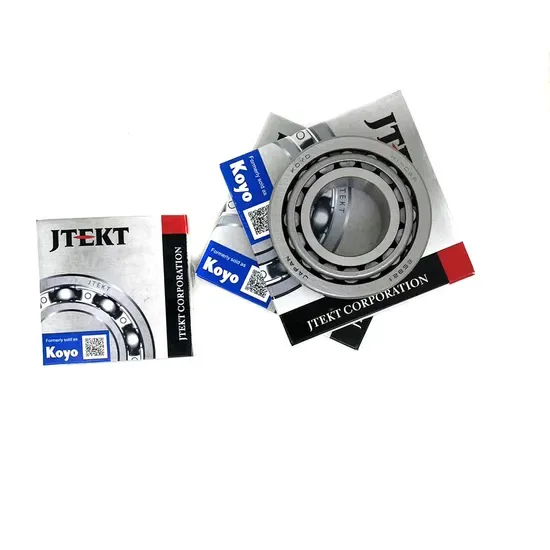
Tapered Roller Bearings
Genuine Koyo 33110 33111 33112 33113 33114 Tapered Roller Bearing Spare Parts
View Product
Tapered Roller Bearings
NSK 30206 30208 30210 30204 Tapered Roller Bearing Genuine Auto Parts
View ProductKeep reading
More bearing selection guides for repair shops
Practical guides from KOYO Bearing Supplier on identifying Koyo / JTEKT bearings for farm machinery, construction equipment and power transmission repairs.
 Installation & Maintenance
· 6 min read
Auto Bearing Jobs Workshop Checklist: Wholesale Supplier
Prevent premature auto bearing failure with a standardized auto bearing installation checklist that addresses critical storage, inspection, and mounting protocols. Verify rotational smoothness, maintain…
Read the Guide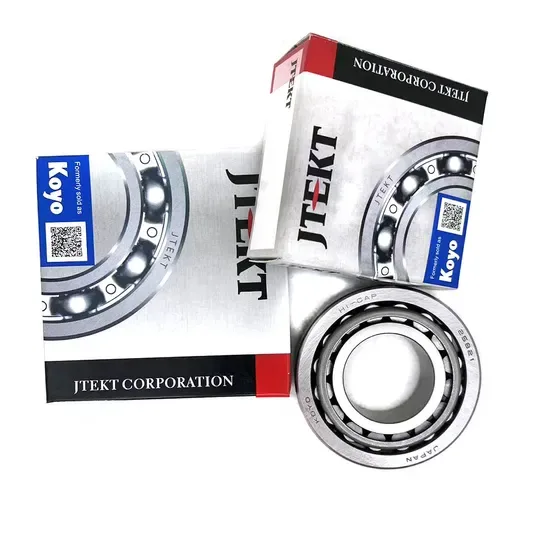 Installation & Maintenance
· 6 min read
Genuine Bearing Supplier for Garage Tools: Wholesale Bulk & MRO
Prevent premature failures with the right garage tools for bearing jobs by addressing installation errors rather than manufacturing defects. Learn systematic removal and pressing…
Read the Guide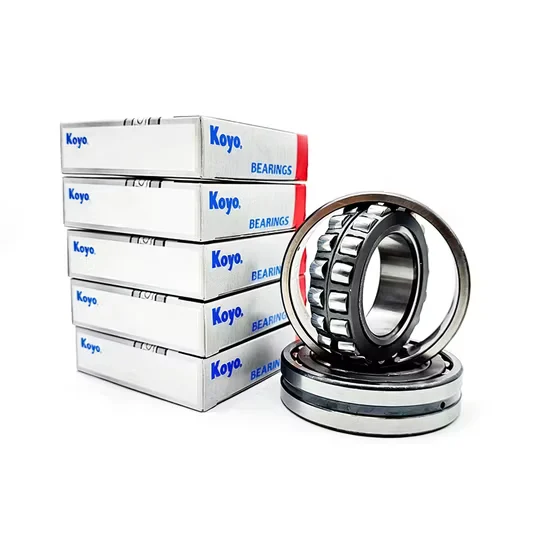 Installation & Maintenance
· 8 min read
Transmission Bearing Noise Diagnosis: Genuine Wholesale Supplier
Master transmission bearing noise diagnosis to distinguish installation errors from clearance defects in harsh environments. Use ultrasonic detection and spectral analysis to identify root…
Read the Guide
Bearing enquiry
Send your machine details. Get a written Koyo / JTEKT quote.
KOYO Bearing Supplier quotes a single bearing position or every bearing in an assembly on one enquiry, matched to your machine model and application, with model, quantity, price, lead time and quote validity in writing.
- WhatsApp+1 (702) 981-5880
- Emailinfo@koyoome.com
- Address8 Research Drive, Greenville, SC 20627, USA
"When a Koyo bearing failed on a harvest machine during the season, we needed a replacement urgently. The supplier identified the correct Koyo reference, shipped same-day, and the machine was back in the field within the day."

Request a Bearing Quote
Tell us the machine and the bearing position. Photos of the markings can follow on WhatsApp.