
Water Pump Bearing Failure Signs: Genuine SKF/NSK Wholesale Supplier
Most operators wait for loud grinding or coolant leaks before acting. By then, the shaft is often scored and the housing damaged.
The earliest water pump bearing failure signs are subtle high-frequency rustling noises and minor temperature spikes above baseline. Detecting these early warnings prevents catastrophic seizure and allows for planned replacement of genuine components rather than emergency overhaul.
I still remember the faint “shasha” sound coming from a centrifugal pump in a Ningbo textile factory. It was barely audible over the motor hum, easily dismissed as normal operational noise. I did not inspect the bearing early fatigue spalling. Within three months, the bearing locked up completely. The impeller seized, the shaft twisted, and the entire pump assembly burned out. The replacement cost was a mid-six-figure loss, far exceeding the price of a timely bearing swap. That incident reshaped how I view maintenance. Now, when I see overseas clients ignoring slight vibration changes or waiting for visible leaks, I feel urgent. Those early friction sounds and thermal rises are critical survival signals. Ignoring them means replacing not just the bearing, but the entire pump assembly.
Understanding these nuances is vital for MRO operators and distributors who aim to minimize downtime. This guide details how to identify these early indicators and source the correct replacements.
What Are the Earliest Water Pump Bearing Failure Signs?
Subtle rustling noise and minor temperature spikes are critical early warnings that precede major mechanical failure.
Many maintenance teams rely on auditory cues, but they often listen for the wrong sounds. The common misconception is that loud grinding indicates the start of failure. In reality, by the time grinding is audible, the bearing races are already severely damaged. The true early warning is a high-frequency friction noise or a subtle rustling sound, often described as a “sandpaper” effect. This noise originates from early-stage fatigue spalling on the raceways or minor contamination entering the rolling element path.
Temperature rise is another silent indicator. A healthy bearing operates at a stable temperature relative to its environment. An increase of even a few degrees above the established baseline can signal lubrication breakdown or increased friction due to misalignment. In high-temperature environments, grease degrades faster, leading to abnormal noise within months if not monitored.
Visual inspection also reveals early signs. Look for discoloration on the outer ring or seal area, which indicates heat buildup. Check for minor weeping around the seal lips. While not a full leak, this weeping suggests the seal is losing elasticity or the internal pressure is rising due to friction.
Identifying these signs requires a shift from reactive to predictive maintenance. It is not about waiting for the pump to stop, but about noticing the slight deviations from normal operation. For distributors and end-users, recognizing these water pump bearing failure signs allows for scheduled downtime rather than unexpected production halts.
How to Inspect Water Pump Bearings Step-by-Step?
Follow a structured visual, acoustic, and thermal inspection routine to detect issues before they escalate.
A systematic approach ensures no early warning is missed. Random checks often fail because they lack consistency. A step-by-step method creates a reliable baseline for comparison.
- Acoustic Inspection: Use a mechanic’s stethoscope or an industrial ultrasound detector. Place the probe on the bearing housing while the pump is running. Listen for consistent, smooth humming. Any irregular clicking, rustling, or high-pitched squealing indicates internal damage. Compare the sound to a known healthy pump of the same model.
- Thermal Measurement: Use an infrared thermometer or thermal camera. Measure the temperature of the bearing housing. Compare it to the motor body temperature and previous records. A sudden spike or a steady climb above the norm suggests lubrication issues or excessive load. Ensure the measurement point is clean and free of paint thickness variations that could affect readings.
- Vibration Analysis: If available, use a vibration analyzer. Focus on specific frequency bands associated with bearing defects. Early fatigue often shows up in high-frequency ranges before it affects overall vibration amplitude. Look for patterns indicative of inner race, outer race, or rolling element defects.
- Visual and Manual Check: With the pump stopped and locked out, check for shaft play. Grab the shaft near the bearing and try to move it radially and axially. Excessive play indicates worn races or loose fits. Inspect the seal area for fresh grease leakage or dried residue, which points to seal failure and potential contamination ingress.
This routine does not require expensive equipment for basic checks. A simple stethoscope and infrared gun can catch the majority of early failures. For critical applications, integrating vibration analysis provides deeper insights. The key is consistency. Perform these checks at regular intervals to establish a trend. A single reading might be an anomaly, but a trending rise in temperature or noise level is a definitive water pump bearing failure sign.
Why Do Water Pump Bearings Fail Prematurely?
Contamination, misalignment, and poor lubrication are the primary root causes of early bearing demise.
Understanding why bearings fail helps in preventing recurrence. It is rarely a case of simple wear and tear. Most premature failures stem from installation errors or environmental factors.
Misalignment is a silent killer. Even slight angular or parallel misalignment between the pump and motor shafts creates uneven load distribution on the bearing rollers or balls. This leads to early fatigue spalling within weeks of operation. In one case, a post-installation vibration analysis revealed slight misalignment that was not visible to the naked eye. Correcting the alignment extended the bearing life significantly.
Contamination is another major factor. Water pumps often operate in wet or dusty environments. If the seals fail, contaminated fluid enters the bearing chamber. Water causes rapid corrosion of the steel surfaces, while abrasive particles create indentations on the raceways. This leads to rapid bearing lock-up. Seal selection is crucial here. Using the wrong seal type for the specific fluid or pressure conditions guarantees early failure.
Lubrication issues are equally common. Over-greasing can cause churning and heat buildup, while under-greasing leads to metal-to-metal contact. In high-temperature environments, standard grease may degrade quickly, losing its protective film. Choosing the right lubricant for the operating temperature and speed is essential.
Addressing these root causes requires attention to detail during installation and maintenance. It is not enough to just replace the bearing; one must ensure the system is aligned, sealed, and lubricated correctly. Otherwise, the new bearing will suffer the same fate. Recognizing these causes helps in diagnosing water pump bearing failure signs accurately.
How to Select the Right Replacement Bearing?
Match load ratings, seals, and genuine brand specs to avoid repeat failures and ensure longevity.
When a bearing fails, the temptation is to grab a generic replacement. This is a mistake. Water pumps have specific requirements regarding load capacity, speed, and environmental resistance. Using a bearing that does not match the original specifications leads to premature failure.
First, verify the load ratings. Water pumps generate both radial and axial loads, especially during start-up and shut-down. The replacement bearing must have sufficient dynamic and static load ratings to handle these forces. Consult the pump’s manual or the original bearing designation.
Second, consider the seal type. Standard rubber seals may not withstand certain chemicals or high temperatures. For aggressive fluids, Viton or PTFE seals might be necessary. For high-speed applications, low-friction seals are preferred to reduce heat generation. Matching the seal material to the pumped fluid is critical for preventing contamination.
Third, insist on genuine brands. Counterfeit or low-quality bearings often use inferior steel or poor heat treatment. This results in lower fatigue life and higher susceptibility to corrosion. Genuine SKF, NSK, or FAG bearings undergo rigorous quality control and use premium materials. They offer consistent performance and reliability.
In our global supply network, we maintain spot inventory of genuine bearings from top-tier manufacturers like SKF, NSK, FAG, INA, and TIMKEN. We also stock reliable domestic lines for cost-sensitive projects. Our technical team provides cross-brand equivalent model consultation to ensure you get the right specification, not just a similar size. Whether you need a single emergency spare or a container load for wholesale distribution, we ensure full traceability and authenticity. This technical support helps distributors and MRO operators avoid the pitfalls of incorrect sourcing.
Selecting the right bearing is not just about dimensions. It is about matching the engineering requirements of the application. By focusing on genuine quality and correct specifications, you mitigate the risk of repeat failures. This approach turns maintenance from a cost center into a reliability strategy.
Conclusion
Early detection of subtle noise and temperature rise saves pumps from catastrophic seizure.
Ignoring early water pump bearing failure signs leads to expensive downtime and equipment damage. A structured inspection routine and correct replacement sourcing are key to reliability. Prioritize genuine components and precise technical matching to ensure long-term performance.
Mentioned in this article
Koyo / JTEKT bearings from this guide
These are the Koyo / JTEKT bearing types discussed above. Open any product to check its details, or quote it together with the rest of your repair.

Tapered Roller Bearings
Koyo 33208 33209 33210 33211 33212 Tapered Roller Bearing for Water Pump
View Product
Tapered Roller Bearings
Genuine KOYO 32007 Tapered Roller Bearing Wholesale Supplier
View Product
Tapered Roller Bearings
Genuine KOYO 32006 Taper Roller Bearing Wholesale Supplier
View Product
Cylindrical Roller Bearings
Koyo NSK N408e Cylindrical Roller Bearing Genuine Wholesale Supplier
View ProductKeep reading
More bearing selection guides for repair shops
Practical guides from KOYO Bearing Supplier on identifying Koyo / JTEKT bearings for farm machinery, construction equipment and power transmission repairs.
 Installation & Maintenance
· 6 min read
Auto Bearing Jobs Workshop Checklist: Wholesale Supplier
Prevent premature auto bearing failure with a standardized auto bearing installation checklist that addresses critical storage, inspection, and mounting protocols. Verify rotational smoothness, maintain…
Read the Guide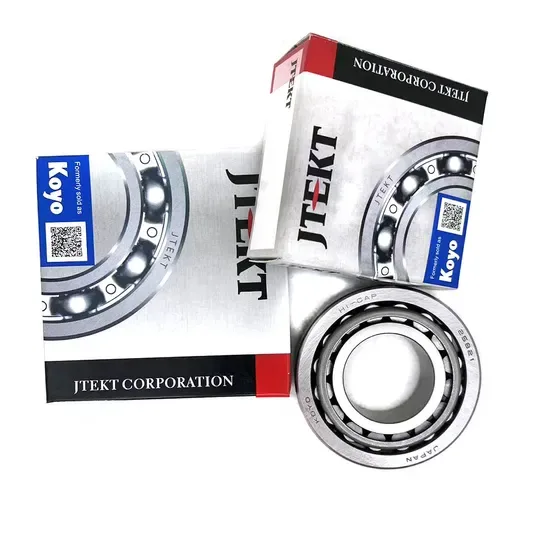 Installation & Maintenance
· 6 min read
Genuine Bearing Supplier for Garage Tools: Wholesale Bulk & MRO
Prevent premature failures with the right garage tools for bearing jobs by addressing installation errors rather than manufacturing defects. Learn systematic removal and pressing…
Read the Guide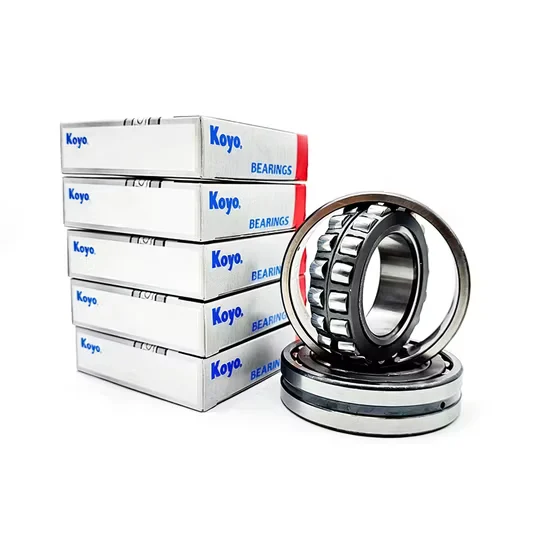 Installation & Maintenance
· 8 min read
Transmission Bearing Noise Diagnosis: Genuine Wholesale Supplier
Master transmission bearing noise diagnosis to distinguish installation errors from clearance defects in harsh environments. Use ultrasonic detection and spectral analysis to identify root…
Read the Guide
Bearing enquiry
Send your machine details. Get a written Koyo / JTEKT quote.
KOYO Bearing Supplier quotes a single bearing position or every bearing in an assembly on one enquiry, matched to your machine model and application, with model, quantity, price, lead time and quote validity in writing.
- WhatsApp+1 (702) 981-5880
- Emailinfo@koyoome.com
- Address8 Research Drive, Greenville, SC 20627, USA
"When a Koyo bearing failed on a harvest machine during the season, we needed a replacement urgently. The supplier identified the correct Koyo reference, shipped same-day, and the machine was back in the field within the day."

Request a Bearing Quote
Tell us the machine and the bearing position. Photos of the markings can follow on WhatsApp.