
Koyo Wheel Bearing Size Table: Genuine Parts Wholesale Supplier for Bulk Orders
Matching inner diameter and outer diameter is not enough to prevent bearing failure.
The critical factor often overlooked in the Koyo wheel bearing size table is the internal clearance suffix and inner diameter tolerance class. Selecting the correct combination of dimensional accuracy and thermal expansion allowance is the only way to ensure fitment success and operational longevity in heavy-duty applications.
I still remember the humidity at Qingdao Port, watching a container of truck hub bearings destined for North Africa. The paperwork looked perfect, but I had missed a subtle detail in the specification sheet: the clearance suffix. Months later, the client reported catastrophic failures. The hubs were overheating and seizing. It wasn’t a quality issue with the steel; it was a specification mismatch. The bearings had standard clearance, but the operating environment required expanded clearance to handle thermal growth. That loss taught me that reading a Koyo wheel bearing size table requires more than just matching numbers. It demands an understanding of how tolerances interact with real-world heat and load.
To avoid similar pitfalls, buyers must look beyond basic dimensions. This guide breaks down how to interpret the technical data correctly, ensuring you source the right components for your specific application.
How to Read the Koyo Wheel Bearing Size Table?
Basic dimensions are the starting point, but they do not tell the whole story.
When you open a Koyo wheel bearing size table, you will see columns for bore diameter, outside diameter, and width. These are the fundamental metrics for physical fitment. However, the table also includes chamfer radii and load ratings, which are equally vital for structural integrity. Ignoring the chamfer radius can lead to interference with housing shoulders, causing premature stress concentrations.
| Dimension Parameter | Description | Importance Level |
|---|---|---|
| Bore Diameter (ID) | Inner ring hole size | Critical |
| Outside Diameter (OD) | Outer ring external size | Critical |
| Width (B/T) | Total bearing thickness | High |
| Chamfer Radius (r) | Corner rounding dimension | Medium |
| Dynamic Load Rating | Capacity under rotating load | High |
A common mistake is assuming that if the ID and OD match, the bearing will fit. In reality, the width tolerance and chamfer dimensions must also align with the housing design. For instance, a slightly larger chamfer might prevent the bearing from seating fully against the shoulder, leading to micro-movement and fretting corrosion. By carefully checking every column in the Koyo wheel bearing size table, you ensure that the physical geometry matches the engineering drawings of the hub assembly.
Why Do Inner Diameter Tolerances Matter for Hub Bearings?
Tolerance classes determine whether a bearing fits tightly or loosely on the shaft.
Inner diameter tolerance is not just about precision; it is about the type of fit required for the application. In wheel hubs, the inner ring usually rotates with the shaft, requiring a tight interference fit to prevent creep. If the tolerance is too loose, the ring will spin on the shaft, generating heat and destroying the journal. If it is too tight, installation becomes difficult, and the internal clearance may be reduced excessively, leading to overheating.
The Koyo wheel bearing size table references ISO standards for these tolerances. Standard bearings typically fall into normal tolerance classes, but high-precision applications may require tighter controls. Understanding these limits helps in selecting the right bearing for high-speed or high-load scenarios.
Consider a case where a repair workshop in Latin America was sourcing replacements for a mixed fleet. They matched the ID and OD perfectly but ignored the tolerance band. The new bearings had a wider tolerance range than the originals. On some wheels, the fit was perfect; on others, it was loose. This inconsistency led to varying performance and early failures. By verifying the tolerance class against the original equipment manufacturer’s specifications, such issues can be avoided. The Koyo wheel bearing size table provides the necessary data to make this verification possible.
How to Select the Right Clearance Suffix?
Internal clearance dictates how much room the rolling elements have to expand under heat.
This is where most failures occur. The clearance suffix, such as C0, C3, or C4, indicates the internal radial clearance between the rolling elements and the raceways. Standard clearance (C0) is suitable for normal operating temperatures. However, in heavy-duty trucks or industrial machinery, temperatures rise significantly. Without extra clearance, the inner ring expands more than the outer ring, reducing the internal gap until the balls or rollers are crushed.
| Clearance Suffix | Application Context | Thermal Suitability |
|---|---|---|
| C0 (Standard) | Normal temperature, general use | Low |
| C3 | Higher temperatures, moderate speed | Medium |
| C4 | High temperatures, high speed | High |
I once consulted for a mining operation in Southeast Asia where emergency replacements were needed. The maintenance team kept installing standard clearance bearings, which failed within weeks due to thermal seizure. Switching to C3 clearance bearings, as indicated in the Koyo wheel bearing size table for their operating conditions, resolved the issue. The extra space allowed for thermal expansion without compromising the structural integrity of the bearing. Selecting the wrong suffix is a silent killer of bearing life.
How to Cross-Reference Koyo Bearings with Other Brands?
Dimensional equivalence allows for flexible sourcing without compromising performance.
In the global aftermarket, availability is key. You may need a Koyo bearing, but only SKF or Timken is in stock. Cross-referencing requires more than just matching part numbers; it requires matching the physical dimensions and performance characteristics listed in the Koyo wheel bearing size table. By comparing the ID, OD, width, and clearance suffix across brands, you can identify suitable equivalents.
This process is essential for distributors who manage multi-brand inventories. A customer might request a specific Koyo part, but if it is out of stock, offering a dimensionally identical alternative from another premium brand keeps the supply chain moving. However, caution is needed. Not all brands use the same suffix codes for clearance or materials. Verifying the technical data ensures that the substitute meets the original requirements.
For example, a European wind farm operator needed urgent replacements for a gearbox. The specified Koyo bearings were on backorder. By cross-referencing the Koyo wheel bearing size table with other major brands, we identified a compatible alternative with the same dimensions and clearance class. This quick action minimized downtime. Our ability to provide complete traceability documentation and technical selection support ensures that such cross-brand substitutions are safe and reliable. This approach supports both urgent MRO needs and long-term wholesale strategies.
Conclusion
Accurate interpretation of technical data prevents costly operational failures.
Understanding the Koyo wheel bearing size table goes beyond reading numbers. It involves analyzing tolerances, clearance suffixes, and dimensional equivalents to ensure proper fitment and performance. By focusing on these details, buyers can avoid common pitfalls like thermal seizure and fitment errors. Whether for heavy-duty fleets or industrial machinery, precise specification matching is the foundation of reliability.
Mentioned in this article
Koyo / JTEKT bearings from this guide
These are the Koyo / JTEKT bearing types discussed above. Open any product to check its details, or quote it together with the rest of your repair.
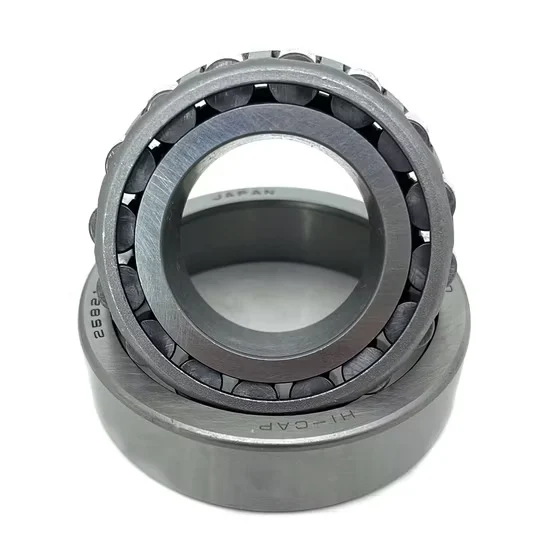
Tapered Roller Bearings
Genuine Koyo Tapered Roller Bearing 30123 30214 30215 30216 30217 for Car Wheel Hub
View Product
Wheel Bearings
Koyo Dac34640037 Wheel Hub Bearing Genuine Auto Spare Parts
View Product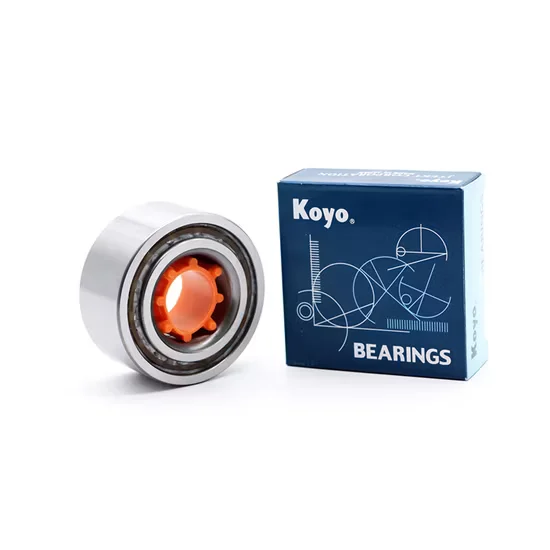
Cylindrical Roller Bearings
Koyo Bahb311316b Auto Wheel Bearing Drive Axle Hub Unit
View Product
Tapered Roller Bearings
Genuine Koyo Tapered Roller Bearing 32212 32213 32214 32215 32216 for Fan Spare Parts
View ProductKeep reading
More bearing selection guides for repair shops
Practical guides from KOYO Bearing Supplier on identifying Koyo / JTEKT bearings for farm machinery, construction equipment and power transmission repairs.
 Technical Resources
· 7 min read
Auto Bearing Glossary: Wholesale Supplier for Bulk & MRO Parts
Master the auto bearing glossary to decode suffix codes and prevent costly MRO replacement failures. Identical dimensions do not guarantee interchangeability, as internal clearance…
Read the Guide Technical Resources
· 8 min read
Needle Bearing Fit & Tolerance Table: Wholesale Supplier for Bulk Orders
Master the needle bearing fit and tolerance table to prevent seizure caused by overly tight fits. Match ISO shaft and housing classes while verifying…
Read the Guide Technical Resources
· 6 min read
Auto Bearing Torque Reference Table Wholesale Supplier
Prevent premature bearing failures by strictly following the Auto Bearing Torque Reference Table instead of relying on subjective manual tightening. Learn to distinguish initial…
Read the Guide
Bearing enquiry
Send your machine details. Get a written Koyo / JTEKT quote.
KOYO Bearing Supplier quotes a single bearing position or every bearing in an assembly on one enquiry, matched to your machine model and application, with model, quantity, price, lead time and quote validity in writing.
- WhatsApp+1 (702) 981-5880
- Emailinfo@koyoome.com
- Address8 Research Drive, Greenville, SC 20627, USA
"When a Koyo bearing failed on a harvest machine during the season, we needed a replacement urgently. The supplier identified the correct Koyo reference, shipped same-day, and the machine was back in the field within the day."

Request a Bearing Quote
Tell us the machine and the bearing position. Photos of the markings can follow on WhatsApp.