
Koyo Motorcycle Wheel Bearing Swap: Wholesale Supplier
Most bearing failures stem from installation error, not heavy loads.
To execute a flawless Koyo motorcycle wheel bearing swap, you must prioritize micron-level clearance verification and use genuine components with traceable origins. Improper press-fit techniques or refurbished units with inconsistent tolerances cause premature blackening of rollers and terminal noise, leading to costly warranty claims. The correct approach involves using dedicated pullers for removal, applying even pressure during installation to avoid race damage, and strictly verifying axial play before final assembly.
The humid air in Lagos workshops clings to everything, including the grease on your hands. I spent years there, wrenching on hubs that had seen more abuse than most city buses. The most frustrating part was not the rusted bolts, but the bearings that failed weeks after replacement. Customers would return, angry and confused, claiming the new parts were defective. Upon inspection, the rollers were often blackened, a clear sign of heat buildup from excessive friction. This was rarely due to the rider’s habits. It was almost always a result of improper installation or substandard refurbished parts that looked fine on the outside but lacked the internal precision required for high-speed rotation.
Transitioning from the workshop floor to global supply taught me that the gap between a successful repair and a comeback lies in the details of sourcing and technique. When you are dealing with a Koyo motorcycle wheel bearing swap, the margin for error is measured in microns. A slight mismatch in clearance does not just cause noise; it accelerates fatigue, leading to catastrophic failure. For workshops and distributors, understanding this technical nuance is as critical as having the right tools.
What Tools Are Essential for a Koyo Bearing Swap?
Using the correct pullers and presses prevents irreversible damage to the hub housing.
You cannot hammer a bearing into place and expect it to last. The forces involved in a proper Koyo motorcycle wheel bearing swap require controlled, even application of pressure. Using a makeshift setup with a bolt and a washer might work in a pinch, but it risks tilting the bearing, which damages the race and compromises the seal seating depth.
The essential toolkit includes a dedicated bearing puller set, a hydraulic or arbor press, and a selection of drifts that match the outer diameter of the bearing races. Soft-face hammers are useful for minor adjustments, but they should never be the primary method for installation. The key is to apply force only to the strong part of the bearing—the outer race when pressing into a housing, or the inner race when pressing onto a shaft. Applying pressure to the seals or the cage will destroy the bearing before it even spins.
| Tool Category | Purpose | Risk of Improper Use |
|---|---|---|
| Bearing Puller | Safe extraction of old units | Scratching hub bore if jaws slip |
| Arbor Press | Even pressure application | Tilting bearing if not aligned |
| Precision Drifts | Transmitting force to races | Damaging seals if wrong size used |
| Micrometer | Verifying shaft/hub dimensions | Installing on worn surfaces |
A European repair group once reported a spike in hub replacements after switching to a cheaper, generic tool kit. The issue was not the bearings themselves, but the lack of proper alignment guides in their presses. This led to tilted installations that caused immediate binding. By standardizing their equipment to include precision-aligned presses, they eliminated this specific failure mode.
How to Safely Remove the Old Wheel Bearing?
Proper extraction avoids damaging the hub housing, ensuring a smooth fit for the new unit.
Removal is often where the first mistake happens. In many cases, the old bearing is seized due to corrosion or previous improper installation. Forcing it out with a chisel can gouge the hub bore, creating a surface that will never hold a new bearing securely. This is particularly critical in a Koyo motorcycle wheel bearing swap, where the fit tolerance is tight.
The recommended method involves using a blind-hole bearing puller. This tool expands behind the bearing, allowing you to pull it straight out without applying lateral force to the hub walls. If the bearing is stubborn, applying gentle heat to the hub around the bearing seat can expand the metal slightly, loosening the grip. However, excessive heat can alter the metallurgy of the hub, so it must be done with care.
I recall a batch of hubs from a Southeast Asian distributor that arrived with scored bores. The scoring was consistent with the use of screwdrivers and hammers for removal. These hubs could not accept new bearings without machining, which added significant cost and time to the repair process. By training technicians on the use of proper pullers, the rate of salvageable hubs increased noticeably.
What Are the Critical Installation Steps for Koyo Bearings?
Even pressure application and correct seal seating ensure optimal performance and longevity.
Installation is the heart of the Koyo motorcycle wheel bearing swap. The goal is to seat the bearing squarely and fully without inducing stress into the rolling elements. Start by cleaning the hub bore thoroughly. Any debris, no matter how small, can act as a spacer, preventing the bearing from seating correctly and leading to runout.
Apply a thin layer of anti-seize compound to the hub bore to prevent future corrosion, but avoid getting any on the bearing itself. Place the new bearing into the hub, ensuring it is oriented correctly. Use a drift that matches the outer diameter of the bearing race. Press the bearing in slowly and evenly. If you feel sudden resistance, stop and check for alignment. A tilted bearing will bind and fail prematurely.
The seal seating depth is another critical factor. Many modern bearings have integrated seals that must sit flush with the hub face. Pressing too deep can damage the seal lip, allowing contaminants to enter. Pressing too shallow can leave the seal exposed to impact damage.
A workshop in the Middle East reduced its customer comebacks by half after implementing a strict protocol for seal inspection during installation. They found that many “failed” bearings were actually functioning perfectly, but the seals had been compromised during installation, leading to rapid contamination.
How to Verify Clearance and Final Assembly?
Checking axial play prevents premature noise and failure by ensuring precise tolerances.
Before closing up the wheel, you must verify the bearing’s clearance. This step is often skipped in rush jobs, but it is the definitive check for a successful Koyo motorcycle wheel bearing swap. Axial play should be minimal but present. Too much play indicates the bearing is not seated or is worn; too little indicates excessive preload, which generates heat and leads to early failure.
Rotate the bearing by hand. It should spin smoothly without any gritty feeling or binding. Check for radial play by wiggling the hub. There should be no noticeable movement. If the bearing feels tight or rough, it may have been damaged during installation or is defective. Genuine Koyo bearings are manufactured to strict ISO standards, ensuring consistent clearance across batches.
Verifying this clearance requires genuine Koyo bearings with precise tolerances. Refurbished units often have inconsistent internal geometries, making it impossible to achieve the correct play. Our approach to supplying these components focuses on complete traceability. We source directly from authorized channels, ensuring that every bearing meets the original manufacturer’s specifications. For workshops handling diverse models, we offer mixed-batch sourcing, consolidating dozens of SKUs into single shipments. This reduces inventory complexity while ensuring that the right size is always available for a precise fit.
Conclusion
Precision in installation and authenticity in parts are non-negotiable for safety.
A successful Koyo motorcycle wheel bearing swap depends on respecting the micron-level tolerances inherent in modern engineering. By using the right tools, following strict installation protocols, and verifying clearance, you ensure that the bearing performs as designed. Sourcing genuine components with full traceability eliminates the variable of poor manufacturing quality, allowing your technical skills to deliver lasting results.
Mentioned in this article
Koyo / JTEKT bearings from this guide
These are the Koyo / JTEKT bearing types discussed above. Open any product to check its details, or quote it together with the rest of your repair.

Deep Groove Ball Bearings
KOYO 6007 ZZ 2RS Open Deep Groove Ball Bearings for Motorcycle Parts
View Product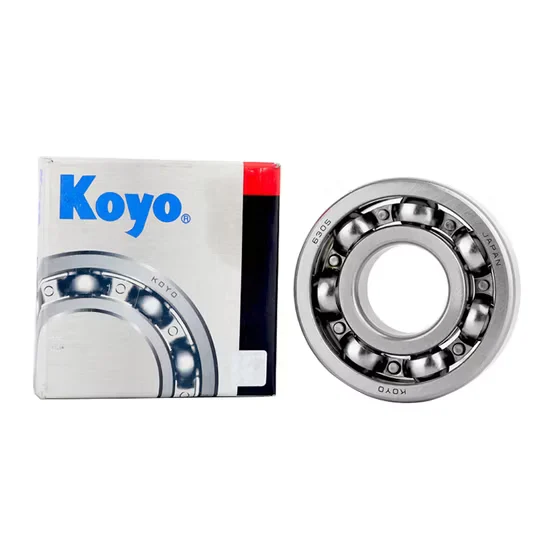
Deep Groove Ball Bearings
KOYO Bearing 6005 6006 6300-6309 Motorcycle Deep Groove Ball Bearings Japan
View Product
Tapered Roller Bearings
Genuine KOYO 32007 Tapered Roller Bearing Wholesale Supplier
View Product
Tapered Roller Bearings
Genuine KOYO 32006 Taper Roller Bearing Wholesale Supplier
View ProductKeep reading
More bearing selection guides for repair shops
Practical guides from KOYO Bearing Supplier on identifying Koyo / JTEKT bearings for farm machinery, construction equipment and power transmission repairs.
 Installation & Maintenance
· 6 min read
Auto Bearing Jobs Workshop Checklist: Wholesale Supplier
Prevent premature auto bearing failure with a standardized auto bearing installation checklist that addresses critical storage, inspection, and mounting protocols. Verify rotational smoothness, maintain…
Read the Guide Installation & Maintenance
· 6 min read
Genuine Bearing Supplier for Garage Tools: Wholesale Bulk & MRO
Prevent premature failures with the right garage tools for bearing jobs by addressing installation errors rather than manufacturing defects. Learn systematic removal and pressing…
Read the Guide Installation & Maintenance
· 8 min read
Transmission Bearing Noise Diagnosis: Genuine Wholesale Supplier
Master transmission bearing noise diagnosis to distinguish installation errors from clearance defects in harsh environments. Use ultrasonic detection and spectral analysis to identify root…
Read the Guide
Bearing enquiry
Send your machine details. Get a written Koyo / JTEKT quote.
KOYO Bearing Supplier quotes a single bearing position or every bearing in an assembly on one enquiry, matched to your machine model and application, with model, quantity, price, lead time and quote validity in writing.
- WhatsApp+1 (702) 981-5880
- Emailinfo@koyoome.com
- Address8 Research Drive, Greenville, SC 20627, USA
"When a Koyo bearing failed on a harvest machine during the season, we needed a replacement urgently. The supplier identified the correct Koyo reference, shipped same-day, and the machine was back in the field within the day."

Request a Bearing Quote
Tell us the machine and the bearing position. Photos of the markings can follow on WhatsApp.