
Koyo Bearings for Single-Garage Orders Wholesale Supplier
Mixing brands in a small order does not trigger customs holds; inaccurate documentation does.
To successfully procure Koyo bearings for single-garage orders via LCL shipment, you must prioritize a granular, itemized packing list that aligns perfectly with HS codes over the brand composition itself. The primary risk is not the mix of Koyo with other manufacturers, but the discrepancy between declared cargo and physical inventory, which leads to disproportionate freight costs and port delays.
I still remember the humidity at Tanjung Priok port in Jakarta. A local repair shop owner had ordered a handful of Koyo tapered roller bearings to fix a fleet of mining trucks. To save on shipping, we consolidated these few boxes into an LCL shipment alongside various other industrial parts. The cargo sat idle for weeks. Customs flagged the shipment not because it contained mixed brands, but because the packing list vaguely described “auto parts” while the physical boxes clearly displayed specific bearing part numbers and multiple manufacturer logos. The freight charges eventually exceeded the value of the bearings themselves. That incident reshaped my approach to Koyo bearings for single-garage orders wholesale supplier logistics. It taught me that small-volume procurement requires the same documentary precision as full-container loads, especially when mixing high-turnover items like Koyo units with complementary stock.
Understanding this distinction is critical for aftermarket suppliers and repair groups. The goal is to optimize space and cost without triggering regulatory scrutiny. Below, we break down the specific mechanisms that cause delays and how to structure your procurement to avoid them.
Why Do Small Garage Orders Get Stuck at Customs?
Customs inspections are triggered by data mismatches, not by the presence of multiple bearing brands in one shipment.
Many buyers assume that mixing Koyo bearings with other brands like NSK or FAG in a single LCL consignment raises red flags. This is a misconception. Customs authorities are primarily concerned with revenue protection and security. They look for discrepancies between the declared value, description, and the actual goods. When a packing list is generic, such as listing “mechanical components” for a box containing specific deep-groove ball bearings and tapered rollers, inspectors must physically open every box to verify contents. This manual inspection halts the clearance process.
In my experience handling Koyo bearings for single-garage orders wholesale supplier requests, the most common error is aggregating different SKUs under a single line item. For example, listing ten different bearing types as “10 boxes of bearings” is insufficient. Each distinct part number, especially from premium brands like Koyo, should be itemized with its corresponding HS code.
A case involving a buyer in West Africa illustrates this. He ordered a mixed batch of spherical roller bearings and needle bearings. The packing list grouped them by weight rather than by part number. At the port, the discrepancy between the declared weight of individual boxes and the aggregate weight on the manifest caused a hold. The delay lasted several weeks, during which demurrage charges accumulated. Had the packing list detailed each Koyo and non-Koyo item with precise weights and dimensions, the shipment would have cleared through the green channel.
The key is transparency. Declare exactly what is in the box. If you are mixing Koyo tapered rollers with domestic Chinese bearing lines, list them separately. This allows customs officers to verify the shipment against the document without unpacking the entire pallet. It also helps in accurate duty assessment, as different bearing types may fall under slightly different tariff interpretations depending on the destination country’s regulations.
How to Calculate LCL Freight for Mixed Koyo Bearings?
Freight costs for small batches often outweigh the cargo value if volume utilization is not optimized.
LCL freight is calculated based on chargeable weight, which is the greater of actual gross weight or volumetric weight. For bearings, which are dense and heavy, actual weight usually dictates the cost. However, inefficient packing can increase the volumetric footprint, leading to higher charges. When ordering Koyo bearings for single-garage orders wholesale supplier services, buyers often overlook how packaging affects the final freight bill.
Standard manufacturer packaging for Koyo bearings is designed for retail or large-scale distribution, not necessarily for LCL consolidation. Individual boxes inside larger cartons can create void spaces if not packed tightly. Consolidating mixed sizes to maximize container space is essential.
Consider a scenario where a garage needs fifty units of a specific Koyo angular contact ball bearing. Ordering them in their original individual boxes might result in a bulky shipment. By requesting bulk packaging or consolidating these units with other slow-moving items into a single, tightly packed carton, you reduce the overall volume. This optimization directly lowers the chargeable weight.
Furthermore, the ratio of freight to cargo value is a critical metric. For small orders, air freight might seem attractive due to speed, but sea LCL is significantly cheaper per kilogram. However, if the shipment is poorly planned, the minimum billing thresholds for LCL can make it expensive. A US-based repair group once ordered a small batch of mixed bearings. Because they did not consolidate their order with other pending shipments, they paid a minimum LCL fee that was disproportionately high relative to the bearing cost. By coordinating with a supplier who offers consolidation services, they were able to combine this order with a larger shipment of seals and lubricants, spreading the fixed logistics costs across a higher total value.
When calculating costs, always request a quote based on both actual and volumetric weight. Ensure your supplier understands the density of bearings and packs them to minimize empty space. This attention to detail ensures that the freight cost remains a small fraction of the total landed cost, preserving your margins.
What Documents Prevent Customs Delays for Mixed Brands?
Detailed, itemized packing lists matching HS codes are the primary defense against customs holds.
The document suite for international shipping includes the commercial invoice, packing list, and bill of lading. Among these, the packing list is the most scrutinized for LCL shipments containing mixed goods. For Koyo bearings for single-garage orders wholesale supplier transactions, the packing list must mirror the physical reality of the cargo.
Each line item should include:
- Full part number.
- Brand name (e.g., Koyo, SKF, NTN).
- Quantity.
- Net weight and gross weight per item.
- Corresponding HS code.
A common mistake is using generic descriptions. Instead of “Bearings,” use “Tapered Roller Bearing, Koyo Brand, Part Number XYZ.” This specificity helps customs classifiers assign the correct duty rate quickly. If you are mixing brands, ensure that the origin of each brand is correctly stated. Koyo bearings are manufactured in various locations, including Japan, China, and Thailand. The certificate of origin must match the manufacturing location declared on the packing list.
In Southeast Asia, I observed a shipment delayed because the packing list listed “Japan” as the origin for all bearings, while some Koyo units were actually made in China. This discrepancy required a correction letter from the shipper, causing a week-long delay. Accurate declaration of origin is crucial, especially when free trade agreements are involved.
Additionally, ensure that the commercial invoice values reflect the transaction price accurately. Undervaluation is a major red flag for customs. If you are buying genuine Koyo bearings at competitive wholesale rates, declare that price. Do not artificially lower it to save on duties, as this can lead to penalties and seizure. Transparency builds trust with customs brokers and speeds up clearance.
How to Mix Brands Without Killing Margins?
Consolidating Koyo with complementary brands balances MOQ requirements and optimizes freight efficiency.
Small garages often need a variety of bearings, not just one type. Ordering only Koyo products might require meeting a minimum order quantity (MOQ) that is too high for a single repair job. Mixing brands allows you to buy exactly what you need. However, this strategy only works if managed correctly to avoid administrative bloat.
When sourcing Koyo bearings for single-garage orders wholesale supplier solutions, look for providers who can handle mixed-brand procurement seamlessly. This means they stock genuine products from multiple premium brands like SKF, FAG, INA, NSK, NTN, TIMKEN, and NACHI, as well as reliable domestic lines. By consolidating these into one shipment, you achieve economies of scale in logistics.
The key is to balance fast-turnover items with slower-moving stock. Koyo tapered rollers are often high-demand items. Pairing them with less frequent purchases, such as specific thrust bearings or needle bearings from other brands, creates a balanced order. This approach ensures that you do not tie up capital in excess inventory while still benefiting from lower per-unit freight costs.
A European wind farm operator used this strategy for their MRO needs. Instead of ordering full pallets of a single brand, they curated a mixed container of high-precision bearings from various manufacturers based on immediate replacement needs. This reduced their inventory holding costs and ensured they had the right part for each specific turbine model. The supplier’s ability to provide traceability documentation for each brand was critical in maintaining compliance with industry standards.
Moreover, mixing brands provides a hedge against supply chain disruptions. If one brand faces a shortage, having established relationships with alternative brands ensures continuity. This flexibility is vital for aftermarket suppliers who must meet urgent customer demands.
Conclusion
Precision in documentation outweighs the complexity of mixed-brand orders.
Successfully navigating Koyo bearings for single-garage orders wholesale supplier channels requires a shift in focus from brand exclusivity to logistical accuracy. By ensuring your packing lists are granular, optimizing volume for LCL freight, and leveraging mixed-brand consolidation, you can avoid costly delays and protect your margins. The goal is not just to buy bearings, but to manage the flow of goods efficiently from factory to garage.
Mentioned in this article
Koyo / JTEKT bearings from this guide
These are the Koyo / JTEKT bearing types discussed above. Open any product to check its details, or quote it together with the rest of your repair.
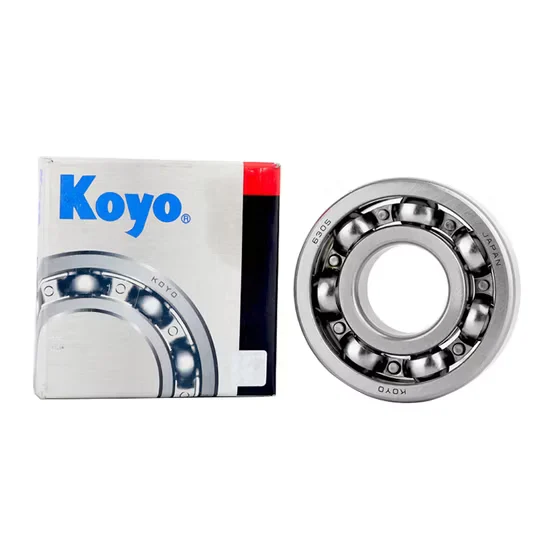
Deep Groove Ball Bearings
KOYO Bearing 6005 6006 6300-6309 Motorcycle Deep Groove Ball Bearings Japan
View Product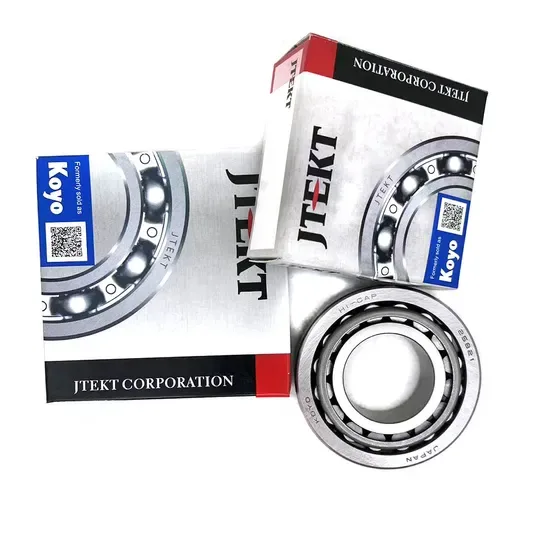
Tapered Roller Bearings
Koyo 30213 30221 30228 Tapered Roller Bearing Single Row for Machinery Part
View Product
Marine Bearings
Koyo 32212 Tapered Roller Bearing for Marine Engines
View Product
Tapered Roller Bearings
Koyo Tapered Roller Bearing 31313 33215 33017 33214 30313 32919 30217 33016
View ProductKeep reading
More bearing selection guides for repair shops
Practical guides from KOYO Bearing Supplier on identifying Koyo / JTEKT bearings for farm machinery, construction equipment and power transmission repairs.
 Procurement & Trade FAQs
· 7 min read
Rebuild Kit Supply for Transmission Shops: Wholesale Bearing Supplier
Transmission rebuild kit supply depends on accurate HS codes and detailed BOMs to prevent customs delays. Learn how mixed bearing consolidation and robust packaging…
Read the Guide Procurement & Trade FAQs · 7 min read
Genuine Bearing Stock Programs for Motorcycle Dealers: Wholesale Supplier
Optimize Motorcycle Dealer Stock Programs by balancing cross-brand bearing equivalency, genuine traceability, and flexible MOQs to prevent costly warranty claims. Verify dimensional tolerance and…
Read the Guide Procurement & Trade FAQs · 7 min read
Express Shipping for Urgent Bearing Repairs: Global Wholesale Supplier
Master express shipping for urgent bearing replacements by prioritizing customs clearance over flight speed to eliminate port bottlenecks. Optimize volumetric weight, consolidate mixed-brand orders,…
Read the Guide
Bearing enquiry
Send your machine details. Get a written Koyo / JTEKT quote.
KOYO Bearing Supplier quotes a single bearing position or every bearing in an assembly on one enquiry, matched to your machine model and application, with model, quantity, price, lead time and quote validity in writing.
- WhatsApp+1 (702) 981-5880
- Emailinfo@koyoome.com
- Address8 Research Drive, Greenville, SC 20627, USA
"When a Koyo bearing failed on a harvest machine during the season, we needed a replacement urgently. The supplier identified the correct Koyo reference, shipped same-day, and the machine was back in the field within the day."

Request a Bearing Quote
Tell us the machine and the bearing position. Photos of the markings can follow on WhatsApp.