
Genuine Koyo Wheel Bearings Wholesale Supplier for Bulk Orders
Most premature bearing failures stem from installation errors, not manufacturing defects. Proper pressing techniques and verifying part authenticity are critical to preventing premature Koyo wheel bearing failures in heavy-duty applications. When installing these components, uniform force distribution prevents raceway dents, and precise clearance adjustment ensures optimal load distribution. Ignoring these steps leads to micro-cracks and spalling long before the rated service life is reached.
I still remember the heat radiating from a mining truck axle in Nigeria after just six months of operation. The hub was seized, and the damage was catastrophic. Upon disassembly, the issue was clear: the Koyo tapered roller bearings had been installed with incorrect clearance, and worse, refurbished units had been mixed into the batch. This was not a case of poor product quality but of improper handling and counterfeit infiltration. That incident reshaped my approach to supply chain management. It highlighted that selling bearings is not just about price competition; it hinges on strict installation norms and source purity. For MRO operators and aftermarket workshops, understanding how to press Koyo wheel bearings correctly and how to identify genuine parts is as vital as the procurement process itself.
The following guide details the correct methods for pressing, adjusting, and verifying these critical components, drawing from field experience and technical standards.
Why Proper Pressing Matters for Koyo Bearings?
Incorrect pressing causes micro-cracks and premature spalling. Many technicians believe that applying maximum force quickly is efficient, but this approach damages the bearing internals. The key is not just force magnitude but uniform distribution. When force is applied unevenly or directly to the wrong ring, it creates stress concentrations that lead to early failure.
The primary risk during installation is denting the raceways. If a hammer or misaligned press tool strikes the outer ring while the inner ring is the tight-fit component, the rolling elements transmit that shock directly to the raceway surface. These microscopic dents become initiation points for fatigue cracks. Over time, under heavy loads typical in mining or construction machinery, these cracks propagate, leading to spalling and eventual seizure.
In one instance, a fleet maintenance team reported a noticeable drop in bearing lifespan across their heavy-duty trucks. Investigation revealed that their workshop used generic sleeves that did not match the bearing dimensions precisely. This mismatch caused tilting during pressing, resulting in uneven seating. Switching to dedicated sleeves that matched the specific Koyo bearing series eliminated the tilting and restored expected service life. The lesson is clear: use dedicated sleeves and apply force only on the tight-fit ring. This ensures the load is transferred through the bearing structure as designed, without inducing internal stress.
Step-by-Step Guide to Pressing Koyo Wheel Bearings
Use dedicated sleeves and apply force only on the tight-fit ring. A systematic approach to pressing ensures that the bearing seats correctly without damage. This process requires attention to detail and the right tools, moving beyond brute force to precision engineering.
First, verify the fit type. For most wheel applications, the inner ring has an interference fit with the shaft, while the outer ring has a slip fit in the housing. Therefore, pressure must be applied exclusively to the inner ring. Applying pressure to the outer ring or the cage will destroy the bearing immediately.
Second, select the correct pressing sleeve. The sleeve diameter should match the inner ring closely to distribute force evenly. A sleeve that is too small will concentrate force on a narrow band, risking deformation. A sleeve that is too large may contact the seal or cage, causing immediate damage. Ensure the sleeve face is parallel to the bearing ring to prevent tilting.
Third, proceed with slow, steady pressure. Rapid impacts generate heat and shock loads. Use a hydraulic press or a specialized bearing installer tool. Monitor the alignment continuously. If resistance increases suddenly, stop and check for obstructions or misalignment. Forcing a misaligned bearing will gall the shaft and damage the bore.
Fourth, consider induction heating for large bearings. If the interference fit is significant, heating the inner ring expands it, allowing easier placement. However, temperature limits are strict. Exceeding the manufacturer’s recommended temperature can alter the metallurgy of the steel, reducing hardness and load capacity. Never use an open flame, as it creates localized hot spots that warp the ring.
A common mistake observed in refurbishment shops is reusing old seals or ignoring minor shaft imperfections. Even a slight burr on the shaft can scrape the inner ring during pressing, creating a path for contaminants. Always clean and inspect the shaft before installation. In a case involving a European wind farm operator, skipping this simple inspection led to contamination ingress and subsequent failure within months. Proper preparation is half the battle.
How to Adjust Clearance for Tapered Roller Bearings?
Precise end-play adjustment is vital for load distribution. Unlike deep groove ball bearings, tapered roller bearings require careful clearance setting. Incorrect clearance leads to either excessive heat generation from preload or premature wear from excessive play.
The adjustment process involves setting the axial position of the inner ring relative to the outer ring. This is typically done using shims or adjustable nuts. The goal is to achieve the specified end-play, which allows for thermal expansion during operation while maintaining proper contact between the rollers and raceways.
Start by tightening the adjusting nut until all play is removed, then back off slightly to achieve the target clearance. Use a dial indicator to measure axial movement accurately. Guesswork is not acceptable here; micron-level precision is required. In heavy mining applications, even a small deviation can cause significant load imbalance across the rollers, leading to edge loading and rapid failure.
Temperature plays a crucial role in clearance setting. Bearings operate at higher temperatures than ambient conditions, causing expansion. If clearance is set too tight at room temperature, it will become zero or negative when hot, causing seizure. Conversely, too much clearance results in vibration and impact loading. Refer to the specific application guidelines for the recommended cold setting.
A fleet manager in Southeast Asia noted a significant reduction in axle failures after implementing strict clearance verification protocols. Previously, technicians relied on feel, which varied widely between individuals. Standardizing the measurement process with dial indicators ensured consistency and extended bearing life meaningfully. This shift from subjective assessment to objective measurement is a hallmark of professional maintenance.
How to Verify Genuine Koyo Bearings Before Installation?
Check traceability docs and packaging to avoid refurbished fakes. The market is flooded with counterfeit and refurbished bearings sold as new. These units may look identical externally but lack the internal precision and material quality of genuine products. Installing a fake bearing is a ticking time bomb for any heavy-duty application.
Visual inspection is the first step. Genuine Koyo bearings have precise laser etching on the outer ring, including the brand name, part number, and country of origin. Counterfeits often have poorly printed or etched markings that can be rubbed off. Check the packaging for high-quality printing and security features. Genuine boxes have specific holographic labels and batch codes that can be verified online.
Documentation is equally critical. Request certificates of conformity and traceability documents from your supplier. These documents link the bearing to its production batch and factory. A reputable Genuine Koyo Wheel Bearings Wholesale Supplier for Bulk Orders will provide full traceability without hesitation. If a supplier cannot provide these documents, consider it a major red flag.
In one alarming case, a batch of bearings purchased from an unauthorized dealer caused overheating in a steel mill conveyor system. Analysis revealed they were refurbished units with worn raceways repackaged as new. The cost of downtime far exceeded the savings from the cheaper purchase. This highlights the importance of sourcing from verified channels.
Our approach involves strict factory traceability and maintaining stock of genuine KOYO products. We ensure that every unit shipped comes with complete documentation, allowing buyers to verify authenticity before installation. This commitment to purity protects our clients from the hidden costs of counterfeit parts.
Conclusion
Authenticity and technique define bearing longevity. Success in heavy-duty applications relies on more than just buying a recognized brand. It demands rigorous installation practices and unwavering commitment to source verification. By mastering the pressing method, adjusting clearance with precision, and demanding full traceability, operators can avoid costly failures. Choose a partner who prioritizes these values, ensuring that every Koyo wheel bearing performs as engineered.
Mentioned in this article
Koyo / JTEKT bearings from this guide
These are the Koyo / JTEKT bearing types discussed above. Open any product to check its details, or quote it together with the rest of your repair.
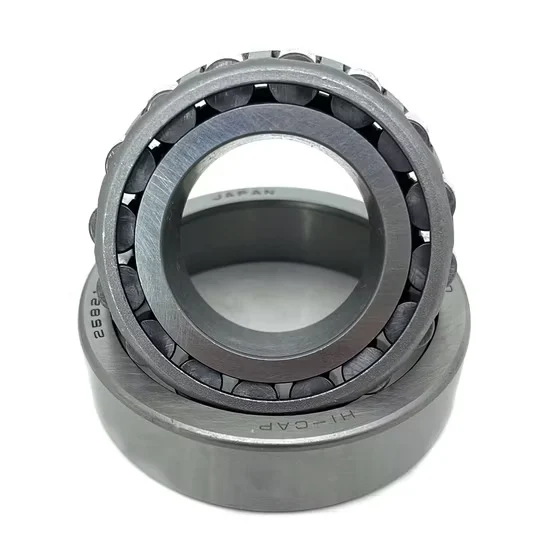
Tapered Roller Bearings
Genuine Koyo Tapered Roller Bearing 30123 30214 30215 30216 30217 for Car Wheel Hub
View Product
Wheel Bearings
Koyo Dac34640037 Wheel Hub Bearing Genuine Auto Spare Parts
View Product
Railway Bearings
Genuine Koyo 32011 32209 32212 Tapered Roller Bearing for Railway Locomotive Axle Boxes
View Product
Railway Bearings
Genuine Koyo Tapered Roller Bearings 32019 32020 32021 32022 32024 for Railway Machinery
View ProductKeep reading
More bearing selection guides for repair shops
Practical guides from KOYO Bearing Supplier on identifying Koyo / JTEKT bearings for farm machinery, construction equipment and power transmission repairs.
 Installation & Maintenance
· 6 min read
Auto Bearing Jobs Workshop Checklist: Wholesale Supplier
Prevent premature auto bearing failure with a standardized auto bearing installation checklist that addresses critical storage, inspection, and mounting protocols. Verify rotational smoothness, maintain…
Read the Guide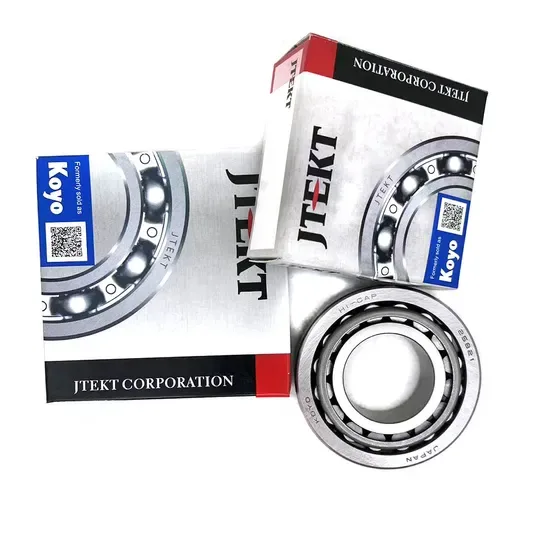 Installation & Maintenance
· 6 min read
Genuine Bearing Supplier for Garage Tools: Wholesale Bulk & MRO
Prevent premature failures with the right garage tools for bearing jobs by addressing installation errors rather than manufacturing defects. Learn systematic removal and pressing…
Read the Guide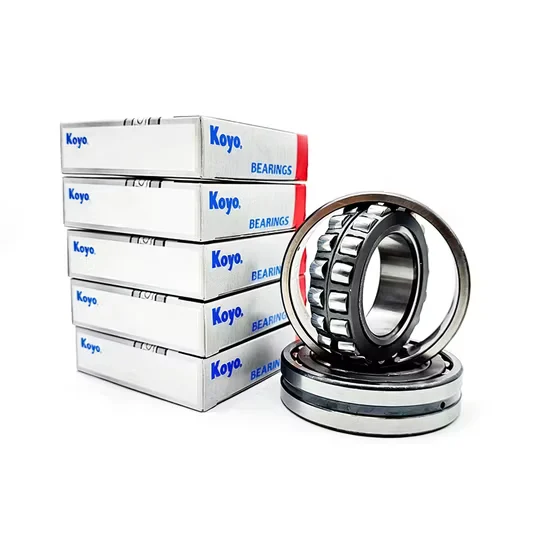 Installation & Maintenance
· 8 min read
Transmission Bearing Noise Diagnosis: Genuine Wholesale Supplier
Master transmission bearing noise diagnosis to distinguish installation errors from clearance defects in harsh environments. Use ultrasonic detection and spectral analysis to identify root…
Read the Guide
Bearing enquiry
Send your machine details. Get a written Koyo / JTEKT quote.
KOYO Bearing Supplier quotes a single bearing position or every bearing in an assembly on one enquiry, matched to your machine model and application, with model, quantity, price, lead time and quote validity in writing.
- WhatsApp+1 (702) 981-5880
- Emailinfo@koyoome.com
- Address8 Research Drive, Greenville, SC 20627, USA
"When a Koyo bearing failed on a harvest machine during the season, we needed a replacement urgently. The supplier identified the correct Koyo reference, shipped same-day, and the machine was back in the field within the day."

Request a Bearing Quote
Tell us the machine and the bearing position. Photos of the markings can follow on WhatsApp.