
Clutch Release Bearings Wholesale Supplier: Genuine SKF, FAG, INA & NSK for Bulk MRO Orders
Most clutch release bearing failures are not caused by poor installation, but by microscopic material flaws in counterfeit cages that disintegrate under heavy loads.
Proper replacement of clutch release bearings requires precise installation steps combined with strict verification of genuine parts to prevent catastrophic heavy-load failures. Sourcing from a reliable Clutch Release Bearings Wholesale Supplier ensures traceability and authenticity, which are critical for maintaining operational continuity in heavy equipment fleets.
I still remember the silence in a mining conveyor control room after a mixed-batch shipment arrived at an African site. The client had installed what they believed were standard import release bearings. Within two months, the cage structure failed under continuous heavy load, causing the clutch to slip and the entire transmission line to stop. The resulting downtime cost far exceeded the savings from buying cheaper, unverified parts. That incident changed how I approach every order. Now, even for a single emergency spare part, I insist on full traceability. In high-stress environments, a small component like a release bearing carries the weight of the entire operation.
Understanding the root cause of these failures is the first step toward preventing them. It is not just about swapping out a worn part; it is about ensuring the new component can withstand the specific thermal and mechanical stresses of your machinery. This is where partnering with a verified Clutch Release Bearings Wholesale Supplier becomes a strategic maintenance decision rather than just a procurement task.
What Are the Early Signs of Clutch Release Bearing Failure?
Identifying symptoms like unusual noise and clutch slipping early can prevent catastrophic breakdowns and expensive unplanned downtime.
Before a bearing completely seizes or disintegrates, it usually sends warning signals. However, in noisy industrial environments or heavy vehicles, these signs are often missed until it is too late. The most common indicator is a chirping or grinding noise when the clutch pedal is depressed. This sound suggests that the bearing is struggling to rotate smoothly due to internal damage or lack of lubrication.
Another critical symptom is clutch slippage. If the engine RPM increases without a corresponding increase in vehicle speed or machine output, the release bearing may be failing to fully disengage the clutch pressure plate. This creates excessive heat and friction, accelerating wear on both the bearing and the clutch disc. In heavy equipment, this can lead to total transmission failure if ignored.
| Symptom | Potential Cause | Risk Level |
|---|---|---|
| Chirping/Grinding Noise | Internal raceway damage or dry operation | High |
| Clutch Slippage | Bearing not fully retracting or seizing | Critical |
| Pedal Vibration | Imbalanced or broken bearing cage | High |
| Burning Smell | Excessive friction heat generation | Critical |
A European fleet manager once reported that their trucks were experiencing intermittent slippage during hill climbs. Initial inspections focused on the clutch discs, but the real issue was a batch of release bearings with inconsistent dimensional tolerances. These minor deviations prevented proper alignment, causing premature wear. By switching to a source that guaranteed consistent quality, they extended service intervals significantly.
Recognizing these signs early allows maintenance teams to schedule replacements during planned downtime rather than reacting to emergency breakdowns. This proactive approach is essential for any operation relying on a steady supply from a Clutch Release Bearings Wholesale Supplier who understands the critical nature of these components.
How to Prepare and Remove the Old Bearing Safely?
Step-by-step teardown emphasizing cleanliness and proper tool selection is vital to avoid damaging the transmission housing during removal.
Removing a failed clutch release bearing is not just about pulling it out. It requires a methodical approach to ensure that no debris falls into the transmission bell housing and that the surrounding components are not damaged. Start by disconnecting the battery and securing the vehicle or machine to prevent movement. Clean the exterior of the transmission housing thoroughly before beginning any disassembly to prevent dirt from entering the system.
Use the correct tools to remove the transmission from the engine. Forcing components can warp mounting surfaces or damage input shafts. Once the transmission is separated, inspect the input shaft for scoring or wear. A damaged shaft will quickly destroy a new bearing. Carefully slide the old release bearing off the guide tube or input shaft. If it is stuck, do not use excessive force or hammer directly on the bearing, as this can send shockwaves through the transmission internals.
In one case, a maintenance team in Southeast Asia used an impact wrench to remove a seized bearing, accidentally cracking the plastic guide tube. This required replacing additional parts and delayed the repair by several days. Using a specialized puller or gently tapping with a soft-faced mallet is the safer approach. Always inspect the fork and pivot points for wear while the assembly is accessible.
Cleanliness is paramount. Any grit or metal shavings left in the housing will act as an abrasive, shortening the life of the new bearing. Wipe down all surfaces with a lint-free cloth and appropriate solvent. This preparation stage sets the foundation for a successful installation, ensuring that the new component from your Clutch Release Bearings Wholesale Supplier performs as intended.
What Is the Correct Installation Procedure for New Bearings?
Proper alignment, correct lubrication methods, and adherence to torque specifications are essential to ensure the longevity of the new bearing.
Installing a new clutch release bearing is a precision task. Begin by applying a thin layer of high-temperature grease to the contact points on the guide tube or input shaft. Do not over-grease, as excess lubricant can attract dust and debris, creating a grinding paste that accelerates wear.
Slide the new bearing onto the guide tube, ensuring it moves freely without binding. Check the orientation carefully; installing it backward can cause immediate failure. Reinstall the transmission, taking care to align the input shaft with the clutch disc hub. Use a clutch alignment tool if necessary to ensure the disc is centered. Misalignment puts uneven stress on the release bearing, leading to premature cage failure.
Torque all mounting bolts to the manufacturer’s specifications. Uneven torque can distort the transmission housing, affecting the alignment of the internal components. After reassembly, test the clutch pedal feel. It should move smoothly without resistance or noise. If there is any hesitation, recheck the alignment and lubrication.
A common mistake is neglecting to check the clutch fork pivot points. If these are worn, the bearing will not apply even pressure to the pressure plate, causing uneven wear. In a recent project for a construction firm, replacing the pivot pins along with the bearing reduced warranty claims by a noticeable margin. This holistic approach to maintenance ensures that the investment in genuine parts from a Clutch Release Bearings Wholesale Supplier yields maximum return.
Following these steps meticulously prevents the most common installation errors. It transforms a routine replacement into a reliability upgrade, ensuring that the equipment remains operational under heavy loads.
How to Verify Bearing Authenticity Before Installation?
Checking traceability documents, packaging details, and physical markings is crucial to avoid counterfeit traps that lead to early failure.
The market is flooded with counterfeit bearings that look identical to genuine products but lack the material integrity to handle heavy loads. Verifying authenticity is not optional; it is a critical quality control step. Start by examining the packaging. Genuine brands like SKF, FAG, INA, and NSK have specific printing standards, holograms, and batch codes that are difficult to replicate.
Inspect the bearing itself. Look for clear, laser-etched markings on the outer ring. Counterfeit parts often have poorly stamped or painted logos that can rub off. Check the surface finish; genuine bearings have a smooth, uniform polish, while fakes may show tool marks or rough edges. The cage material is another key indicator. Genuine heavy-duty bearings use high-strength steel or polymer cages designed for specific load conditions, whereas counterfeits may use inferior materials that fracture under stress.
Request traceability documentation from your supplier. A reputable Clutch Release Bearings Wholesale Supplier will provide certificates of origin and quality assurance reports that link the part to the manufacturer’s production batch. Without these documents, you are gambling with your equipment’s reliability.
| Verification Point | Genuine Product | Counterfeit Product |
|---|---|---|
| Packaging Quality | High-resolution print, holograms | Blurry text, missing security features |
| Markings | Laser-etched, clear, permanent | Stamped, painted, easily rubbed off |
| Surface Finish | Smooth, uniform, polished | Rough, tool marks, inconsistent |
| Documentation | Full traceability, COA provided | Missing or generic paperwork |
A Middle East steel mill once received a shipment of bearings that passed visual inspection but failed within weeks. Laboratory analysis revealed that the steel composition did not meet the required hardness standards. This incident highlighted the importance of sourcing from partners who prioritize transparency and verification. By demanding proof of authenticity, you protect your operation from hidden risks.
Verification is your last line of defense before installation. It ensures that the part you are about to install is capable of performing under the demanding conditions of your specific application.
Why Choose Consolidated Sourcing for MRO Replacements?
Benefits of single-source genuine procurement include simplified logistics, better traceability, and cost efficiency for mixed-batch maintenance needs.
Managing maintenance for a diverse fleet or industrial plant often requires parts from multiple brands. Sourcing each item individually from different official channels is time-consuming and logistically complex. Consolidated sourcing through a specialized Clutch Release Bearings Wholesale Supplier offers a streamlined solution. You can order SKF, FAG, INA, and NSK bearings in a single shipment, reducing shipping costs and administrative overhead.
This approach also simplifies inventory management. Instead of maintaining relationships with dozens of suppliers, you work with one partner who understands your specific needs. They can provide technical support for cross-brand equivalents, helping you find suitable alternatives when specific models are out of stock. This flexibility is crucial for minimizing downtime during emergency repairs.
Furthermore, consolidated sourcing improves traceability. When all parts come from a single, verified source, it is easier to track batch numbers and manage quality control. This was evident in a case where a wind farm operator switched to a consolidated supplier. They reported a significant reduction in lead times for urgent spares and a more predictable maintenance budget.
By choosing a partner who offers genuine multi-brand sourcing, you gain more than just parts. You gain a strategic ally in maintaining operational efficiency. This model supports both large-scale project orders and urgent single-unit replacements, providing the flexibility needed in modern industrial maintenance.
Conclusion
Reliable equipment performance depends on the integrity of every component, especially critical items like clutch release bearings.
Preventing failure requires more than just correct installation; it demands genuine parts sourced from trusted channels. By verifying authenticity and following precise maintenance procedures, you protect your assets from costly downtime. Partnering with a knowledgeable Clutch Release Bearings Wholesale Supplier ensures that you receive not only high-quality products but also the technical support and traceability needed for long-term operational success.
Mentioned in this article
Koyo / JTEKT bearings from this guide
These are the Koyo / JTEKT bearing types discussed above. Open any product to check its details, or quote it together with the rest of your repair.

Tapered Roller Bearings
Genuine KOYO 32007 Tapered Roller Bearing Wholesale Supplier
View Product
Tapered Roller Bearings
Genuine KOYO 32006 Taper Roller Bearing Wholesale Supplier
View Product
Cylindrical Roller Bearings
Koyo NSK N408e Cylindrical Roller Bearing Genuine Wholesale Supplier
View Product
Cylindrical Roller Bearings
Koyo N2305e Cylindrical Roller Bearing Genuine Wholesale Supplier
View ProductKeep reading
More bearing selection guides for repair shops
Practical guides from KOYO Bearing Supplier on identifying Koyo / JTEKT bearings for farm machinery, construction equipment and power transmission repairs.
 Installation & Maintenance
· 6 min read
Auto Bearing Jobs Workshop Checklist: Wholesale Supplier
Prevent premature auto bearing failure with a standardized auto bearing installation checklist that addresses critical storage, inspection, and mounting protocols. Verify rotational smoothness, maintain…
Read the Guide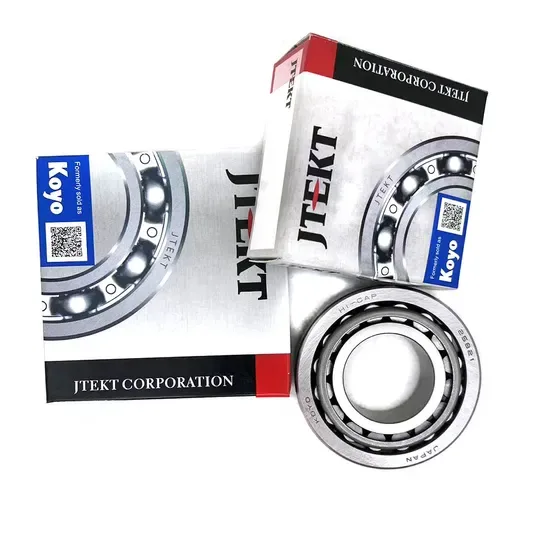 Installation & Maintenance
· 6 min read
Genuine Bearing Supplier for Garage Tools: Wholesale Bulk & MRO
Prevent premature failures with the right garage tools for bearing jobs by addressing installation errors rather than manufacturing defects. Learn systematic removal and pressing…
Read the Guide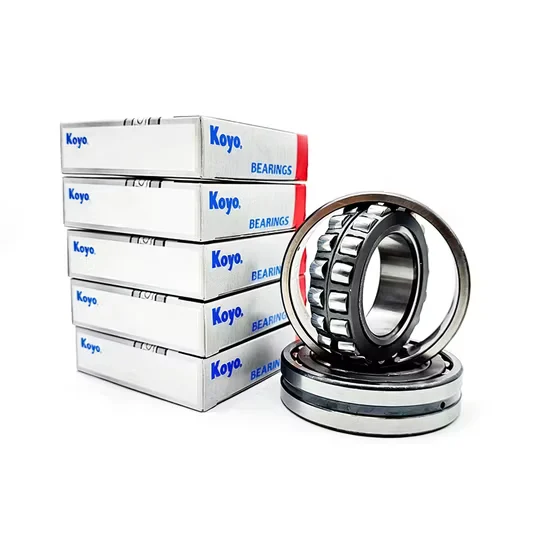 Installation & Maintenance
· 8 min read
Transmission Bearing Noise Diagnosis: Genuine Wholesale Supplier
Master transmission bearing noise diagnosis to distinguish installation errors from clearance defects in harsh environments. Use ultrasonic detection and spectral analysis to identify root…
Read the Guide
Bearing enquiry
Send your machine details. Get a written Koyo / JTEKT quote.
KOYO Bearing Supplier quotes a single bearing position or every bearing in an assembly on one enquiry, matched to your machine model and application, with model, quantity, price, lead time and quote validity in writing.
- WhatsApp+1 (702) 981-5880
- Emailinfo@koyoome.com
- Address8 Research Drive, Greenville, SC 20627, USA
"When a Koyo bearing failed on a harvest machine during the season, we needed a replacement urgently. The supplier identified the correct Koyo reference, shipped same-day, and the machine was back in the field within the day."

Request a Bearing Quote
Tell us the machine and the bearing position. Photos of the markings can follow on WhatsApp.